Small-Town Life, Big-Time Data: Why Your Email Deserves a Second Look
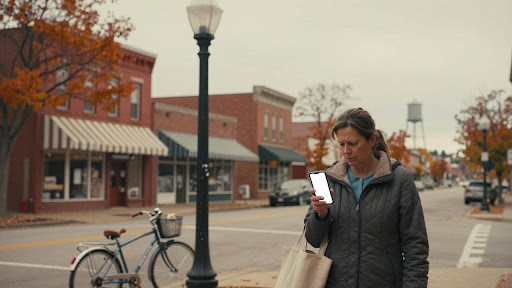
There’s a running joke in towns like Clinton that everybody knows everybody’s business, and to be fair, there’s truth in it. The pharmacist knows what prescriptions you refill, the guy at the hardware store knows you’re renovating the kitchen before you’ve told your sister, and the school secretary knew about the snow day before the district announced it. Small-town familiarity is mostly a warm thing: community woven from a thousand small knowledges, exchanged in person, governed by trust and tact.
What most people haven’t quite processed is that this same intimate picture of small-town life now exists in a second copy: digital, permanent and for sale. And unlike the pharmacist, who is bound by professional ethics and personal decency, the custodians of that second copy are advertising companies with shareholders.
The invisible ledger of a small life
Think about what your inbox actually knows about you. The email confirming your kid’s pediatric appointment in Flemington. The Little League registration. The utility e-statements. The school district’s bus route update. The receipt from the garden center, the booking for the anniversary dinner, the message from your accountant. Year over year, your inbox becomes the most complete diary of your household that exists anywhere.
Now consider where that diary lives. For most households, it sits inside a free account from one of a handful of giant providers whose business model is advertising, powered by understanding users intimately. It’s not that some intern is reading your messages about the church raffle. It’s that automated systems process correspondence and metadata, who contacts whom, when, about what, to build the profiles that make the advertising valuable. The Electronic Frontier Foundation’s Surveillance Self-Defense guide puts it bluntly: metadata alone maps a life with striking fidelity, no message contents required.
For small-town readers there’s a particular irony. We accept neighborly familiarity because it runs both directions and comes with accountability: the pharmacist knows you, but you know the pharmacist. Digital familiarity is entirely one-directional. The data brokers and ad networks know your household down to its rhythms, and you know nothing about them.
The small-town difference
Fewer alternatives, more online living. Local shopping options are thinner than in the metro corridors, so more of life happens online: orders, mail-order prescriptions, banking. That concentration means your inbox carries proportionally more of your household’s record than a city dweller’s does.
The everyone-knows-everyone effect cuts both ways. A hijacked email account, the classic first step in most account takeovers, since email is the password-reset hub for everything else, doesn’t just mean lost correspondence. It means the attacker can impersonate you to your actual community: neighbors, church members, the PTA list, local vendors who know and trust your name. The trust that makes Clinton work is precisely what a compromised inbox weaponises.
Aging parents on email. Small communities skew older, and older Americans are the primary targets of email-borne fraud: the Medicare scams, the fake grandchild emergencies, the phishing notes dressed up as utility shutoff warnings. These scams succeed on information asymmetry, and the FTC’s guide to recognising phishing is worth sharing with anyone in the family who’d rather not be the next target.
What a private email setup actually changes
The remedy is less dramatic than the problem. A private email provider, one built on privacy rather than advertising, changes the underlying economics. No ad model means no structural reason to examine correspondence. End-to-end encryption means stored messages are unreadable to the provider itself, so even a breach or a legal demand encounters nothing usable. The free tiers of such services are genuinely functional, with clear limits in place of covert costs.
Importantly, nothing changes for the people writing to you. Aunt Carol can still send her photos from her same old account; messages to and from conventional services arrive normally. The lock is on your side of the door, and visitors never notice it.
Migrating without the drama
Nobody in a town like this upends everything in a weekend, and email doesn’t need it either. Open the private account, move the sensitive stuff first, banking, medical, school, and let the old address wind down into a landing spot for retail newsletters. Forwarding handles the in-between. Within a few months, the important correspondence has quietly relocated.
While you’re at it, the basics compound: two-factor authentication on anything financial, unique passwords in a manager rather than the one memorable phrase reused everywhere, and a quick check on Have I Been Pwned to see whether your old address has already turned up in a breach. Privacy, like the rest of small-town life, works as a set of small habits maintained over time.
The charm of a place like Clinton is that privacy here still partly exists by mutual respect rather than by locks. But that arrangement only covers the people who live here. The systems digitising our correspondence have no part in the social contract; they know your household’s rhythms, and they’ve never even been to Hunterdon County. Moving to private email means extending the same discretion your neighbors practice in person to the companies that never earned it. Around here, that’s not paranoia. That’s just manners, translated.
Read more: Who Owns Your Business’s Web Address? A Check Every Clinton Shop Should Make
Read more: Who Will Take Over the Practice? Keeping Small-Town Healthcare Local
Read more: Shop Local Online: How Clinton Businesses Can Get Found in Local Search