New Jersey Passes Bill Banning Drunk Drone Flying
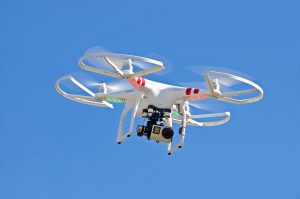 While laws regarding driving while under the influence of alcohol are common throughout the United States, New Jersey has officially taken the next step when it comes to operating machinery while drunk. A bill was recently passed that bans people from operating UAVs, commonly known as drones, while under the influence of alcohol or drugs.
The bill was signed by Gov. Chris Christie on his last day in office.
Like drunk-driving laws, the bill defines “under the influence” as having a blood-alcohol concentration of 0.08% or more. Additionally, the bill bans flying drones under the influence of “a narcotic, hallucinogenic, or habit-producing drug.”
With the U.S having the largest and most diverse general aviation community around the world, with over 220,000 aircraft like rotorcraft, balloons, and turbojets, it’s no surprise than seventeen states already passed drone-related legislation in 2017.
Penalties for this particular law include up to six months in prison and a $1,000 fine. Additionally, drones are not allowed to be operated near jails or prisons, used in a way that interferes with first responders, or used to hunt wildlife.
Other states that already have drone bans in place for prison facilities include Arizona, Louisiana, Nevada, North Carolina, Oregon, South Dakota, Tennessee, Texas, and Wisconsin.
Paul Sarlo, New Jersey Senator and author of this bill, told The Times, “There are many benefits for commercial and recreational purposes, but they can also pose threats to safety, security, and privacy. The technology has outpaced regulations.”
While the FAA originally predicted that there will be 7 million drones being used in the U.S. before 2020, drone sales reached $1 billion in 2017 for the first time ever. With the rapid increase in sales, more states are taking legislative action to prevent misuse of UAVs.
At least 38 states are planning restrictions on UAVs this legislative year, including Illinois, Maryland, Michigan, New Hampshire, New Jersey, New York, Pennsylvania, and South Carolina.
A 2015 drone crash on the White House lawn began an ongoing debate in the U.S. Congress over drone regulations.
The accident involved a drunken, off-duty employee of the National Geospatial-Intelligence Agency, who was flying the 2-foot-by-2-foot quadcopter and lost control of it over White House property.
Assemblywoman Annette Quijano of Elizabeth, New Jersey, was one of the supporters of the bill.
“Like any technology, drones have the ability to be used for good, but they also provide new opportunities for bad actors,” explained Quijano.
As the consumer drone market continues to grow, more government regulations will be added to ensure the safe use of these devices in the years to come.