Things to Consider Before Buying an Electric Car
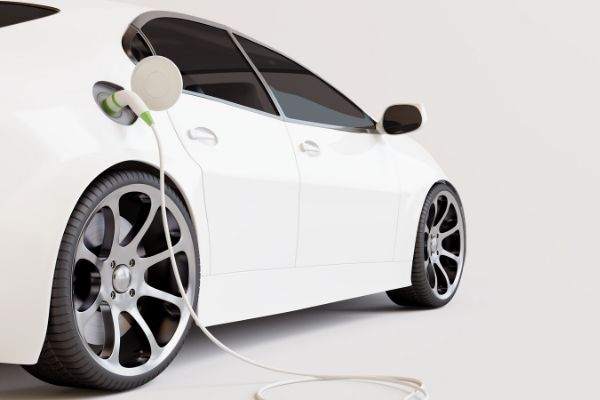
It seems like each day, another car manufacturer announces they’re coming out with a new electric model. How do you choose which electric car is right for you?
First, you’ll want to decipher the alphabet soup of acronyms used to describe the different types of electric vehicles:
- PHEV or HEV: These stand for “plug-in hybrid electric vehicle” or “hybrid electric vehicle.” Hybrids have been around for a while, so almost all the newer ones are the plug-in variety. This means the owner can charge the battery by plugging in to an outlet rather than relying on regenerative braking or the gas engine.
- EV or PEV: This means “electric vehicle” or “pure electric vehicle.” These are cars with no secondary fuel. They run purely on charged batteries.
- FCEV: This stands for “fuel cell electric vehicle.” These generate power from hydrogen, which acts as fuel, and emit only water.
Next, consider factors that apply to all these options:
- Range: How far can the car go on one charge? Will you use it for short commutes or long road trips?
- Infrastructure: Are charging stations available near your home or office? Will an outlet in your own garage do the trick?
Plug-in recharging can take anywhere from eight to 24 hours, depending on the voltage of the electric source. Your regular 110-volt outlet will charge the car, but it will take much longer than a specially installed 240-volt source. Fuel cells also need hydrogen, but there simply aren’t many places to fill up outside of limited markets such as Los Angeles and San Francisco.
PHEVs can still recharge themselves with regenerative braking and the gas engine. However, not having a charging station close by will hinder your ability to get the most out of your hybrid, and the car might not save you as much in gas as you had hoped. The range of a hybrid on a pure electric charge is still under 25 miles, but if you’ve got a short commute and a place to charge, a PHEV might be ok for you. You’ll be doing your part for reducing emissions, and the car will have enough juice to get you where you’re going.
Pure EVs have been expanding their range, and some models can go over 200 miles on a single charge. Access to recharging is still an issue, though—you don’t want to suffer “range anxiety” on a longer drive. Both hybrids and pure EVs cost more than gas-fueled cars, but those with smaller ranges are a bit cheaper. If you’re not anticipating long road trips, a well-maintained electric car may save you money in gas and maintenance over the years.
Buy or Lease?
Electric car technology is continuously evolving, and leasing is a hedge against obsolescence. With leasing, though, you’ll have a never-ending car payment, and there may be additional charges if you turn in the car at the end of your lease term with too much wear and tear.
Purchasing an electric vehicle, on the other hand, may make you eligible for a tax credit of up to $7,500. Check with your tax advisor to see if this would apply to your purchase before you close a deal on an electric vehicle.
Within a decade or so, it will be tough to find a new car that doesn’t feature some kind of electric power. Stay informed as the industry evolves so that you’ll know what to consider when buying a new electric car.