
Everyday Uses of Chromatography
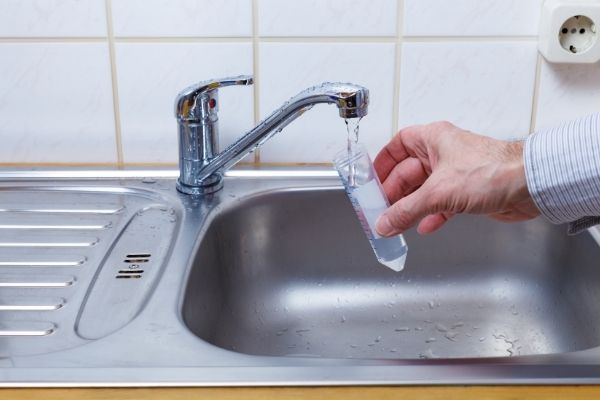
Chromatography impacts our lives every day through the products we use. Chromatography is a separation technique used to determine what components different items are made of. While we might not actively discuss chromatography’s role in our lives often, chromatography keeps us safe and informed daily.
Here are a few everyday uses of Chromatography you may not have been aware of.
Vaccine Testing
Chromatography helps determine which antibodies fight diseases and viruses. Scientists have used chromatography in the fight against the Ebola virus by determining which antibodies are best at fighting the virus. Likewise, scientists are now using chromatography to help identify and understand COVID-19 as well.
The development of vaccine management software has also helped to streamline the process of analyzing chromatography data, making it easier for researchers to make crucial decisions in a shorter amount of time. Healthcare professionals looking to enhance their vaccine protocols can click for vaccine management software and learn more about how it can benefit their work. Not only is chromatography used in vaccine development, but it also plays a vital role in ensuring the safety and efficacy of vaccines before they are released to the public.
Food Testing
When we grab a package of meat or a boxed item off the shelf of a grocery store, we usually don’t second guess the safety of the product. Chromatography plays a large role in getting food on the shelves. Through chromatography analysis, food manufacturers can determine the contents of the food item to accurately develop nutrition labels. Regulatory agencies can also use chromatography to ensure manufacturers are truthfully labeling their products, as with soda that’s labeled as sugar-free. They can also analyze processed meats to determine whether the contents use any unsafe ingredients.
Drug Testing
Chromatography can identify substances within the bloodstream. For this reason, it is widely used in sports to test athletes for performance-enhancing drugs. On a more local scale, chromatography is also used to administer drug tests to new hires in the working world.
Drinking-Water Testing
PFAS are harmful chemicals that exist in our drinking water due to industrial wastewater entering our water passages. PFAS take years to break down and can cause serious health complications such as liver and kidney damage. With the help of chromatography testing, scientists can detect PFAs in drinking water to determine if there are harmful levels of PFAS present.
Vaccine, food, drug, and water testing are a few everyday uses of chromatography testing that keep us safe.





cool