The Different Types of Industrial Pipelines
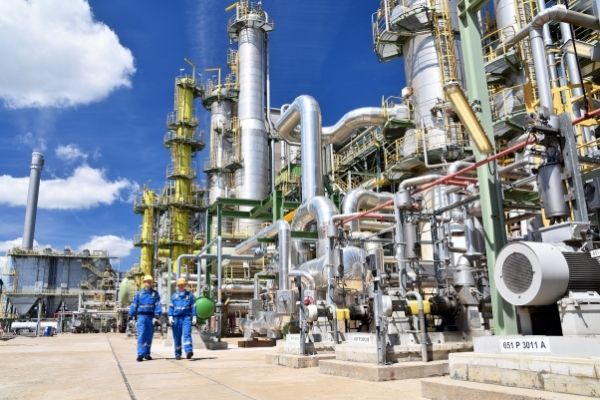
Industrial pipelines play a vital role in our city’s infrastructure. Without them, oil and gas companies can’t deliver the products we need to fuel our cars or warm our homes. For many people, though, the pipeline system remains a mystery. How exactly do companies transport oil, natural gas, and other resources from mining sites to residential communities? The process involves many different types of industrial pipelines working together to gather and distribute products. Learn more about these pipelines and how they work with this overview.
Flowline
The process starts with flowlines. These pipes move raw product from the wellhead of a mining site to the collection pipelines, kicking off the distribution process. In a large oil field or other mining site, flowlines connect multiple wells to a manifold—a system of pipes and valves, often sourced from specialized valve supply companies, that will then distribute the product to various pipelines.
Keeping the system in good condition for optimal performance requires regular maintenance and timely repairs. You can buy compressor valve repair kits that help ensure the valves function efficiently, preventing costly breakdowns and production delays. These kits contain essential components designed to replace worn-out parts, maintaining the integrity of the distribution process. By investing in high-quality repair kits and routine inspections, companies can extend the lifespan of their equipment and avoid unexpected operational setbacks.
Collection Pipelines
Flowlines feed into collection or gathering pipelines. These pipes transport products from the mining site to processing plants or storage tanks, where they undergo the next step of the distribution process. As such, collection pipelines usually carry unprocessed products such as crude oil, natural gas, or natural gas liquids like propane, ethane, or butane. These pipelines are also relatively short and small compared to other pipes in the process.
Transmission Pipelines
Transmission pipelines carry natural gas, natural gas liquids, crude oil, and refined products. This part of the pipeline is responsible for transporting these products across great distances—even across continents—to get from production facilities to distribution centers. As such, transmission pipelines consist of some of the largest pipes in the process. They can also operate at extremely high pressures as they move products across the country. Unfortunately, this also means that transmission pipelines are more likely to suffer from corrosion, cracks, or other damage. That’s why it’s crucial for oil and gas companies to use the right pipe plugs, testing equipment, and other tools to perform routine inspections and maintenance on their pipelines. Pigging oil and gas pipelines is a common maintenance practice that helps to ensure efficiency and safety in the transportation process.
Distribution Pipelines
The last of the different types of industrial pipelines are distribution pipelines, which carry natural gas from distribution centers to nearby communities. Distribution pipelines are what power homes and businesses across the world. This part of the network consists of main lines and service lines. Main lines act as a step between high-pressure transmission lines and smaller, lower-pressure service lines. After the main lines, the natural gas product goes through service lines that connect to individual meters to reach customers.
Conclusion
How often do we stop to consider the invisible networks that keep our modern world running smoothly? Industrial pipelines, though largely unseen, are an essential part of our daily lives, transporting vital resources across vast distances to ensure our homes, businesses, and industries operate efficiently. Each type of pipeline—flowlines, collection pipelines, transmission pipelines, and distribution pipelines—plays a specific role in a carefully coordinated process. Together, they form a complex and indispensable system that connects extraction sites to end users, powering everything from transportation to home heating.
Understanding these pipeline types sheds light on the intricate mechanisms that support the energy infrastructure we often take for granted. While the system is efficient, it also requires rigorous maintenance and innovation to ensure safety and reliability. As technology evolves, so too will the methods and materials used in pipeline construction and maintenance, paving the way for a more sustainable and resilient future. By appreciating the sophistication of industrial pipelines, we gain a deeper understanding of the critical role they play in modern society and the ongoing efforts required to keep them functioning effectively.