How to Pre-Check Your Heating System Before the First Freeze
Cold winter weather can arrive unexpectedly and cause major problems for unprepared homeowners. Checking your heating equipment before freezing temperatures hit protects your property from severe structural damage.
A few basic preventative measures keep your living spaces warm and comfortable during the coldest months of the year. Taking time to look over your setup now saves money on emergency repairs later.
The Importance Of Early System Verification
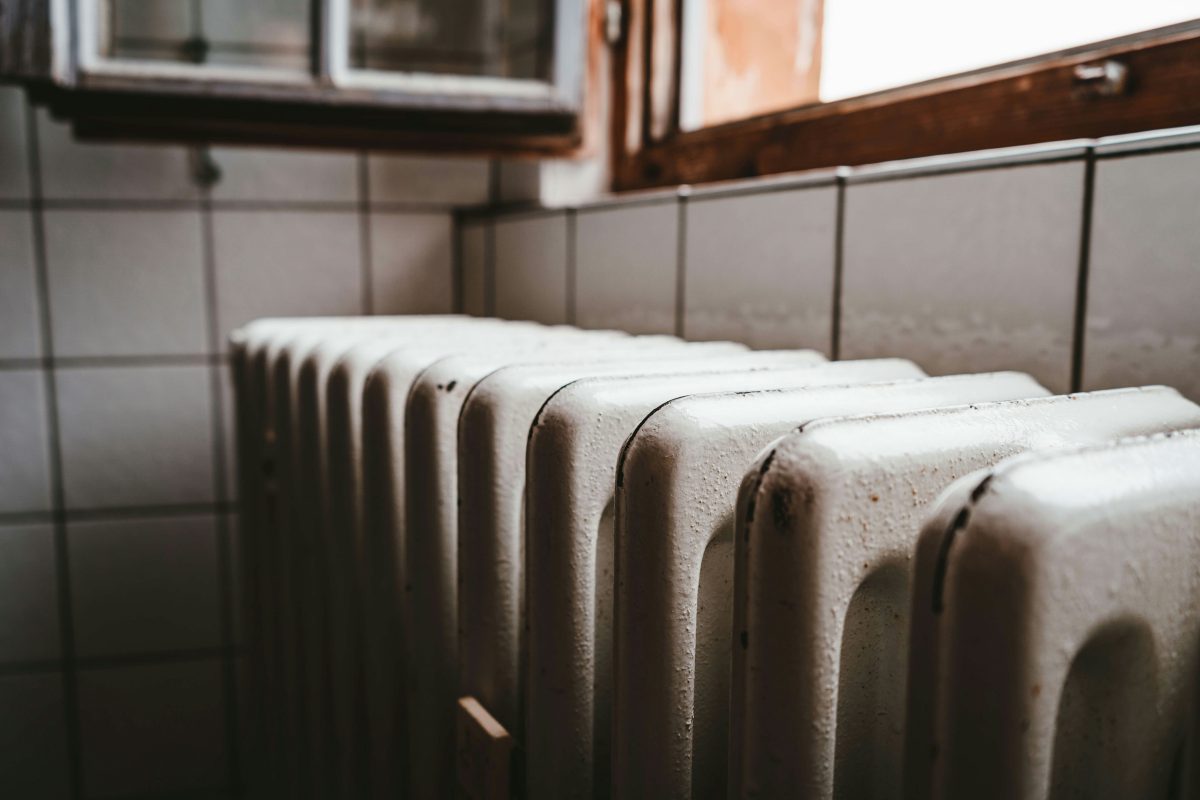
Homeowners often overlook basic system maintenance until regional temperatures drop below freezing. Scheduling professional heating services before winter arrives helps prevent sudden breakdowns during major cold snaps. Taking care of these mechanical needs early gives your household peace of mind.
Waiting until a major freeze happens makes finding an available technician extremely difficult. Early autumn inspections identify hidden component issues before they turn into costly middle-of-the-night emergencies.
Technicians can replace worn parts easily when demand for emergency assistance remains low.
Proactive maintenance extends the operational lifespan of your furnace or heat pump. Skipping annual checkups allows tiny performance issues to grow into catastrophic mechanical failures. Small investments in care keep your equipment running smoothly for many years.
Testing Your Thermostat Settings
Testing your control panel represents a simple first step in the winter preparation process. A regional housing blog recommends switching your thermostat to the heat setting and letting the unit run for 15 minutes to confirm operations.
Listen closely for strange rattling or squealing noises during this initial testing window. Unusual sounds frequently point to loose belts or failing motor components inside the main machinery.
Catching these auditory warning signs early prevents sudden system shutdowns when a freeze hits.
Verify that the actual room temperature matches the number displayed on your digital screen. Faulty sensors cause units to run constantly or cycle off too quickly. Correcting calibration errors keeps your indoor environment stable and comfortable.
Cleaning Air Filters And Surrounding Areas
Heavy airflow restrictions put immense extra strain on your mechanical components. Clearing away thick layers of dust improves air quality throughout your living spaces.
Maintaining clear physical spaces around your equipment helps systems operate safely without overheating.
- Replace standard air filters every 3 months to prevent heavy dust accumulation.
- Remove cardboard boxes or holiday clutter stored near the furnace cabinet.
- Keep all return registers completely open to maintain proper internal airflow pressure.
- Clean the immediate floor area to stop loose dirt from entering the blower fan.
Clogged filters force the system to burn more fuel to heat the same amount of space. This extra work shortens the lifespan of critical internal parts like the heat exchanger. Clean pathways allow warm air to move freely into every room.
Inspecting Vents And Safety Systems
Blockages in your ventilation lines create serious health hazards for everyone inside the home. A national public health protection agency recommends having your furnace system and vent checked by a qualified technician every winter.
Regular professional checks confirm that dangerous combustion gases leave the property safely.
Carbon monoxide detectors require fresh batteries to protect residents from invisible threats. Test these safety alarms monthly to confirm the internal sirens function correctly. Placing detectors near sleeping areas provides an extra layer of protection during winter nights.
External vents can become blocked by fallen leaves, bird nests, or blowing debris. Blocked exhaust paths force dangerous fumes back into your living room. Walking around the exterior of your house allows you to spot these hazards quickly.
Monitoring Home Energy Consumption
Neglected heating systems work much harder to maintain comfortable indoor temperatures. Statistics from a national energy department show that poorly maintained heat pumps consume 10% to 25% more power than clean units.
Keeping internal components pristine directly reduces monthly utility bills during high-demand winter periods.
Lower electricity bills reflect healthy mechanical performance and proper system lubrication. Spending a small amount of effort on seasonal efficiency saves substantial amounts of money over the winter. Well-maintained units draw less current and deliver superior heating power.
Monitor your utility accounts closely for sudden, unexplained spikes in consumption. A drastic leap in energy use often indicates a failing heating element or a broken compressor valve. Tracking these numbers helps you detect system decline before total breakdown occurs.
Preparing Backup Warmth Options
Severe winter storms sometimes cause prolonged electrical grid power outages. Having alternative methods to keep warm prevents interior water pipes from freezing when the main system loses power.
Stocking up on thick blankets and heavy winter clothing protects your family during unexpected utility disruptions.
Keep emergency supplies in an easily accessible location known to everyone in the household. Safe portable heaters provide temporary comfort if you possess a compatible generator setup. Preparing for worst-case scenarios keeps your family safe during extreme weather events.
Insulating exposed water pipes in crawlspaces provides critical protection when indoor temperatures plunge.
Simple foam sleeves stop standing water from turning into ice and bursting your plumbing lines. Taking these extra precautions saves homeowners thousands of dollars in water damage repairs.
Storing extra firewood proves helpful if your home features a traditional fireplace. Maintaining an alternative heat source guards against extreme temperature drops during grid failures. These simple preparations keep your living environment livable under tough conditions.
Getting your home ready for freezing conditions takes very little time. Reviewing your equipment now prevents major structural headaches when severe winter weather hits your area.
Simple preventative inspections protect your annual budget from expensive emergency contractor call fees. Start your winter preparations today to keep your household warm all season long.
Read more: How AC Installation Helps Maintain Ideal Indoor Temperatures
Read more: How to Choose Between an Electric and a Gas Heating System
Read more: Why Is Your Heating System Blowing Cold Air, and How Can You Fix It?