7 LIFE-SAVING MOTORCYCLE SAFETY TIPS
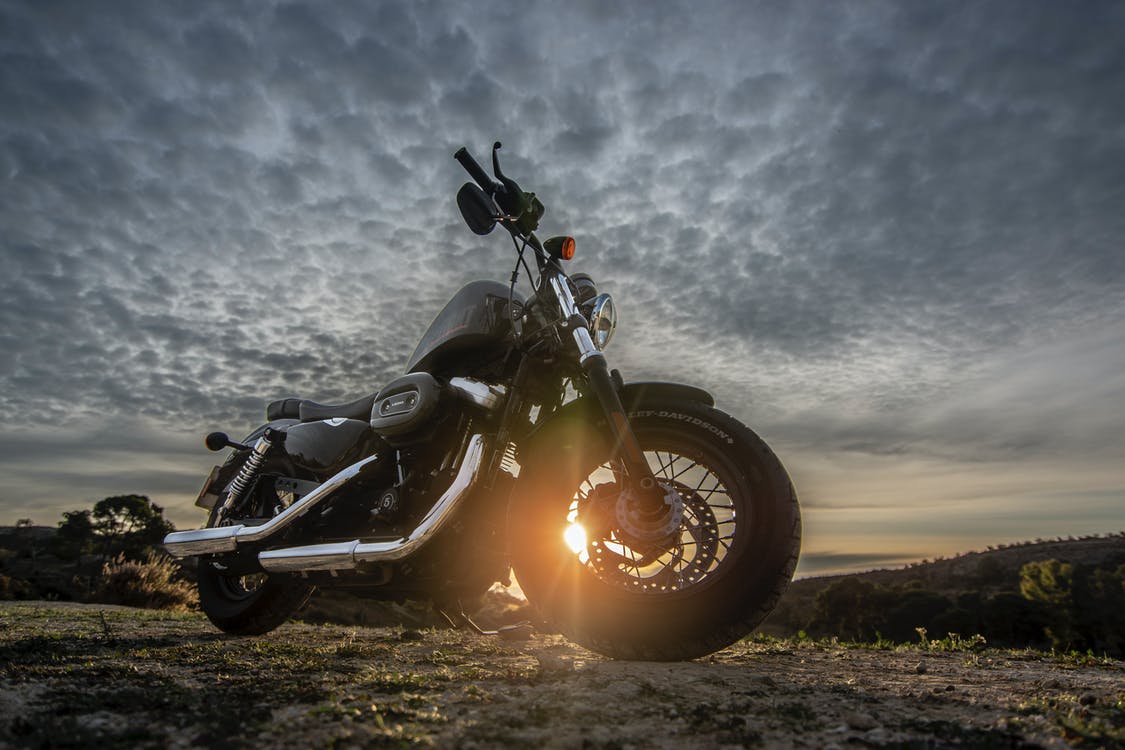
On the road, the position of a motorcyclist is one of vulnerability. Most of the surrounding vehicles are sturdy passenger cars and heavy trucks that are traveling at high speeds.
Given the lack of protection, it’s no wonder that motorcycle injuries are among some of the most life-altering ones. There are even minor motorcycle injuries that can become serious.
To avoid accidents and injuries, it’s important for every motorcyclist to employ a handful of road safety practices. Here are seven different motorcycle safety tips that could very well end up preserving your life!
1. Check the forecast
Not all conditions are ideal for riding your motorcycle; and better than anyone, you know your limitations when it comes to poor weather. Snow, heavy rain, or even heavy winds can quickly become the catalyst for a life-threatening accident.
Check the forecast before you hit the road—including all hours when you’ll be riding—as weather can change drastically throughout the day. The last thing you want is to get caught in inclement weather that you weren’t anticipating.
2. Inspect your motorcycle before riding
Whenever you plan to take your motorcycle out, be sure to check all of the important components that contribute to safe riding. One thing every how to avoid motorcycle accidents guide will have is advice on staying alert to changing road conditions and recognizing potential hazards before they become a problem. This kind of awareness can help riders make safer decisions and reduce the risk of unexpected incidents.
Are both of your tires in good condition? Are all of your lights in working order? Is your motorcycle topped off with all of the necessary fluids? Are your brakes working properly?
You can track each of these elements more easily by creating a short checklist and confirming each item before leaving your driveway!
3. Make sure you’re well-rested
Just as you should confirm that your motorcycle is in safe riding condition before going out, you should also make sure that your body is well-rested.
On the road, it only takes a short lapse in concentration to make you highly vulnerable. Prior to when you plan to ride, it’s important that you get a full night’s sleep; and during the ride itself, pull over to rest if you start to feel tired.
4. Wear a full-face helmet
Always wear a helmet whenever you go riding—no exceptions Helmets reduce the risk of head injury in motorcycle accidents by 69%.
While it may be tempting to leave your helmet at home if you’re only making a run to the shop around the corner, keep in mind that accidents often occur during these shorter trips.
As for the type of helmet you should be wearing, invest in a full-face helmet—complete with a face shield.
This will provide protection for areas that other helmets tend to neglect, such as the chin. While a full-face helmet might feel hot during the summer months, the added protection it offers is well worth this minor inconvenience.
5. Wear protective gear
Similarly, you should always make sure you’re wearing a full set of protective gear whenever you ride your motorcycle.
In the event of a collision, you’re highly likely to skid across the pavement—in which case, you’ll want to ensure that all areas of your body are covered with enough padding to help lessen the impact.
At a minimum, you’ll need an armored jacket, pants, boots, gloves, and a helmet. The use of armored motorcycle boots alone reduces the risk of an open-wound foot injury by 90%.
Also, consider wearing light, reflective colors that not only make you more visible on the road but also make the summer heat more bearable.
6. Follow the rules of the road
Although your motorcycle looks and operates differently than other vehicles, you’re still subject to the same set of traffic rules. For the sake of your own safety, it’s critical that you abide by them.
Many motorcyclists travel between lanes and exceed the speed limit, putting their lives at risk in the process. In fact, 32% of all fatal motorcycle accidents are due to speeding—higher than any other type of vehicle.
If you want to avoid both a collision and a ticket, practice the rules of the road and know that you’re not exempt from following them.
7. Ride defensively
It’s fairly easy to spot an 18-wheeler on the road and avoid a collision. But a motorcycle isn’t nearly as visible.
Drivers and passengers are also equipped with a certain amount of protection, thanks to the large metal frames that surround them. Motorcyclists aren’t afforded that same protection.
For this reason, you should employ defensive riding habits at all times. By assuming that other drivers don’t see you, you’ll think twice before attempting a risky maneuver—and as a result, you’ll avoid a slew of dangerous situations.