4 Things You Should Know Before Becoming a Disc Jockey

At first, becoming a Disc Jockey sounds like an easy way to make a lot of money. How hard could it be to entertain people with music?
The answer is that it’s a lot harder than you think. A Disc Jockey is not a human iTunes put-on shuffle. As a DJ, you’ll have to know how to transition from one song to another in a way that takes the crowd on a musical journey. Want to know what else being a Disc Jockey is like? Here are 4 things you should know before you become a disc jockey.
You’ll Spend Money On Equipment
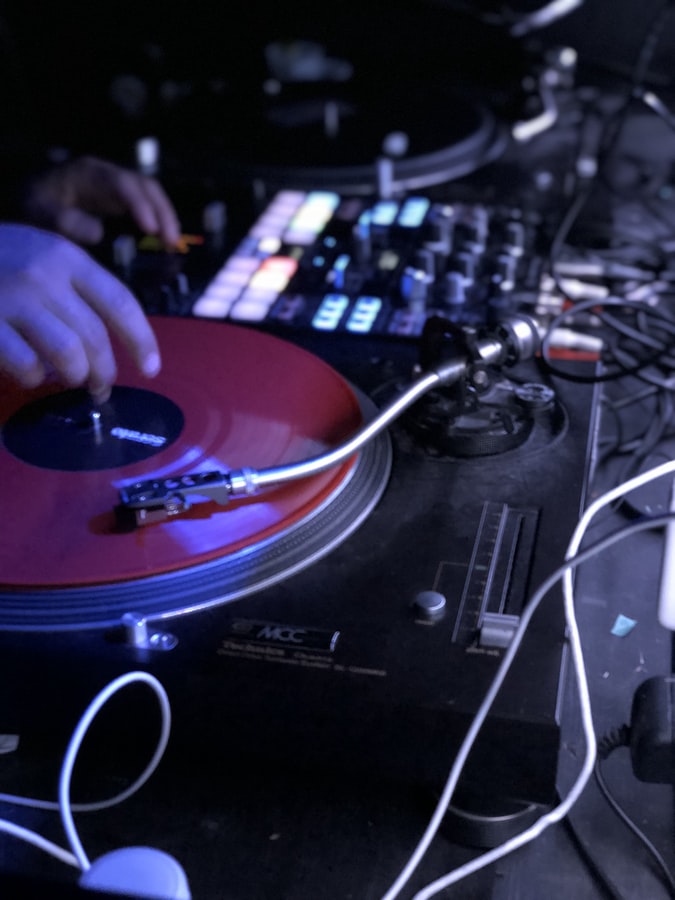
Did you think you could just start with your phone by creating a playlist? Well, think again. A DJ is only as good as their equipment. If you want to deejay professionally you’ll need to get your own stuff. Here’s an idea of some of the equipment you’ll need:
DJ Turntables
DJ turntables are what you’ll use to scratch, physically cue albums, single tracks, or LPs up, so you definitely need one. It’s an essential gear whether you want to use vinyl or CD and you need at least one. Additionally, DJ booth designs often consider the placement and integration of turntables to ensure they are easily accessible and functional. A well-thought-out booth design can enhance performance by providing a more ergonomic setup and organized workspace.
Ideally, getting two turntables will be better for you than having only one.
DJ Mixers
A mixer, depending on the model you choose, lets you:
- Make smooth transitions between tracks
- Scratch properly using the slider
- Make mashups with your tracks
- Control levels, panning, and FX
- Hook up your speakers, headphones, or laptop
DJ Headphones
You’ll need good quality DJ headphones for a variety of reasons. Including:
- They allow you to hear music independently so that you can make the best transitions
- You can mix music and practice sets before gigs anywhere without disturbing people. On the train, in your bedroom, or at a cafe.
There Are Different Types of DJs
Because of the broad nature of deejaying there are different types of DJs.
Club DJs
The club DJ’s job is to maintain a moving dance floor. Every club has a different atmosphere and audience so a club DJ has to know the right music selections and transitions to keep the crowd going.
Mobile DJs
A fairly new trend of DJs is mobile DJs. Typically found at weddings, corporate events, or proms, mobile DJs often need to be comfortable with talking at length to the crowd and taking music requests.
Radio DJs
This is where it all started. From DJs who play song requests between announcements to the ones who curate entire playlists for the airwaves.
Performance DJs
These are exhibitionist DJs with elaborate sets consisting of tricky transitions and clever displays. They’re also known as Turntable DJs.
Basic DJ Skills
If you’re serious about becoming a DJ you’ll need to learn some specific skills. Such as:
Beatmatching
The process of synchronizing the beats of two separate songs. Sometimes referred to as “time-stretching”, beatmatching involves manipulating the tempo and phase of different songs so that they blend.
This way, one song naturally transitions into another and you can maintain a steady flow to keep the crowd entertained.
Phrasing
Because you’ll be mixing a lot of songs you need to learn phrasing. Phrasing is mixing at a point in the songs that keep the songs in sync.
When you learn this, you’ll be aware of the beats per bar of a song, so that when you add a second one you layer it in such a way that it doesn’t start on the first beat when the first song is on the third beat.
EQing
Equalizing is knowing how to adjust the frequencies of a song (how high or low the song sounds when it reaches the ears) of two tracks so that they fuse in a complementary way.
EQing is what will give your mix an overall clearer sound so that your audience can pick out individual components of the tracks. Basically, it’ll stop your mixes from sounding like random noise.
Don’t Quit Your Day Job
Don’t quit your day job just yet. When you start out, you won’t make a livable wage from djing. You’ll first need to build a reputation and a brand.
You’ll have to play several gigs for free or accept as little as 50 dollars a night for the exposure. This is because as a beginner it’s more important to establish relationships and build connections with club owners, event organizers, and other DJs.
You’ll also need to gather a loyal following. Fans will come out to see your sets or buy your mixes because cultivating a fan base is the only way your career will grow. This means you’ll start to earn some real money when club owners and event organizers know that people will pay to see you.
A career as a DJ is not all partying till dawn and shuffling music. It takes dedication and serious hard work and many DJs don’t get where they want to be until years of playing minor gigs.