Is Mississippi the Cheapest State To Live?
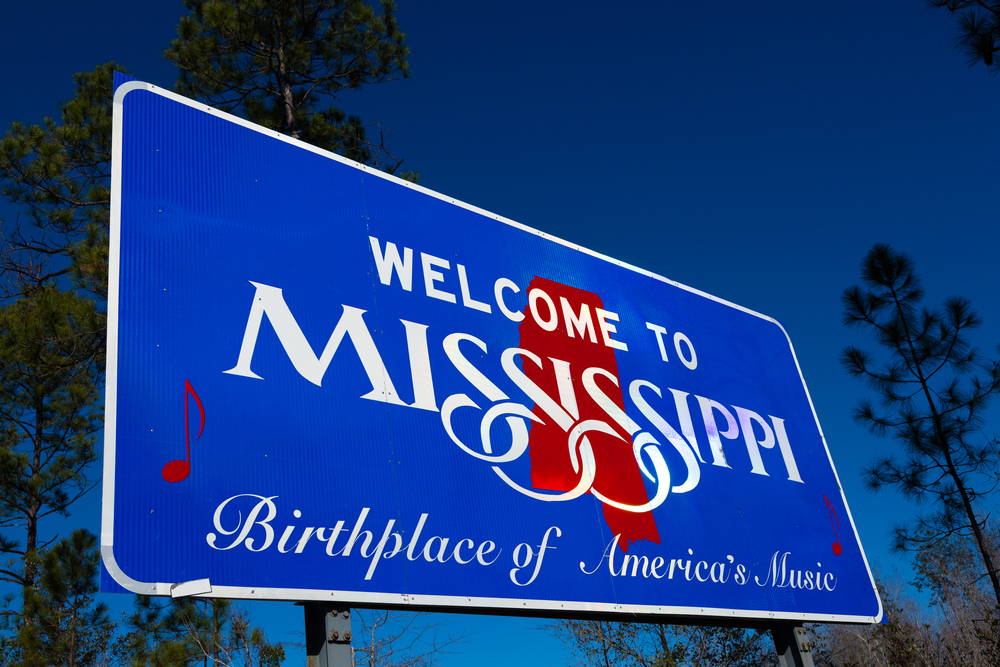
Welcome to Mississippi road sign with a blue sky background
Concerns about the cost of living started for some people at the beginning of the pandemic. People could increasingly work remotely, so they started thinking about moving to lower-cost states where they could get more bang for their buck.
According to a recent CNBC study, Mississippi has been ranked as the cheapest state in the country to live in. The cost of living is something that’s at the top of many people’s minds. The economy is slowing down, inflation is soaring, and interest rates are rising.
Of course, there will be some exceptions. For example, the average cost of Mississippi car insurance is $1,584 per year, compared to the national average of $1,311, but these exceptions tend to be few and far between.
The following are things to know about the cost of living in Mississippi and whether it really is the cheapest state.
The CNBC Study
According to CNBC, inflation is everywhere, and it’s affecting essentially everything we buy. The prices of goods and services continue rising at rates not seen in four decades. CNBC recently conducted its annual “America’s Top States for Business” study and included the cost of living in its formula for ranking states.
Based on data from CNBC, Mississippi gets an A+ for the cost of living, scoring 50 out of 50 possible points.
The study said that if you wanted to buy a house or rent an apartment in Meridian, Mississippi, for example, you could pay around half of what you’d pay in Bozeman, Montana.
A pizza would cost you 25% less than it would in Rochester, New York, and visiting the doctor would cost half of what it would in Manchester, New Hampshire. A half gallon of milk would be just over $2 right now, and your average monthly energy bill would be just under $161 if you were to call Mississippi home.
The second-cheapest state, according to CNBC, is Kansas, with a cost of living score of 48 of 50 points, and third of the cheapest states on the list is Georgia.
Cost of Living Differences
When looking at the cost of living, what’s being talked about are the costs required to cover needs like food, healthcare, housing, and transportation. The cost of living can vary throughout the country, and it’s usually higher in urban areas. The lowest costs of living in the U.S. tend to be in the south and central areas.
Housing is one of the main drivers of the cost of living. If you were to rent a one-bedroom in a lot of parts of Mississippi, for example, you might pay around $500, whereas a comparable property in New York City could be upwards of $3,260 a month.
Americans spend around 35% of their budget on housing, so the lowest housing costs in the country equate to the states with the lowest costs of living.
There is a cost-of-living index that measures the relative cost of living across states, using the national average for price comparisons.
The national average for every index is 100, so if an individual index were to be 90, that would mean the prices are lower by 10% than the national average.
To go back to Mississippi, the cost-of-living index is 83.3. For groceries, it’s 92.2. and housing is well below the average at 66.3.
Utilities are 90.4, transportation 86.7, healthcare 94.7, and miscellaneous expenses come in at 90.
Since the cost-of-living index is 83.3 overall, expenses for people in Mississippi are almost 17% lower than the national average. Housing costs are the lowest in the country, with the price for a single-family home coming in at a median of $140,818.
While Mississippi may be cheap, the median income for a family of four is just $70,656, but the living wage for a family of four in the state is $80,523. Since there’s such a gap between the needs of people in the state and their wages, they also have the highest poverty rate in the country. Around 20% of people in Mississippi live at or below the poverty level.
The cost of living monthly for one person is, on average, $1,752, and for a family of four, it’s $4,037 a month.
While the cost of living exceeds many people’s income in the state, again, with the growth of remote jobs, it’s possible that more people in states that typically see low wages could get positions with higher earnings, which they wouldn’t otherwise have access to unless they moved to a larger city.
Read more: Planning a Move to Mississippi – What You Need to Know
Read more: Tips for Traveling on a Budget
Read more: Tips to pack for moving and relocation