Is kratom safe? Effects and Benefits
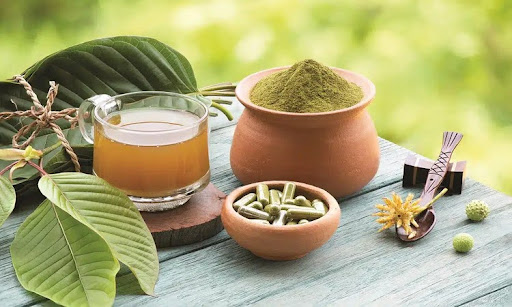
Kratom, the tree from the Rubiaceae family native to Southeastern Asia, has recently become rather popular because of its positive effects and possible medical applications. Based on the outcome and advantages, the question of whether kratom is safe or not is at the forefront of the article.
What is kratom, is it safe, and what are some of the uses of the plant, including mood enhancement, focus, sleep, energy, chronic pain relief, anxiety, and stress? Besides, we will cover possible side effects, various types of kratom, the ideal amount to be consumed, and the consequences of overdosing.
By understanding these aspects, we aim to provide a comprehensive overview of kratom and answer the crucial question: is kratom legal?
What is Kratom?
Kratom, scientifically known as Mitragyna speciosa, is a tree that grows in Southeast Asia, such as Thailand, Malaysia, and Indonesia. Throughout the years, the populations have employed the leaves of the kratom tree for their stimulant effects and for alleviating pain.
Mitragyna speciosa leaves contain alkaloids that act on the opioid receptors located in the brain; these are mitragynine and 7-hydroxymitragynine. Kratom may be marketed in various forms for its opioid-like effects at higher doses, while at lower doses, it is known to have stimulating properties that enhance energy levels.
It has both analgesic and sedative actions in higher concentrations, relieving pain and relaxation. Consumed in the form of powder, capsules, extracts, and tea, kratom, including White Bali Kratom Strain, has been successfully marketed in some Western countries for its possible medicinal value and as a substitute for conventional analgesics for patients afflicted with chronic pain.
Is kratom Safe to Use?
Although there is currently a lot of controversy surrounding the use of kratom, it is widely believed to be relatively safe. As for the advantages, it may include pain relief, reduction of anxiety, and increased focus, the issues related to its safety.
Some of the effects of kratom are moderate; hence, for most users, the product is comparatively safe when used properly. Nonetheless, it is a relatively safe supplement, which is subject to dosage, frequency of intake, and the overall health condition of the user.
Potential Risks:
The side effects that have been attributed to regular use of kratom, as well as high dosage use, include Nausea, dizziness, constipation, and recurrent dehydration. The following are the possible consequences of long-term use: dependency, tolerance, and withdrawal symptoms that are almost similar to those seen in opioid drugs.
Interactions with Other Substances:
Kratom has been found to have an interaction with other drugs and substances in the body, thus causing toxicity. Compared to Kratom alone, the effect of combined use of alcohol or other depressants is much more hazardous as this leads to respiratory depressants and other effects.
Quality and Contamination:
The safety of kratom is also determined by the product’s quality and the dosage used. Kratom that has been processed inadequately or even contaminated is a clear danger to users’ health. One should also avoid buying kratom from street vendors or flea markets because likely the product was not tested for impurities, including heavy metals, pesticides, and bacteria.
Legal and Regulatory Concerns:
Kratom has legal or statutory restrictions in many countries due to its effects, which are reported to be legal or otherwise legal in other parts or countries. Due to its safety issues, some countries and states have even banned its use, although there are others who only regulate its use.
Medical Advice:
Before undertaking the use of kratom, it is recommended that one seek the advice of a healthcare provider, especially if the individual has other health problems or he /she is on other medications. A doctor, nurse, or other medical personnel can explain the correct manner of use, possible side effects, and dosages specific to the patient.
Benefits of kratom
Improved Focus
Kratom is known to help improve focus and concentration, which is one of its many benefits. As for the stimulating effects, it appears that lower doses have a positive impact on the user by enhancing their energy, attentiveness, and mental processes.
Sleep Aid
Kratom can be used for sedative and soporific purposes. In high doses, it is used to treat insomnia disorders because it calms down the nerves and leads to relaxation and better sleep. People who have sleep disorders, specifically insomnia, use kratom to begin with sleeping and gain without interruptions all night long.
Enhanced Energy
Another great advantage of using kratom is that for those in need of a little kick-start to the afternoon, the herb is beneficial. Some chemical compounds in the kratom act as stimulants, making the user feel much more energetic than he used to feel, like the effect caused by caffeine but not followed by jitters.
This can be advantageous because everyone, in one way or another, needs some encouragement to carry on with the day’s work or engage in several exercises or activities.
Mood Improvement
kratom has always been viewed as a mood-boosting product among enthusiasts of the plant. This substance positively affects users, and many report feelings of happiness and overall well-being after taking kratom. Indeed, this effect is especially rather helpful to people who are suffering from mood disorders, depression or have stressful conditions.
The alkaloids in kratom act in harmony with the opioid receptors in the brain, producing feelings of happiness and mental health.
Pain Relief
Kratom contains a specific compound that is used mostly in treating pain, among other ailments. Kratom is also known to contain substances that perform an opioid-like activity on the body, and it hence has analgesic properties. This makes it an appealing substitute for the typical painkiller, and when in chronic pain, arthritis, or muscle pain, the herb does wonders.
Anxiety and Stress Reduction
It can be used to reduce anxiety and stress. Nonetheless, it is best for those who suffer from anxiety disorders or those who work under immense pressure, as it helps lower anxiety. Depending on the effects of the specific kratom strain being used, its uses can include stress and nervousness relief, which would improve the lives of many individuals.
Potential Side effects of kratom
Nausea
This side effect is considered to be one of the most common ones associated with the use of kratom. It is common with beginners, occasional users, or those who take high doses at a time. This is because it contains alkaloids that will lead to some intestinal distress, including feelings of nausea and vomiting. This side effect can be managed by beginning with a small dose of the medication and then steadily raising it progressively.
Itchiness
Another issue that users often report is itching, which is characterized by a feeling of pins and needles. Also, as noted by a few users, some of the side effects of kratom are that it can cause mild to moderate itching. This may be attributed to the effects of histamine release by nutrients in the kratom strain. This side effect is normally not serious but can become mildly unpleasant and thus could cause some users to quit using the product.
Feeling Sweaty
Excessive sweating is among the problems that a number of people who take kratom may encounter. This can be due to the stimulating impact of kratom, as it can increase body temperature and also cause sweating. As with most common colds, it is not dangerous, but it can be irritating, especially when present at a business meeting, interview, or social gathering.
Dry Mouth
Another side effect of kratom is dry mouth, which is also referred to as cottonmouth, among other names. Some of the alkaloids found in kratom reduce saliva secretion, meaning that when people use the plant, they will develop a dry sensation on their tongue. As a result, this condition may be eased, and increased water intake and adequate hydration are beneficial.
Different Types of Kratom
Kratom is known for its types of strains, each offering unique effects. Here’s a look at some of the most popular types of Kratom:
Maeng Da Kratom
Maeng Da is one of the most powerful and famous kratom strains, and many consumers adore it. It originates from Thailand and is popular for containing a higher level of alkaloids that offer more energy boost and relief from pain. People prefer Maeng Da since it assists with alertness, a feeling of well-being, and a burst of energy in the afternoon.
Borneo Kratom
Borneo kratom, derived from the Borneo island, is known to possess great sleep-inducing and pain-relieving abilities. It is most useful in providing relief for pain and stress and helping one relax. Borneo kratom comes in red, green, and white cultivars, and each variant has minimally differing effects, ranging from sedation to moderate energy boost.
Bali Kratom
Bali kratom is another favorite; a balanced composition characterizes it. Derived from the plant that is native to regions of Indonesia, the spirits are primarily employed in cases of pain, for sleeping, and for a modest lift. As it is described, the Bali kratom is one of the most universal strains that can be recommended to both beginners and those people who already have experience in using kratom. Its effects, however, are mostly significantly less pronounced, which is why it can be recommended to people who want to avoid a highly intensive program.
Malay Kratom
Malay kratom or Malaysian kratom is famous for pleasure and long-lasting effects, and the positive effects exceed those of other types. It has been observed to give a slow, sustained uplift in energy and concentration, along with a slight improvement in mood and a reduction in pain. Green Malay is more famous for its effects, which make users work harder and feel better generally, but it does not have the side effects of other over-stimulating strains.
Trainwreck Kratom
Trainwreck kratom is a unique blend of multiple strains, creating a full-spectrum effect. It combines the benefits of several kratom types, offering a comprehensive experience. Users often choose Trainwreck for its potent and balanced effects, which include enhanced energy, mood elevation, and significant pain relief. This blend is ideal for those seeking a robust and multifaceted kratom experience.
What Is the Recommended Dosage of Kratom?
Figuring out how much to take is important because it will bring out the best results while avoiding adverse side effects. The dosage recommendation for beginners is rather low – from 1 to 2 grams is recommended. This, in turn, enables the users to acquaint themselves with the impacts of kratom on the body, hence minimizing the possible negative impacts.
For moderate users, a dose of 3 to 5 grams typically provides desired effects such as mild pain relief, increased energy, and enhanced mood. This range is suitable for those who have some experience with kratom and are looking to manage symptoms without overwhelming their system.
For new users, side effects are likely to occur at low doses of 2-3 grams, while experienced users can take up to 5-8 grams to feel chronic pain relief, sedation, or euphoria. However, care must be taken concerning the quantities of the supplements to be consumed since higher quantities may lead to tolerance, dependence, and other side effects.
They are useful when taken in higher doses but should only be used in such dosages occasionally to prevent the body from developing dependency on kratom.
Still, other considerations determine the dosage, such as the user’s weight, metabolism, and the strain of the kratom, among others. For instance, there are strains such as Maeng Da which producers use in preparing concentrated dosages that may be used in small portions in comparison to relaxed strains such as Bali. However, users should also ensure that they do not overuse it so as to avoid getting affected by tolerance and dependence factors.
Can You Overdosae on Kratom?
Yes, one can overdose on kratom, but these incidents are rather rare and they often involve cases where the users combined the substance with other substances. Regarding side effects and health risks associated with overdosing on kratom, it is dangerous to take higher doses of this herb, thereby experiencing the worst impacts.
Excessive use of kratom leads to some side effects, such as drowsiness, vomiting, nausea, and dizziness. Under extreme circumstances, users are likely to suffer from depression of the respiratory system, fits, or even coma. After that, a combination of kratom with other depressants or stimulants or any medications can worsen these symptoms.
Staying within the recommended doses is very important because starting with small amounts is advisable for new users to minimize the risk of overdosing. It is certainly safer to increase the dosage only as far as required to assess the patient’s response to the remedy and to contain side effects.
However, with the use of Kratom, drug interaction is discouraged, and people are advised not to take it along with other products that can affect the central nervous system.
Additionally, individuals with underlying health conditions or those taking prescription medications should consult a healthcare professional before using kratom to ensure it does not interact negatively with their treatment. Monitoring one’s body’s response and staying within safe dosage limits can significantly reduce the risk of overdose and enhance the benefits of kratom use.
Conclusion
The Kratom plant, which is native to Southeast Asia, has gained popularity because of the reported benefits, including relief of pain, mood elevation, increased attention, improved sleeping patterns, increase in energy levels, and relief from anxiety.
Kratom, even though it is a legal drug, has adverse side effects that result in things like nausea, dry mouth, and dependency in case of high and long-dose usage. But among those strains, they have different impacts. Maeng Da is very powerful, Bali has a balanced effect, while Trainwreck is exceptional. It will help to do so only in proper dosage because it maximizes the potential benefits and minimizes the risks of its use.
While this is an uncommon situation, overdosing on the drug is still possible, especially when participating substances are present. These effects may not be suitable for everyone; consequently, consulting a healthcare provider before use is advised. To learn more, you can check out the brands listed on the websites regarding the specific product.
Frequently Asked Questions
Can Kratom Cause Addiction?
Kratom is capable of producing addiction, especially when used for a long duration or at high concentrations. It also has addictive properties, much like opioids, and its abuse can lead to dependency and withdrawal symptoms.
Is Kratom Safe for Everyone?
Yes, as mentioned above, kratom is not safe for everybody. Patients with chronic and acute diseases or persons administering other remedies should avoid using kratom since it might lead to various combined effects and have dangerous consequences.
Can Kratom Help with Anxiety and Depression?
Some of the users of Kratom have reported that it may boost their moods, and hence, it could have an impact on their anxiety and depression levels. Nevertheless, the function is somewhat functional and experimental, and professional advice is necessary for any cure.
How Long Do the Effects of Kratom Last?
It takes four to six hours for the effects of kratom to wear off, but they may be prolonged should the dose or strain be stronger and if the metabolic rate is slower. The onset of effects typically occurs within 30 minutes to one hour, depending on factors such as individual tolerance levels and types of cannabis used.
How Should Kratom Be Stored?
The best place of storing kratom is in a dry and cool place, and it should not be exposed to direct sunlight or moisture. This is because it is placed in tightly closed containers which are more effective in preserving it for longer time due to reduction of exposure to air.