Diabetes and the Lymphatic System: Are They Connected and How?
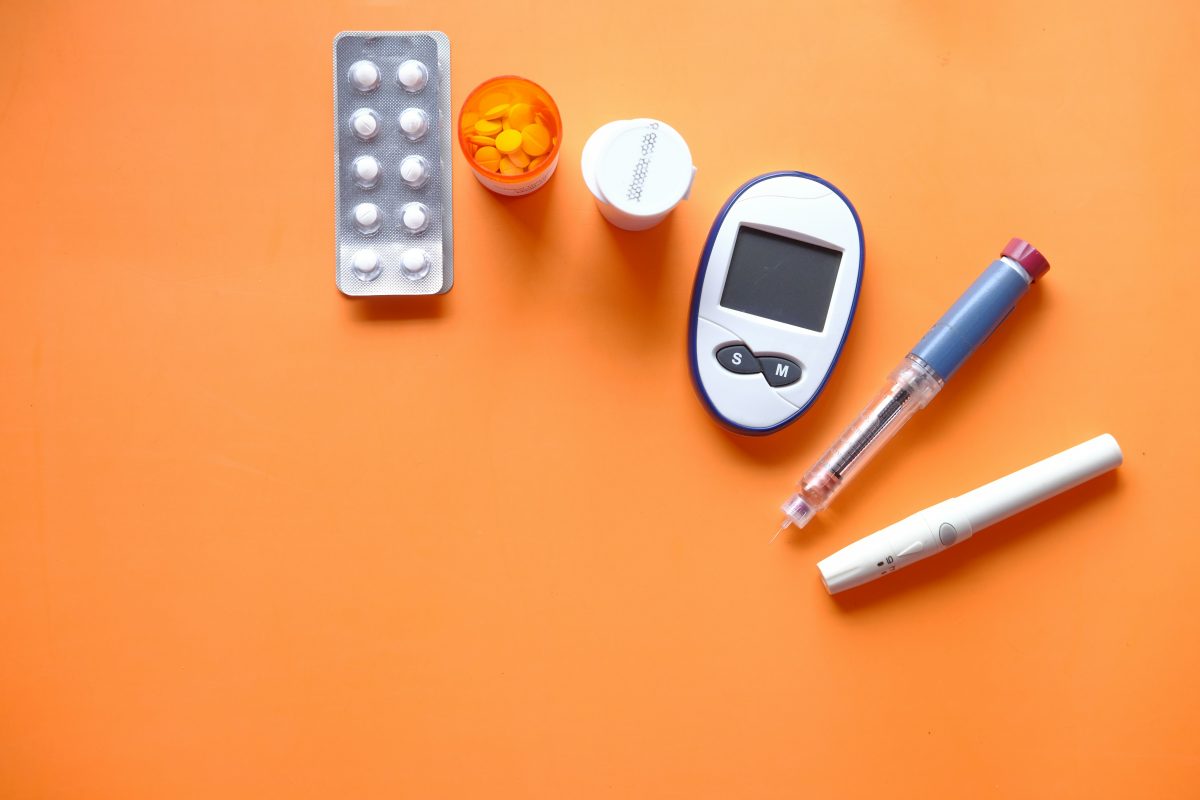
Diabetes is a chronic condition affecting millions in the United States. The Centers for Disease Control and Prevention (CDC) believes that over 11.6% of Americans have diabetes.
This includes about 30 million adults. Moreover, 8.7 million individuals (about 23%) of adults are unaware of their issue. While these statistics are alarming, they only tell part of the story. Diabetes influences the body in ways that aren’t obvious.
We all know diabetes can cause classic symptoms like excessive thirst, frequent urination, and tiredness. But can diabetes also cause swollen lymph nodes? Moreover, is there any correlation between diabetes and the lymphatic system? These questions might surprise you.
However, while diabetes itself doesn’t directly cause swollen lymph nodes, there’s this lesser-known connection we’ll explore in this blog. Understanding this correlation allows you to better manage diabetes and your overall health.
So, let’s get started.
What is the Lymphatic System?
It is like the cleanup department for your body. It’s a network of vessels and organs that help expel toxins, waste, and other unwanted materials.
The fluid, called lymph, travels through these vessels collecting the waste until it reaches lymph nodes. These nodes act as tiny filtration stations. You have about 600 lymph nodes in your body. Here, the immune cells filter out bacteria and other harmful substances, keeping you healthy. Moreover, it is also responsible for lymphocyte (a type of white blood cell) transportation.
This system plays a crucial role in your immune function and helps maintain fluid balance in your body. It consists of parts like:
- Lymph nodes
- Lymph vessels
- Lymph fluid
- Bone marrow
- Spleen
- Thymus gland
These elements work together to weed out toxic contaminants and neutralize infections.
How does Diabetes Affect the Body?
Diabetes is a condition that affects how your body uses glucose or blood sugar. There are two main types:
- Type 1 Diabetes: You don’t produce insulin.
- Type 2 Diabetes: Your body doesn’t use insulin properly.
Insulin is a key hormone that helps cells absorb glucose (sugar) from your bloodstream for energy. When blood sugar levels remain high chronically (hyperglycemia), it can destroy blood vessels and nerves in the body. So, while managing blood sugar is vital in diabetes care, the effects of this condition go beyond that.
Diabetes can also disrupt your kidneys, cardiovascular system, central nervous system, integumentary system, and yes, even the lymphatic system. Moreover, it can also cause heart issues, stroke, kidney, and nerve damage. The National Institute of Diabetes and Digestive and Kidney Diseases (NIDDK) believes that diabetes elevates your odds of heart disease and stroke by 2x.
The Link Between Diabetes and Lymphatics
Diabetes can change how your lymphatic system works. High blood sugar levels weaken lymph vessels, thus, reducing their functionality. This also reduces the efficiency of white blood cells, raising the odds of infections.
This results in fluid and waste retention in your body. As the body fights infections, lymph nodes can swell as they filter out harmful pathogens. Diabetes can also affect your lymphatic system by:
- Slowing down lymph flow
- Weakening your immune response
- Changing how your body handles inflammation
These changes can make it harder for your body to heal and fight off illnesses.
Common Diabetic Infections Causing Swollen Lymph Nodes
According to Health Headlines 360, people with diabetes are more prone to several infections, which can cause swollen lymph nodes. This is because diabetes weakens the immune system, which exposes you to conditions like:
- Skin Infections and Diabetic Ulcers: Diabetic neuropathy can cause unnoticed injuries, which become infected and cause swelling in nearby lymph nodes.
- Urinary Tract Infections (UTIs): Higher sugar levels in the urine promote bacterial growth, resulting in UTIs and swollen lymph nodes in the pelvic area.
- Respiratory Infections: Infections like pneumonia and bronchitis are more common and severe in diabetics, often causing swollen lymph nodes in the neck and chest.
Lymphatic Complications in Diabetic Patients
If you have diabetes, you may face some lymphatic-related issues:
- Increased Risk of Infections: Diabetes can weaken your immune system, making you more prone to infections. Your lymphatic system might struggle to fight these off effectively.
- Slow Wound Healing: Poor lymph circulation can slow your body’s healing process. This is why foot ulcers are a common concern in diabetics.
- Lymphedema: Causes arms/legs to thicken due to lymph buildup. While not exclusive to diabetes, people with diabetes may have a higher risk.
- Impaired Fat Metabolism: Your lymphatic system helps process fats. Diabetes can disrupt this function, potentially affecting your nutrition and weight management.
You can try manual drainage to circulate built-up lymph fluid through the body. There’s limited research, but it does seem to improve blood flow and muscle tone. It also helps reduce swelling, pain, stiffness, and lipedema-related fat. It usually takes 15 to 30 minutes and is conducted by a certified lymphedema therapist (CLT).
Commonly Asked Questions
Q1. How Often Should Diabetics Check Their Lymph Nodes?
While there’s no standard schedule, it’s wise to check your lymph nodes monthly. Pay attention to the parts like your neck, armpits, and groin. If you notice persistent swelling or tenderness, especially with other symptoms, consult your doctor immediately.
Q2. Can Lymphatic Massage Help Manage Diabetes Complications?
Lymphatic massage may help reduce swelling and improve circulation in diabetics. However, it’s not a cure-all. Always consult your doctor before starting, as improper technique could worsen certain conditions. When done correctly, it can complement your diabetes management plan.
Q3. Are There Specific Foods That Support Lymphatic Health for Diabetics?
Experts recommend consuming an antioxidant-rich diet, void of processed foods, refined sugars, and saturated and trans fats. Focus on leafy greens, berries, citrus fruits, and herbs like ginger and turmeric. Stay hydrated and limit salt intake. Remember to stick to choices as per your financial situation and diabetes meal plan.
In conclusion, the interplay between diabetes and the lymphatic system is complex but crucial. By taking care of your overall health and managing your diabetes, you’re supporting your lymphatic system.
Remember, your body’s systems are all connected. A holistic approach to your health can help you feel your best and reduce complications. Regular monitoring, good hygiene, and prompt medical care are key to minimizing risks and ensuring holistic well-being. Finally, don’t hesitate to talk to your healthcare provider if you have concerns about your lymphatic health.