What Are the Common Mistakes Made During Romex Wiring Installation?
Doing things right the first time is important for safety and functionality in home electrical work. Romex wiring, or non-metallic sheathed cable, is widely used in residential electrical projects due to its flexibility and ease of installation. However, improper installation can lead to significant issues, including electrical shocks, fires, and costly repairs.
Incorrect voltage, inadequate connections, and poor cable routing can compromise the entire electrical system. Ensuring correct installation techniques is vital to prevent hazards and ensure a reliable electrical supply.
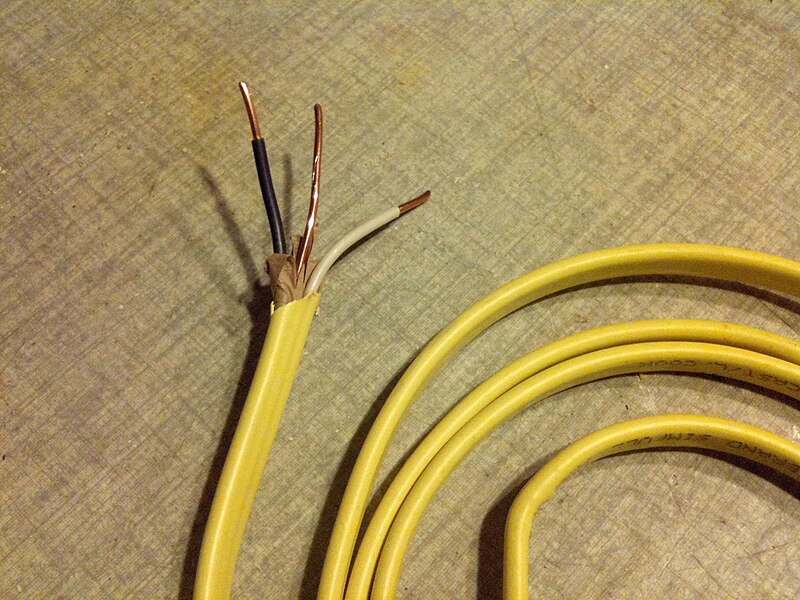
What is Romex Wiring?
Romex is a type of non-metallic sheathed cable consisting of multiple insulated conductors wrapped in a durable outer jacket. It is a type of electrical wire used in many homes. It’s like the veins in your body, carrying electricity instead of blood.
Romex wiring is special because it has multiple wires bundled together in a protective jacket. This makes it safer and easier to install than other types of wiring.
Why Proper Romex Wiring Installation is Important
Incorrectly installed wiring poses significant risks, including electrical failures, devastating fires, and severe electrical shocks. Conversely, properly installed Romex wiring is generally safe and reliable. However, even minor errors can have catastrophic consequences, emphasizing the importance of precision.
Ensuring correct Romex wiring installation is essential for maintaining code compliance, preventing electrical hazards, and extending the lifespan of your electrical system. This safeguards your home, family, and valuables.
What Are the Common Mistakes to Avoid During Romex Wiring Installation?
Avoiding common mistakes during Romex wiring installation is important for safety and efficiency. Here are key errors to watch out for to ensure a successful and compliant installation:
Choosing the Wrong Type of Romex Cable
One of the first mistakes people make is selecting the wrong type of Romex cable for their project. Romex wiring comes in different gauges and types, each suited for specific applications. For example, 14-gauge wire is typically used for lighting circuits, while 12-gauge wire is used for outlets. Using the wrong gauge can lead to overheating and potential fire hazards. Always check the code requirements for your area and the specific needs of your project.
Using the Wrong Type of Connectors
Romex wiring should always be connected using the appropriate connectors and fittings. Using the wrong type or failing to use connectors at all can lead to loose connections, which can cause overheating and arcing. Make sure to use connectors that are rated for the type and size of cable you’re working with. Using SolderStick connectors can solve the issue of loose or improper connections.
Ignoring Local Electrical Codes
Each region has its own set of electrical codes that must be followed when installing wiring. These codes ensure safety and standardization in electrical installations. Failing to follow local codes can result in unsafe wiring, code violations, and costly fines. For more information, check out this guide on Romex wiring from cheselectric.com, to ensure that your wiring is safe and up to code. Familiarize yourself with the local electrical codes in your area before starting a Romex wiring project.
Failing to Secure the Cable Properly
Securing Romex wiring is essential to prevent it from moving and becoming damaged. A common mistake is not using enough staples or supports to secure the cable. The National Electrical Code (NEC) requires that Romex cable be secured within 12 inches of an electrical box and every 4.5 feet along its run. Failing to do this can lead to sagging wires, which can be easily damaged and pose a safety risk.
Overcrowding Electrical Boxes
An electrical box that is too crowded with wires can cause overheating and make it difficult to work on the wiring if repairs are needed. Each electrical box has a specific capacity measured in cubic inches, and it’s essential to calculate the volume of wires to ensure the box is not overcrowded. A good rule of thumb is to count each wire and device, then compare it to the box’s rated capacity.
Not Stripping Enough Insulation
Another common mistake during Romex wiring installation is not stripping enough insulation from the wires. When connecting wires to outlets, switches, or junction boxes, it’s important to strip the correct amount of insulation to ensure a secure and stable connection. Failing to strip enough insulation can result in weak connections that can cause electrical faults or fires.
Improperly Grounding the System
Grounding is a vital aspect of electrical safety. One of the most dangerous mistakes made during Romex wiring installation is failing to properly ground the system. Each electrical box and device must be grounded to prevent electric shock and ensure the system operates safely. Double-check that all grounding wires are securely connected and that all metal boxes and conduits are grounded as well.
Running Romex Cable in Unsafe Locations
Romex cable should never be run through hazardous locations or where it can be easily damaged. Avoid running Romex wiring through high-traffic areas, near sharp edges, or exposed on walls where it can be easily bumped. If you need to run wiring in these areas, consider using a conduit to protect the cables.

What are the Best Practices for Romex Wiring Installation?
To ensure a safe and efficient electrical system, consulting local electrical codes and regulations is essential for compliance. Detailed wiring diagrams simplify installation and future modifications while selecting and sizing Romex cables correctly considering factors like voltage, current, and environment. Proper stripping and connection techniques prevent damage and ensure secure connections.
Thorough testing of circuits for voltage, continuity, and grounding verifies installation integrity, minimizing electrical risks and ensuring a reliable installation.
Conclusion
Installing Romex wiring properly is essential for ensuring the safety and functionality of your home’s electrical system. By avoiding the common mistakes mentioned above, you can help protect your home from electrical hazards such as shocks, fires, and equipment malfunctions. Always remember to follow electrical codes, use the correct tools, and seek professional advice when necessary.