The Rise of THCA and Delta-8: How They Compare to Traditional THC
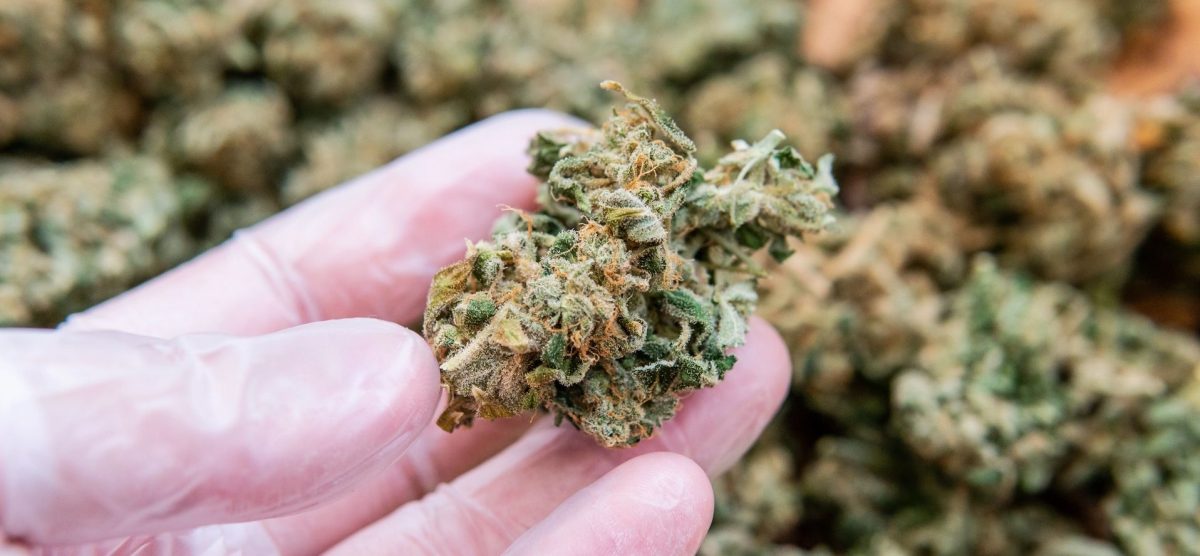
The introduction of Mississippi’s medical marijuana program has opened the door for residents to access THC legally for therapeutic use. At the same time, new alternatives like THCA and Delta-8 are creating legal avenues for those seeking similar effects. These cannabinoids, though slightly different from traditional THC (also known as Delta-9 THC, the form of THC found in higher concentrations in cannabis products), are gaining popularity in Mississippi and beyond, providing residents with a range of options to explore.
Mississippi’s Medical Marijuana Program: A Path to Legal THC
Mississippi officially launched its medical marijuana program in 2023, allowing registered patients to legally purchase cannabis for medical use. To qualify, individuals must have a diagnosis from a list of approved conditions, such as chronic pain, cancer, or epilepsy, and obtain a medical marijuana card. While the process involves doctor visits and paperwork, it’s relatively straightforward compared to other states, making it easier for Mississippi residents to access THC legally. Once approved, patients can purchase up to 3.5 grams of cannabis per day from licensed dispensaries across the state.
This program marks a significant shift for cannabis access in Mississippi, where recreational use remains illegal. However, for those unable to join the medical program or seeking alternatives, THCA and Delta-8 have emerged as intriguing options.
The Rise of THCA and Delta-8: Legal Alternatives?
Nationwide, cannabinoids like THCA and Delta-8 have surged in popularity, particularly in states with strict marijuana laws. These compounds are derived from hemp and became accessible under the 2018 Farm Bill, which allows hemp products with less than 0.3% Delta-9 THC. However, in Mississippi, the situation is more complicated.
Technically, both THCA and Delta-8 are likely illegal under state law, as Mississippi considers any tetrahydrocannabinol (including THCA when heated and Delta-8) as controlled substances. Despite this, enforcement of these laws is lax, and THCA and Delta-8 products are still sold in some local shops and online retailers. While purchasing these products carries legal risks, they remain widely available due to inconsistent enforcement.
With an understanding of the legal landscape of Delta-8 and THCA in Mississippi, it’s time to dive into what these compounds actually are and how they compare to traditional Delta-9 THC.
What is THCA?
THCA, or tetrahydrocannabinolic acid, is the precursor to THC. In its raw form, THCA is non-psychoactive, meaning it won’t get you high. However, when heated (through smoking or vaping), it converts into THC, producing the psychoactive effects cannabis is known for. While technically legal if it remains below the 0.3% THC threshold, most users purchase THCA flower with the intent to heat it, allowing them to experience a high similar to THC without violating state laws.
What is Delta-8?
Delta-8 THC is a naturally occurring cannabinoid found in small amounts in hemp plants. It offers a milder high compared to Delta-9 THC (the main psychoactive component in cannabis), often described as less intense and more functional, making it popular for those seeking relief without overwhelming psychoactive effects. Delta-8’s legality stems from the fact that it can be derived from hemp, allowing it to be sold in many states, including Mississippi, despite its psychoactive effects.
Comparing the Effects & Potency of Delta-8 THC and Delta-9 THC
Now that we’ve explored what THCA and Delta-8 are, let’s get into how they stack up against each other. Since THCA converts into THC (or Delta-9 THC) when heated, the real comparison here is between Delta-8 and Delta-9 THC. Both offer psychoactive effects, but their intensity and experience can differ, making them appealing to different types of users.
In terms of effects, Delta-8 is often seen as a middle ground between CBD and Delta-9 THC. Users report feeling clear-headed and relaxed without the anxiety or paranoia that sometimes accompanies traditional THC use. However, it is less potent than Delta-9, so users typically need higher doses to achieve similar effects.
On the other hand, THCA is simply a precursor to Delta-9 THC and, when heated, provides the same high. It’s worth noting that most users who seek out THCA products are looking to get high, and they understand that heating the compound unlocks its psychoactive potential.
Delta-8 Edibles vs. Delta-9 THC Edibles
When it comes to edibles, the situation is more nuanced. THCA is not commonly found in edible form, as it needs to be decarboxylated (heated) to become active. In contrast, Delta-8 edibles, like chocolate, are widely available and offer a legal alternative for those seeking a psychoactive experience. Delta-8 edibles provide a less intense high, making them a popular choice for those who want to stay functional.
Interestingly, Delta-9 THC edibles derived from hemp are also becoming available, as long as they meet the 0.3% THC limit per serving. These products are legal to purchase online and can provide a similar experience to traditional cannabis edibles.
Where to Purchase
For those in Mississippi who qualify for the medical marijuana program, purchasing THC legally through licensed dispensaries remains the safest and most reliable option. With access to regulated products, medical marijuana ensures consistent quality and effects. However, for those who aren’t eligible for the program or who only need short-term relief, Delta-8 or THCA can be viable alternatives.
Products like Delta-8 and THCA are widely available from reputable online retailers, such as Sweet Leaf Hemp Farms based in Tennessee, and can be shipped discreetly to your home. These cannabinoids offer a legal workaround for people looking for similar effects to traditional THC, especially if you’re seeking temporary relief, like post-surgery pain, without the long-term commitment of the medical marijuana program.
For Mississippi residents, the introduction of the medical marijuana program is a significant step toward wider cannabis access. However, for those who prefer not to join the program or are seeking alternatives, THCA and Delta-8 present legal, if complex, options. By understanding the differences between these cannabinoids and purchasing from reputable sources, you can make informed decisions about which option suits your needs best.
Make sure to check the legality of products before purchasing and consult with a healthcare professional if using cannabis for medical purposes.