How Plumbing Contractors Address Health and Safety Concerns?
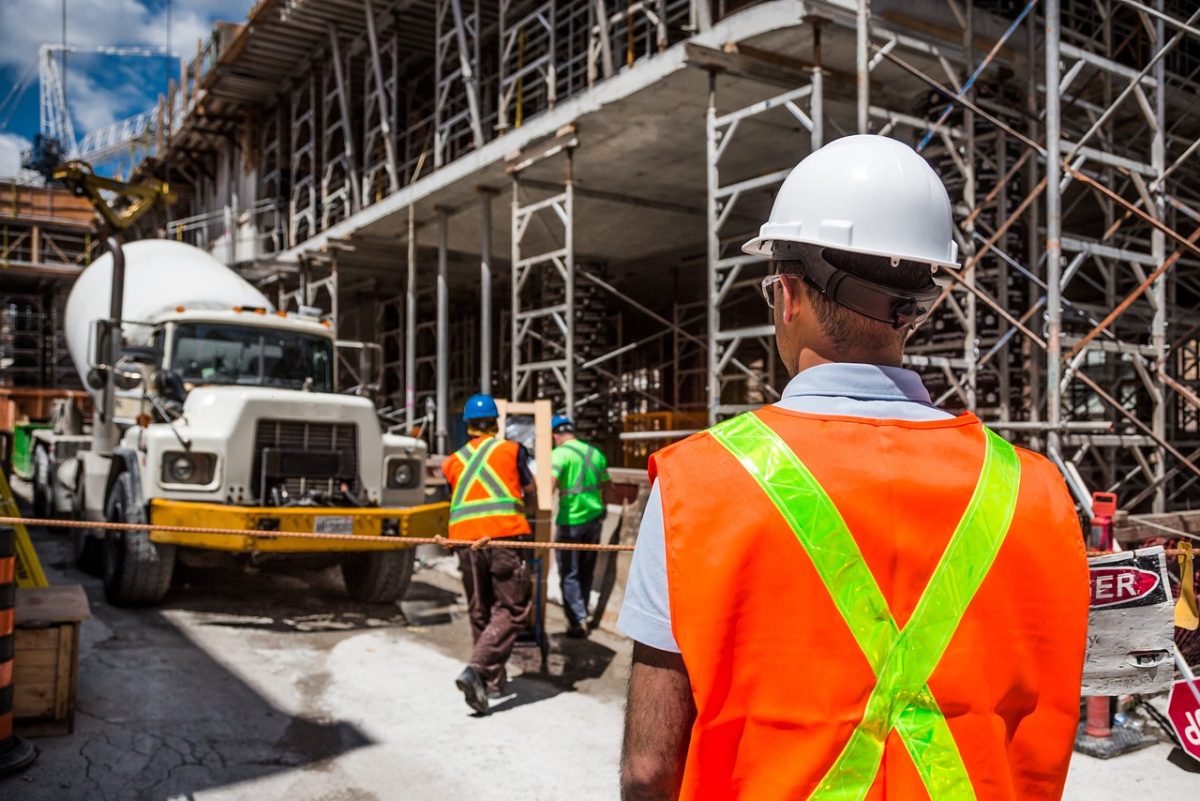
Ensuring a safe and healthy environment is one of the primary responsibilities of plumbing contractors. While essential for everyday life, plumbing systems can pose health risks if they are not properly maintained or installed. From preventing water contamination to managing hazardous materials, plumbing contractors play a crucial role in upholding public health and safety standards. We will explore how downtown plumber tackles various health and safety concerns, adhering to strict regulations and best practices to protect the well-being of their clients and the wider community. The importance of these efforts cannot be overstated, as plumbing contractors provide services essential to maintaining a safe and sanitary environment in residential and commercial spaces.
Preventing Water Contamination and Ensuring Safe Drinking Water
One of the most significant responsibilities of plumbing contractors is to ensure that water supply systems remain uncontaminated, providing safe drinking water to households and businesses. Contaminated water can carry a range of harmful substances, including bacteria, chemicals, and heavy metals, which pose serious health risks if consumed. Plumbing contractors work diligently to prevent these risks by implementing practices and materials that keep water supplies clean and contamination-free.
This process involves selecting materials that do not leach harmful substances into the water supply. For instance, lead was once a common material in plumbing pipes, but it has since been discovered to have toxic effects, especially on young children. Modern plumbing contractors now use safer materials like copper and PVC that do not contaminate the water. They also stay informed about industry regulations prohibiting hazardous materials, ensuring that all installations comply with current health and safety standards.
Additionally, plumbing contractors are key in preventing cross-contamination between potable (drinking) water and non-potable sources. Cross-connections, where potable water systems are inadvertently connected to contaminated sources, can lead to serious health hazards. Contractors use devices such as backflow preventers, which stop non-potable water from flowing back into the clean water supply. They regularly inspect and maintain these devices, particularly in commercial and industrial settings with higher cross-connection risks. Plumbing contractors help ensure that only clean, safe water reaches consumers by carefully managing and securing water systems.
Furthermore, plumbing contractors are trained to identify and address bacterial contamination, such as Legionella, which thrives in warm, stagnant water. They take preventative steps, such as flushing systems regularly and monitoring water temperatures, to inhibit bacterial growth. In settings like hospitals and nursing homes, where individuals with compromised immune systems may be more susceptible to waterborne infections, contractors work with facility managers to design and maintain systems that minimize these health risks. Through careful planning, regular maintenance, and adherence to stringent health guidelines, plumbing contractors play a pivotal role in safeguarding public health by ensuring access to uncontaminated drinking water.
Managing Hazardous Waste and Ensuring Proper Disposal
In addition to maintaining safe water systems, plumbing contractors address health and safety concerns by properly managing and disposing of hazardous waste materials, often coordinating with licensed asbestos removalists when older pipework or insulation poses a contamination risk. During plumbing repairs, installations, and maintenance work, contractors may encounter substances that pose health risks, such as chemical residues, heavy metals, and sewage. Ensuring these materials’ safe handling and disposal is crucial to protecting the environment and public health.
One company that exemplifies this commitment is Anytime Plumbing, Inc., which follows strict guidelines to prevent hazards, including routine inspections to identify leaks, blockages, and other issues before they escalate. Their team is trained to handle potentially hazardous situations, ensuring that all waste is managed and disposed of in accordance with safety standards.
One area of focus for plumbing contractors is safe managing wastewater and sewage systems. If these systems malfunction or are improperly maintained, sewage can return to homes and public spaces, posing serious health risks through exposure to pathogens and toxic substances. Contractors follow strict guidelines to prevent these hazards, including routine inspections to identify leaks, blockages, and other issues before they escalate. When sewage backups do occur, plumbing contractors are trained in methods to safely clean and sanitize affected areas, reducing the risk of disease transmission.
Proper disposal of hazardous materials is also a priority for plumbing contractors, especially when working in older buildings that may contain outdated plumbing systems with harmful components, such as asbestos. Asbestos was commonly used in construction for its durability and heat resistance but is now known to be a carcinogen. Plumbing contractors take precautions when dealing with asbestos-containing materials, often coordinating with specialized waste management services to ensure safe removal and disposal. By adhering to regulations and employing protective measures, contractors minimize the risk of asbestos exposure for themselves, their clients, and the broader community.
Moreover, plumbing contractors are responsible for managing the disposal of chemical cleaning agents and other potentially toxic substances used in their work. Harsh chemicals, such as drain cleaners and pipe descalers, can be harmful if improperly handled or disposed of, potentially contaminating water supplies or harming the environment. Many plumbing contractors have adopted environmentally friendly alternatives, such as enzyme-based cleaners, to reduce their environmental impact. They also follow established protocols for the disposal of chemicals, often working with waste disposal companies that specialize in handling hazardous materials. By ensuring the safe disposal of these substances, plumbing contractors contribute to a cleaner, healthier environment.
The role of plumbing contractors in addressing health and safety concerns is multifaceted and essential for public well-being. We have explored how these professionals safeguard the water supply, manage hazardous waste, and implement safety protocols to protect clients and workers. From preventing water contamination to ensuring the safe disposal of toxic materials, plumbing contractors are dedicated to maintaining a safe and healthy environment in every project they undertake. Their efforts not only protect individual households but also contribute to the broader public health by upholding high sanitation and safety standards. As we continue to rely on clean water and effective waste management, the importance of plumbing contractors in safeguarding health and safety becomes ever more apparent. Through their commitment to best practices and adherence to industry regulations, plumbing contractors provide invaluable services that enhance the quality of life for all.