Signs You Need a New Engine Oil Filter
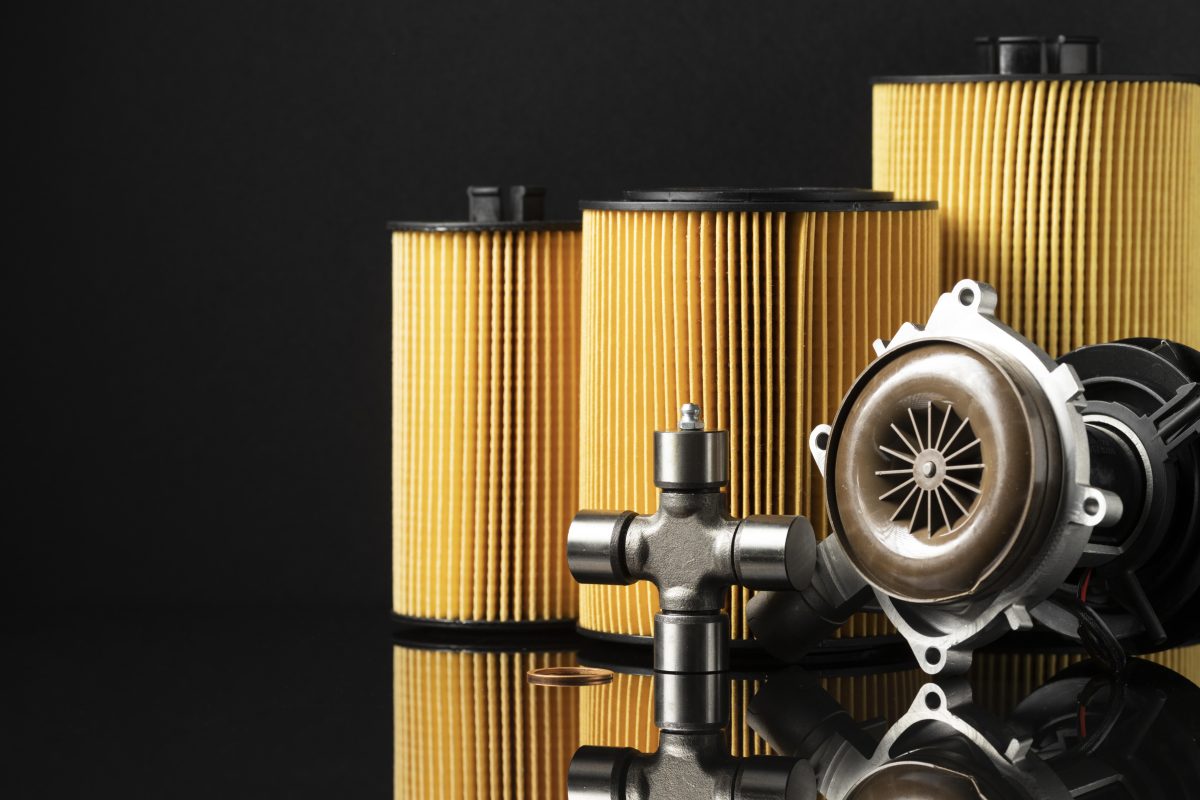
The engine oil filter is a critical component of your car’s engine system, ensuring that impurities and contaminants are removed from the oil before it circulates through the engine.
However, oil filters can clog or lose their effectiveness over time, which could cause damage to your car. Recognizing the signs that your oil filter needs replacing is essential for maintaining engine health and performance. These are the primary indicators to watch out for:
1. Reduced Engine Performance
One of the first signs of a failing oil filter is decreased engine performance. A clogged filter can restrict the flow of oil to the engine, resulting in increased friction between moving parts. This can lead to sluggish acceleration, rough idling, or poor fuel efficiency.
What to Watch For:
- Slower response when accelerating.
- Difficulty maintaining consistent power, especially during uphill drives.
- Noticeable drops in miles per gallon (MPG).
Replacing the oil filter ensures a steady oil flow and keeps the engine running smoothly.
2. Unusual Engine Noises
A properly functioning oil filter ensures adequate lubrication in the engine. When the filter becomes clogged, the oil may not reach vital engine components, causing them to grind against each other.
Noises to Listen For:
- Metallic grinding or rattling sounds.
- Knocking or ticking noises, especially when starting the engine.
These noises often indicate that the engine parts are not receiving enough lubrication due to restricted oil flow.
3. Oil Pressure Warning Light
Modern vehicles are equipped with dashboard indicators that alert you to issues with oil pressure. If the oil pressure warning light illuminates, it could be a sign that your oil filter is clogged and restricting the oil flow.
Why It Happens:
A clogged filter forces the oil pump to work harder to circulate oil, causing a drop in overall oil pressure. Ignoring this warning could lead to severe engine damage over time.
4. Dirty or Contaminated Oil
Oil filters are designed to trap dirt, debris, and other contaminants. However, as the filter reaches the end of its lifespan, it becomes less effective at cleaning the oil.
Signs of Dirty Oil:
- Dark, gritty, or sludgy oil when you check the dipstick.
- Oil that appears to contain small particles of debris.
Regularly checking your oil’s condition can help you identify when the filter is no longer doing its job.
5. Excessive Exhaust Smoke
Excessive smoke coming from your exhaust pipe could be a sign of a faulty oil filter. When the filter is clogged, it can cause oil to burn improperly, resulting in noticeable smoke.
What to Look For:
- Blue or gray smoke with a strong burnt-oil odor.
- An abrupt rise in smoke volume when accelerating.
In order to stop additional engine damage, this problem needs to be fixed right now.
6. Frequent Oil Changes Without Replacing the Filter
Regular oil changes are vital for your motor, but the unused oil won’t work as well if you disregard the oil channel.
Best Practice:
Replace the oil filter every time you perform an oil change. Most manufacturers recommend replacing the filter every 3,000 to 5,000 miles, depending on driving conditions and your vehicle’s specifications.
7. Leaking Oil Around the Filter
A damaged or improperly fitted oil filter can lead to oil leaks. These leaks often occur around the area where the filter is mounted.
Signs of an Oil Leak:
- Puddles of oil under your car.
- Low oil levels when checked with a dipstick.
- A visible oil stain around the filter’s mounting area.
If you notice an oil leak, inspect the filter for cracks, improper installation, or wear and tear.
8. Overheating Engine
Oil plays a crucial role in reducing friction and cooling the engine. When the oil filter is clogged, insufficient oil flow can cause the engine to overheat.
Signs of Overheating:
- Temperature gauge showing higher-than-normal readings.
- Steam coming from under the hood.
- Burning smells while driving.
An overheating engine can lead to serious damage, making it vital to address the issue promptly.
Why Regular Maintenance Matters
Replacing your engine oil filter regularly is one of the simplest and most cost-effective ways to maintain your vehicle’s health. A clean and functional filter ensures optimal oil flow, protects the engine from contaminants, and prolongs its lifespan.
Pro Tips for Maintenance:
- Follow your vehicle manufacturer’s guidelines for oil and filter changes.
- Use high-quality filters designed for your specific car model.
- Check the filter during routine inspections to ensure it’s in good condition.
Buy New Engine Oil Filter
The engine oil filter plays a vital role in keeping your vehicle running smoothly. Ignoring the signs of a worn or clogged filter can lead to costly repairs and reduced engine performance. By staying vigilant and replacing the filter regularly, you can ensure your engine remains in peak condition and enjoy a smoother, safer driving experience.
If you notice any of the warning signs mentioned above, don’t delay—consult a professional mechanic and replace the filter as needed.
Read more: 4 Car Maintenance Tips for New Drivers
Read more: How to Keep Your Car on the Road and in Good Condition in Mississippi
Read more: First Things To Do After Buying a Used Diesel Truck