Practical Examples Of The Sharing Economy
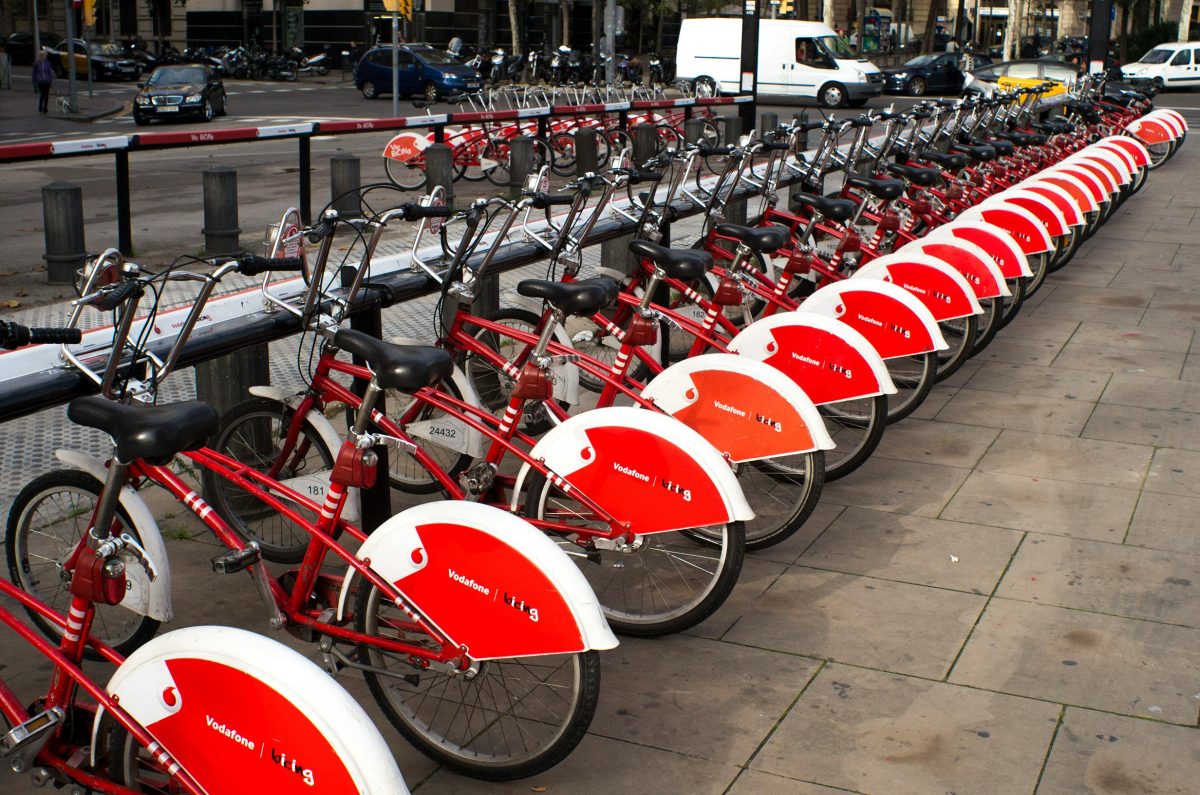
In today’s world, the sharing economy is transforming how we think about ownership and access. Instead of owning everything outright, many people are embracing the idea of sharing resources, whether it’s a ride, a place to stay, or even clothes. The beauty of this model is that it allows you to make money off unused assets while offering others access to things they need without the high upfront costs. If you’re someone who’s working on improving your financial situation, for example, by looking into debt consolidation for bad credit, you may find that the sharing economy offers you ways to supplement your income or save money.
Let’s take a deeper dive into some practical examples of the sharing economy and how they’re being used today. These real-world examples not only illustrate the concept but also show how this model is becoming an integral part of our everyday lives.
- Renting Out Your Spare Room on Airbnb
One of the most popular and well-known examples of the sharing economy is renting out your spare room on platforms like Airbnb. If you’ve got an extra room or an unused guest house, you can rent it out to travelers looking for a more personal and often more affordable alternative to hotels. Airbnb connects hosts with guests, allowing you to set your own rates and availability. This is a great way to make extra money without a lot of effort.
For homeowners or renters with a bit of extra space, Airbnb can be an easy way to monetize your home. Depending on where you live, you could make hundreds or even thousands of dollars a month by offering short-term rentals. It’s also a flexible option—you can rent out the space only when it suits your schedule, whether that’s a few weekends a month or a more regular arrangement.
For people looking for a way to make some extra cash—maybe to cover some unexpected expenses or save for a larger goal—this is a solid option. Plus, if you’re working to pay down debt, having this additional stream of income could help alleviate some of the financial pressure.
- Using Uber for Rideshare
Another great example of the sharing economy is Uber, which has completely changed the way we think about transportation. Instead of owning a car or using traditional taxis, you can use the Uber app to request rides from private drivers who use their own cars to provide a service. Uber drivers earn money by driving people where they need to go, and passengers can easily book a ride with the click of a button.
For people in cities or those who prefer not to own a car, Uber provides a flexible, affordable transportation option. It’s also a great opportunity for people looking to make extra money. If you have a car and some free time, you can sign up to become an Uber driver and earn income on your own schedule. Whether you need extra cash to pay off bills or just want a bit of flexibility, driving for Uber could be a helpful side hustle.
Not only is Uber more convenient for many people, but it’s also helping to reduce the number of cars on the road, which contributes to a more sustainable environment. Plus, it’s a great option for those who are looking to avoid the long-term costs of car ownership, like car payments, insurance, and maintenance.
- Borrowing Tools or Items Through Platforms like Neighbor
While we’re used to sharing smaller items, the sharing economy also applies to larger tools and equipment. Platforms like Neighbor allow people to rent out items they rarely use, like power tools, lawn mowers, or even bikes. Instead of purchasing expensive items that you’ll only use a handful of times, you can borrow or rent them from a neighbor or a local community member.
For example, if you only need a ladder for a weekend project, why spend hundreds of dollars on one? Instead, you can borrow or rent a ladder through Neighbor for a fraction of the price. This model works for things like camping gear, snowboards, and even storage space. It makes accessing goods more affordable and flexible, while also providing an income stream for those who own items that sit unused most of the time.
Platforms like Neighbor encourage a more community-oriented way of thinking about ownership and access. Instead of thinking about everything as “mine,” you can rely on your local community to meet your needs—while also helping others do the same. If you have items that sit in your garage gathering dust, you might want to think about renting them out and earning extra money.
- Renting Clothes Through Services like Rent the Runway
Fashion is another area where the sharing economy has made a significant impact. Renting clothes through services like Rent the Runway has made it possible for people to enjoy high-end fashion without the hefty price tag. Whether you’re attending a wedding, a business event, or just need something stylish for a night out, Rent the Runway allows you to rent designer dresses, accessories, and even everyday clothes for a fraction of the cost.
For people who like to stay on top of trends but don’t want to invest in a whole new wardrobe every season, clothing rental services offer a practical solution. Instead of buying new clothes for every event, you can rent what you need and send it back when you’re done. This is a great way to save money, reduce clutter in your closet, and maintain a fresh wardrobe without committing to a purchase.
Additionally, renting clothes can help reduce the environmental impact of fast fashion. By reusing and renting clothing instead of constantly purchasing new items, you’re contributing to a more sustainable fashion cycle.
- Using Coworking Spaces for Office Needs
The rise of coworking spaces has been another key development in the sharing economy, particularly for entrepreneurs, freelancers, and remote workers. Instead of renting an office space or working from home, coworking spaces offer shared workspaces where individuals can pay for the time and space they need.
Coworking spaces provide all the benefits of an office—high-speed internet, meeting rooms, and a professional environment—without the long-term commitment and high costs. Whether you need a desk for a few days, a meeting room for a client, or just a change of scenery, coworking spaces offer flexibility and a community of like-minded professionals. Some spaces even provide amenities like coffee, snacks, and social events, making them a great place to network.
For small business owners or freelancers, coworking spaces offer an affordable alternative to traditional office leases. It’s also a great way to separate work from home life, while still keeping overhead costs low. Whether you’re a startup looking for an office space or a remote worker needing a more productive environment, coworking spaces provide a practical solution.
The Future of the Sharing Economy
The sharing economy continues to evolve, offering new opportunities for people to save money, earn extra income, and build more sustainable habits. Whether it’s renting out your car, borrowing tools, or finding affordable office space, the sharing economy allows us to access the resources we need without the financial burden of ownership.
As more people embrace this model, we’re likely to see even more creative ways to share, rent, and barter. The sharing economy has reshaped many industries and has made it easier for individuals to meet their needs, whether it’s by saving money, making extra cash, or simply living more sustainably.
If you haven’t already, consider taking advantage of these opportunities. By participating in the sharing economy, you not only help yourself, but you also contribute to a more collaborative, sustainable way of living.