You Must Do These Things Immediately After a Fire or Explosion Accident
Whether it’s a domestic incident or an industrial catastrophe, the immediate aftermath is a crucial time for taking action. What you do right after the accident can have significant consequences for your safety, health, and potential recovery. While it’s easy to become overwhelmed by the shock and fear of such an event, staying calm and focused is important. Knowing the right steps to take can help prevent further harm, protect your legal rights, and facilitate insurance claims. It’s important to act swiftly, as some actions need to be taken in the critical moments after the incident.

Seek Legal Counsel if Necessary
An experienced attorney can help you understand your rights and guide you through the process of filing a personal injury or property damage lawsuit. This is understanding complex legal procedures. Hiring a skilled attorney from Trey Barton Law can make a significant difference in making sure you understand the legal complexities of a fire or explosion case and receive the compensation you deserve. They can also help if your property is damaged due to a business or industrial accident.
Ensure Your Safety and the Safety of Others
If you’re still in the affected area, leave immediately. Fires can spread unpredictably, and explosions can cause structural damage or secondary hazards such as gas leaks or electrical fires. Don’t attempt to retrieve belongings or investigate the scene. If you’re outside the danger zone, check for other people who may be in harm’s way. Alert anyone nearby to evacuate the area and move to a safe location. If you’re unable to safely exit, find a room with a window, close the door, and signal for help. Even if you don’t feel hurt, you could have been exposed to smoke, debris, or burns. Seek immediate medical attention, as some injuries from fires and explosions may not be apparent right away.
Call Emergency Services and Report the Incident
Report the fire or explosion to 911 (or your country’s equivalent) as soon as possible. Provide clear and accurate details about the situation. This includes the location of the accident, the nature of the incident (fire or explosion), and any known hazards (such as chemicals or gas leaks). If you can, inform them of any people trapped inside or injured. The quicker emergency responders arrive, the better the chances are for containing the fire and helping those in need. While waiting for help to arrive, try to stay calm. Avoid re-entering the building or approaching areas that could still pose a danger.
Protect Yourself from Toxic Exposure
Many materials used in construction, household items, and industrial products can produce deadly fumes when they burn or explode, including carbon monoxide, hydrogen cyanide, and volatile organic compounds (VOCs). If you have been exposed to smoke or chemical fumes, seek medical attention immediately, even if you don’t feel any symptoms. If you can see or smell burning plastics, rubber, or other synthetic materials, avoid inhaling them. Move away from the scene, if possible, and try to protect yourself by covering your mouth and nose with a cloth or mask.
Document the Incident for Insurance and Legal Purposes
Take photographs or video footage of the damage caused by the fire or explosion, including any visible property damage, injury sites, and the overall scene. If you can, capture images of important details like burn marks, structural damage, and any hazardous materials that may have been involved. This documentation will be vital for insurance claims and legal proceedings. Record as much detail as possible about the incident, including the time it happened, any witnesses, and the nature of the fire or explosion. If you’re unable to take photos due to the circumstances, write down a detailed account of the event, including all relevant facts.
Contact Your Insurance Provider
Many insurance policies require timely reporting of such incidents, so it’s important not to delay. Your insurance company will guide you through the next steps of the claims process, including scheduling a damage assessment and providing you with any necessary forms. You may also need to submit any medical bills or treatment records if injuries are involved. Insurance adjusters may inspect the damage to verify the extent of the loss, and you may be asked to assist with any ongoing investigations. In the case of a serious explosion or fire, there may be additional claims for property damage, medical costs, or temporary living expenses.
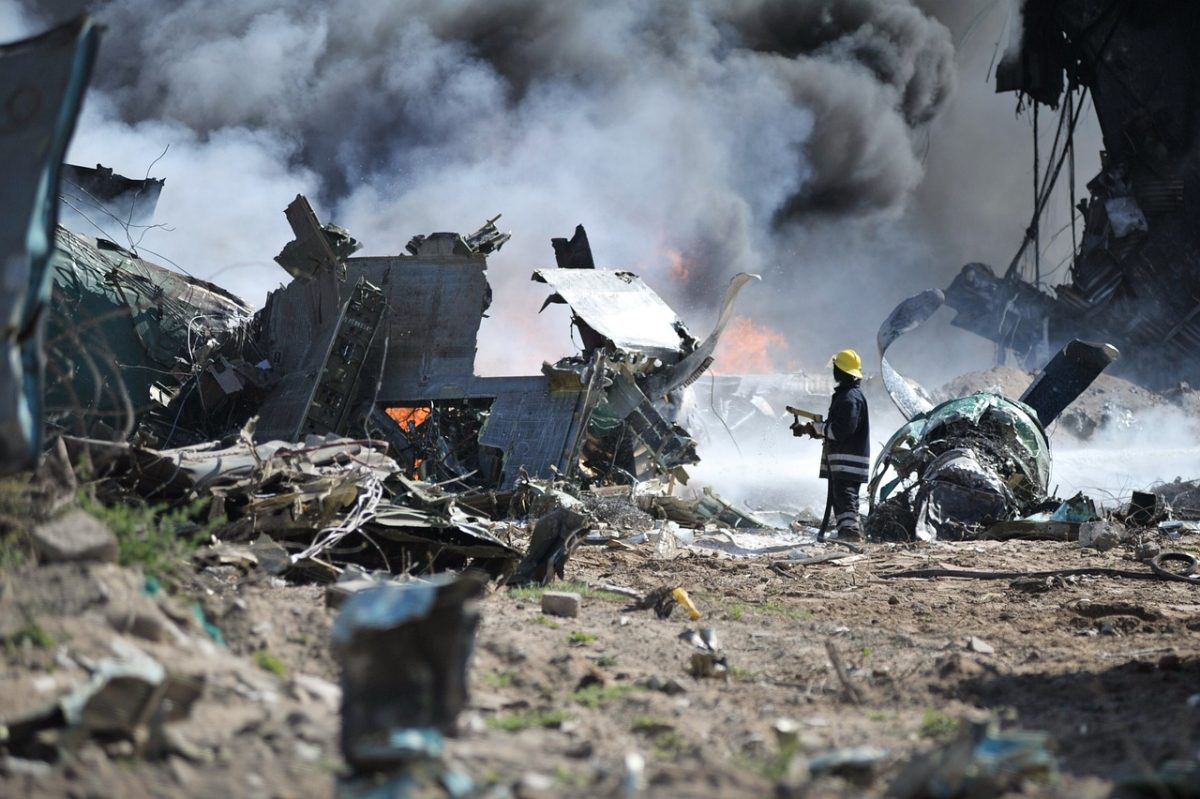
Dealing with the aftermath of a fire or explosion can be overwhelming, but taking swift action can significantly impact your recovery. Your first concern should always be safety – make sure you and others are out of harm’s way before anything else. Then, prioritize contacting emergency services, documenting the damage, and contacting your insurance provider. Protect yourself from further harm by avoiding toxic exposure, and seek legal advice if necessary to make sure your rights are preserved. By acting quickly and responsibly, you can better manage the aftermath of a fire or explosion accident and begin the path to recovery.