How Athletes Can Cope With Increasing Sports Injuries
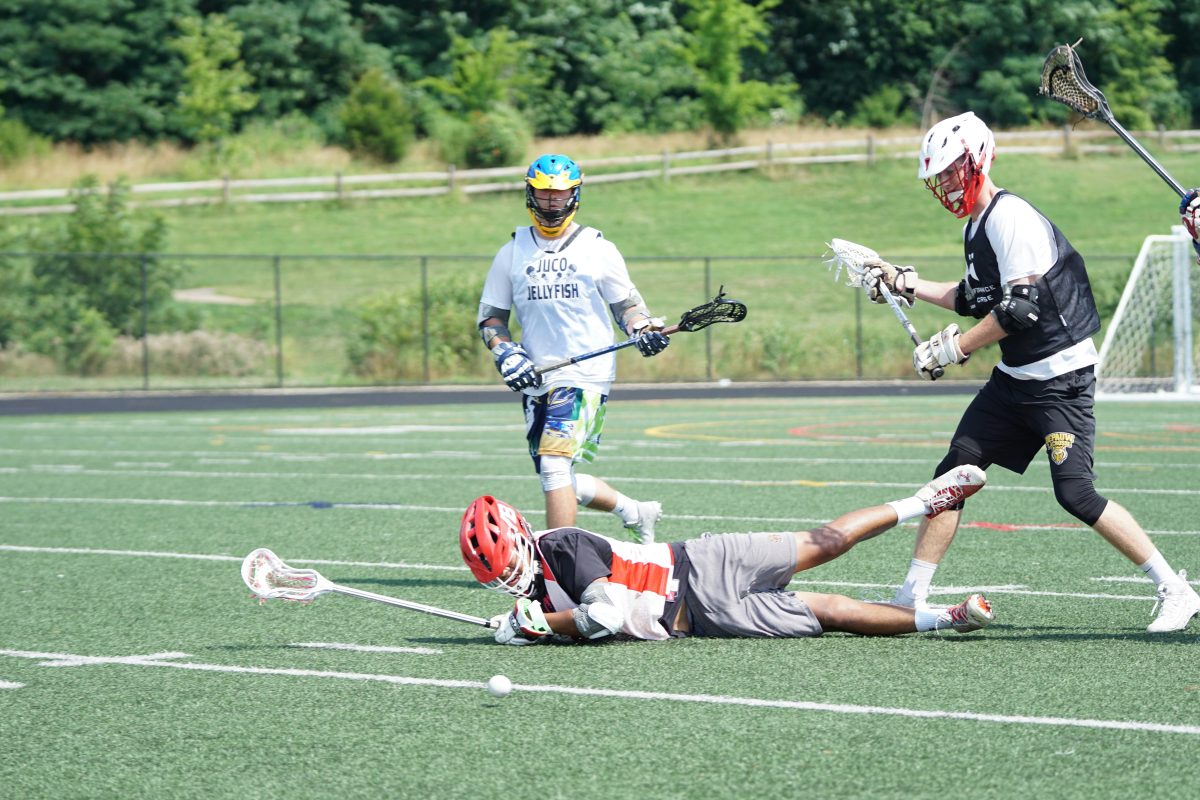
Sports injuries are becoming more common as athletes push their limits to achieve peak performance. Higher training intensity, longer seasons, and increased physical demands contribute to this trend.
While injuries can disrupt careers and daily routines, recovery strategies have improved, giving athletes more options to heal and regain strength. Treatments such as physical therapy, strength training, and alternative methods are gaining attention.
Among these, shockwave therapy is a valuable option for many athletes. It can help them deal with chronic pain and muscle recovery through high-energy acoustic waves. Shockwave therapy stimulates blood flow and helps damaged tissues repair more efficiently, offering an alternative for those seeking quicker recovery.
As the frequency of injuries rises, understanding different approaches to rehabilitation becomes essential for athletes at all levels. In this article, we will look at some treatment methods athletes are using to cope with increasing sports injuries.
Understanding the Causes of Increasing Injuries
The rise in sports injuries can be linked to several factors. Many athletes train year-round without adequate recovery time, increasing the risk of overuse injuries. Advances in sports science have led to more intense training programs, which, while improving performance, also place greater strain on the body.
Data shows that even high school athletes are going beyond their limits to secure their spot on the team due to increased competition.
According to a study, athletic trainers reported around 15,531 injuries across 6,778,209 athletic education sessions between 2015 and 2019. This shows a rate of 2.29 injuries per 1,000 athletic education sessions. The injury rate was highest in football (3.96), followed by girls’ soccer (2.65) and boys’ wrestling (2.36).
Playing surfaces, equipment, and even rule changes in some sports contribute to higher injury rates. Additionally, youth athletes specialize in single sports at an early age, leading to repetitive stress on specific muscle groups before their bodies fully develop.
Recovery Strategies for Injured Athletes
Healing from an injury requires more than just rest. The recovery process should include a combination of treatments tailored to the type and severity of the injury. Physical therapy is essential to assist athletes in restoring their strength and mobility and avoiding further injuries. Focused workouts increase flexibility and restore muscular function, which lowers the risk of re-injury.
Alternative treatments are also becoming popular in sports medicine. Techniques such as cryotherapy, massage therapy, and acupuncture help manage pain and inflammation. As stated by CBS News, cryotherapy is gaining a lot of traction in the athletic world and beyond. Even popular celebrities like Hailey Bieber are adopting this treatment for its health benefits.
Shockwave therapy has also gained attention for its ability to break down scar tissue and promote faster healing. According to Governor’s Park Chiropractic, this therapy works by sending strong sound waves into the body’s tissues. When used with coupling gel, these waves penetrate into the body and trigger an inflammatory response at the site of application. This helps improve blood circulation and metabolism at the site.
Mental resilience is another important aspect of rehabilitation. Athletes who experience setbacks often struggle with frustration, anxiety, or fear of re-injury. As noted by The Conversation, many athletes face mental health problems after big sporting events. This is because, after events, they often feel lost due to the lack of competition.
Working with sports psychologists or practicing mindfulness techniques can help maintain focus and motivation during recovery.
Preventing Future Injuries
A comprehensive approach to training, recuperation, and general health is necessary to prevent injuries. Strength training relieves strain on weaker regions by supporting muscles and stabilizing joints. By increasing range of motion, flexibility exercises can help avoid strained or torn muscles. Maintaining tissue health and promoting recovery following strenuous exercise are other benefits of proper diet.
Although it is sometimes disregarded, staying hydrated is crucial for avoiding cramps and preserving muscular function. Dehydration increases the risk of strains and fatigue-related injuries, so it is important to stay properly hydrated before, during, and after physical activity.
Athletes should also pay attention to warning signs from their bodies. Prolonged soreness, stiffness, or pain might be signs of an underlying problem that needs care. Ignoring these symptoms may result in more serious injuries that take longer to heal. Regular check-ups with sports medicine professionals can help detect potential problems early.
The Role of Rest and Recovery
Rest is often underestimated in athletic training. While pushing limits is necessary for improvement, continuous strain without proper recovery leads to breakdowns in the body. Restorative sleep is essential for the restoration of muscles and tissues. Sleep deprivation can impede the healing process and raise the risk of injury.
Active recovery methods, such as light stretching, yoga, or swimming, help keep the body moving without placing excessive strain on injured areas. These activities improve circulation, which supports faster healing and reduces stiffness.
Athletes who take recovery seriously tend to have longer, healthier careers. Balancing training with proper rest and rehabilitation ensures that the body remains in peak condition while minimizing the risk of recurring injuries.
Frequently Asked Questions
How can athletes stay mentally strong after a serious injury?
It might be difficult to recover mentally after a major accident. Setting short-term objectives, sticking to a schedule, and continuing to be involved in their sport non-physically all help athletes stay focused. Speaking with coaches, teammates, or sports psychologists can also help keep a positive outlook while recovering.
Are there specific sports that have higher injury rates than others?
Yes, due to their physical demands, certain sports are linked to increased injury rates. Concussions and joint injuries are common in contact sports, including football, rugby, and hockey. Tennis, baseball, and swimming are examples of repetitive motion sports that frequently result in overuse injuries, such as tendinitis and stress fractures.
Can athletes continue training while recovering from an injury?
Athletes can occasionally alter their training regimen to concentrate on other fitness aspects without worsening their injury. For instance, a runner who sustains a knee injury may engage in upper-body strength training or swimming instead. Before starting training again, a healthcare practitioner should always be contacted.
As sports evolve, training methods must adapt. Coaches and athletes need to stay informed about the latest injury prevention and rehabilitation research. Personalized training programs based on an individual’s physical condition can help optimize performance while reducing the likelihood of injuries.
Since injuries are becoming more common, efficiently controlling them is equally crucial as enhancing performance. Athletes who prioritize recuperation, pay attention to their bodies, and investigate novel treatment possibilities have the best chance of staying in the game longer.