The Impact of Hard Water on Your Plumbing System
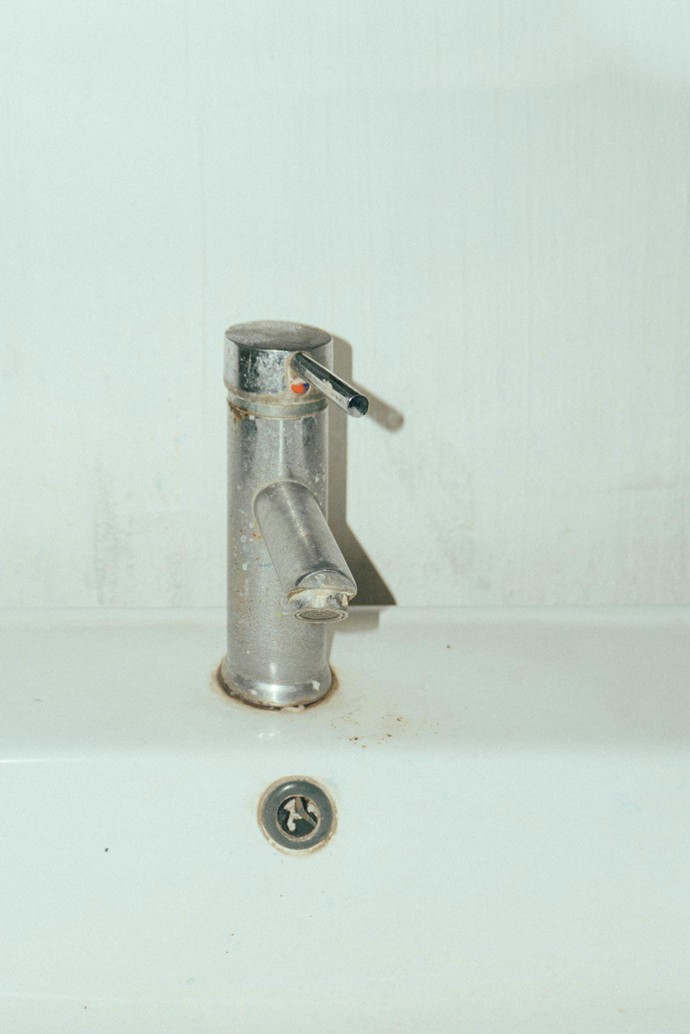
Image from Unsplash
Hard water is a common issue in many households, and its effects on plumbing systems can be more severe than most people realize. When water contains high levels of minerals like calcium and magnesium, it leaves behind deposits that can clog pipes, reduce water flow, and shorten the lifespan of appliances. If you’re noticing low water pressure or frequent appliance breakdowns, it may be time to contact a professional like Victory plumbing Hobart to address the issue before it worsens. Being proactive about plumbing maintenance ensures your home’s water systems remain functional and efficient year-round.
What Is Hard Water?
Hard water refers to water that has a high concentration of dissolved minerals, primarily calcium and magnesium. While it’s safe to drink, it can cause significant issues in your home’s plumbing system. When hard water evaporates, it leaves behind a chalky residue known as limescale. Over time, limescale buildup can restrict water flow, increase pressure within pipes, and lead to leaks or bursts.
In the U.S., hard water is especially common in regions with limestone and chalk deposits. The harder the water, the greater the potential for damage to your plumbing system and appliances. Municipal water supplies often treat water to reduce hardness, but in many cases, homeowners still need to install additional systems like water softeners to address the problem fully.
How Hard Water Affects Plumbing
1. Pipe Buildup and Clogs
Hard water deposits minerals along the inner walls of pipes, gradually narrowing them and reducing water flow. In severe cases, this buildup can completely block the pipe, leading to backups and costly repairs. Pipes made from copper or galvanized steel are especially vulnerable to this type of buildup.
Limescale can also cause uneven water pressure throughout your home, as mineral buildup restricts the flow in certain areas while leaving others unaffected. This can lead to rattling pipes, noisy faucets, and inconsistent water delivery. Over time, the increased pressure on weakened pipes can result in cracks, leaks, or even bursts.
How to Prevent It:
- Replace washers and seals as soon as you notice a leak.
- Install water pressure regulators to prevent pipe strain.
- Schedule an annual plumbing inspection to catch hidden leaks and pressure issues early.
- Consider upgrading to modern materials like PEX piping, which are more resistant to mineral buildup.
2. Reduced Appliance Efficiency
Household appliances that use water, such as dishwashers, washing machines, and water heaters, are heavily affected by hard water. Mineral deposits accumulate on heating elements and internal parts, forcing appliances to work harder and use more energy.
Water heaters, in particular, lose efficiency as sediment buildup reduces the volume of water they can heat at one time. In gas water heaters, limescale buildup creates an insulating layer over the burner, forcing it to work harder to reach the desired temperature. This increases energy consumption and utility costs.
Dishwashers and washing machines can also suffer from clogged spray arms and water inlets. Reduced water flow leads to poor cleaning performance and longer cycle times.
How to Prevent It:
- Install a water softener to remove minerals before they reach your appliances.
- Clean appliances regularly with descaling solutions or vinegar.
- Drain and flush your water heater every six months to remove sediment.
- Check washing machine and dishwasher filters for mineral buildup.
3. Stained Fixtures and Surfaces
Mineral deposits from hard water leave white or yellowish stains on faucets, showerheads, and sinks. Over time, these stains can become difficult to remove and make your bathroom and kitchen fixtures look worn out.
Hard water can also leave spots on dishes and glassware after washing. This happens because the minerals remain behind when water evaporates. Over time, the minerals etch glass surfaces, creating a cloudy appearance that can’t be removed.
How to Prevent It:
- Wipe down fixtures after use to prevent mineral buildup.
- Clean with vinegar or a mild descaling solution regularly.
- Install a whole-house water softener to reduce mineral content in your water supply.
4. Shortened Lifespan of Plumbing Fixtures
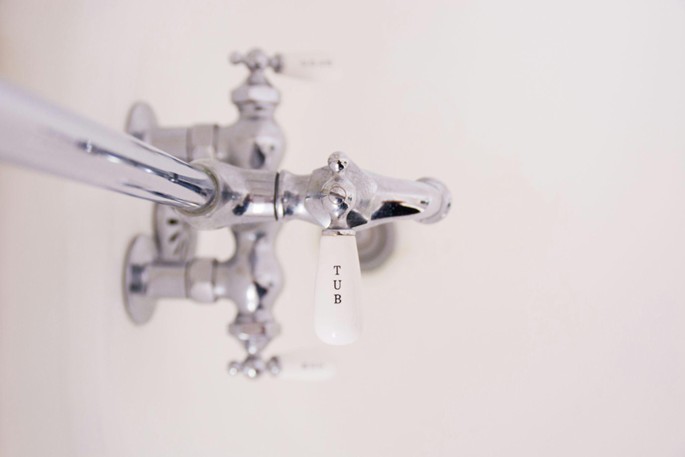
Image from Unsplash
The constant buildup of limescale and mineral deposits causes wear and tear on plumbing fixtures. Faucets and showerheads may develop leaks, while rubber seals and gaskets degrade more quickly due to mineral exposure. This leads to more frequent repairs and replacements.
Showerheads with hard water exposure often experience reduced water pressure and uneven spray patterns due to mineral blockages in the nozzles. Replacing showerheads or soaking them in vinegar can temporarily resolve the issue, but long-term prevention requires addressing the water hardness itself.
How to Prevent It:
- Soak showerheads and faucets in vinegar every month.
- Replace worn-out washers and seals promptly.
- Use high-quality plumbing fixtures designed to resist mineral buildup.
5. Water Heater Issues
Cold showers are a clear sign of water heater problems. Sediment buildup in the tank can reduce heating efficiency and capacity, causing inconsistent water temperature. Over time, this buildup can corrode the tank, leading to leaks and heating element failure.
In tankless water heaters, mineral deposits can clog the heat exchanger, reducing performance and increasing energy consumption. Flushing the system regularly helps maintain efficiency.
How to Prevent It:
- Flush the water heater once a year to remove sediment.
- Test the pressure relief valve regularly.
- Replace the anode rod every 3–5 years to prevent rust.
- Consider switching to a tankless water heater with a built-in scale inhibitor.
6. Burst Pipes
Frozen pipes during winter can expand and burst, causing severe water damage. Older pipes made from materials like galvanized steel or lead are especially prone to cracking. A burst pipe can release hundreds of liters of water in minutes, damaging floors, walls, and electrical systems.
Insulating pipes in cold areas of your home, such as the basement or crawl space, helps prevent freezing. Keeping the thermostat at a consistent temperature and allowing faucets to drip during extremely cold weather reduces pressure buildup and prevents bursts.
How to Prevent It:
- Insulate pipes in unheated areas.
- Keep indoor temperatures above 13°C (55°F).
- Let faucets drip during freezing weather to relieve pressure.
- Replace old pipes with modern materials like PEX or copper.
Prevention and Maintenance
Image from Unsplash
Regular maintenance is key to preventing plumbing issues. Scheduling an annual inspection with a licensed plumber helps identify hidden problems before they escalate. Professional plumbers can also recommend upgrades to improve water efficiency and prevent future issues.
Monitoring your water bill for unexpected increases can help identify leaks early. Installing smart leak detection systems provides real-time alerts when unusual water usage occurs, allowing quick response and minimizing damage. For more expert insights on water hardness and plumbing solutions, check out the U.S. Geological Survey (USGS).
Hard water may seem like a minor inconvenience, but its impact on your plumbing system can be significant. From clogged pipes to inefficient appliances, the effects of hard water increase maintenance costs and reduce the lifespan of your fixtures. Taking proactive measures — like installing a water softener or regularly flushing your water heater — helps prevent these issues. If you suspect hard water problems in your home, reaching out to a professional help ensures your plumbing remains efficient and reliable for years to come.