The Benefits of Preventative Maintenance for Commercial HVAC Systems
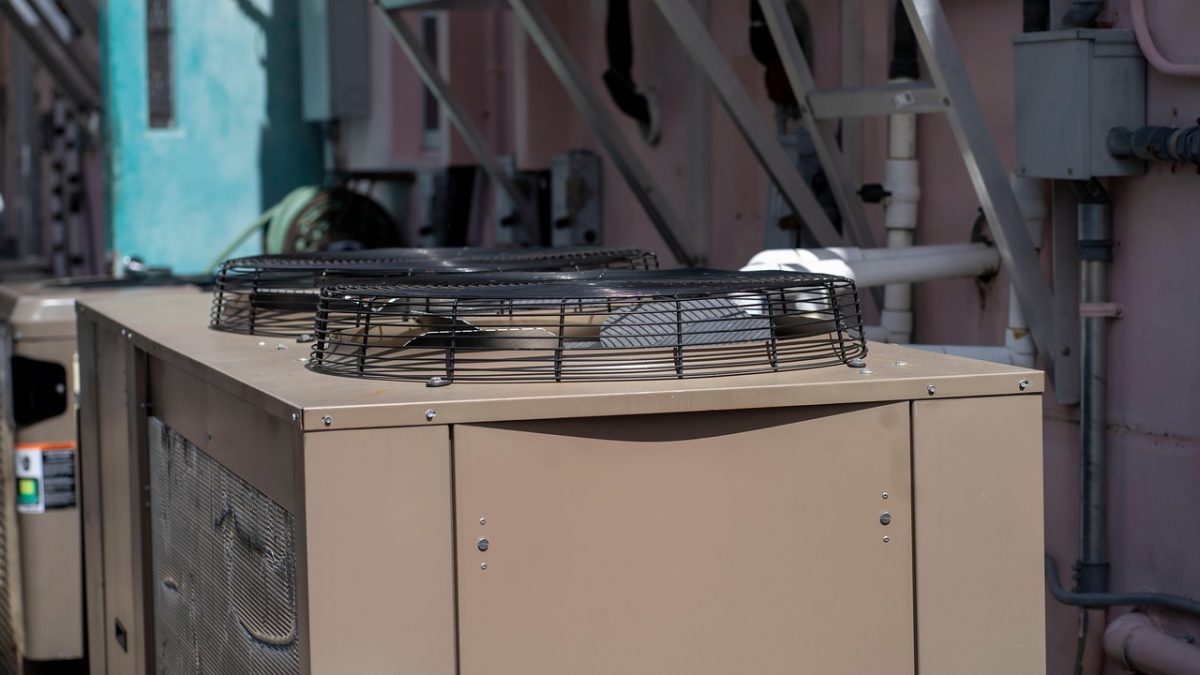
A well-functioning HVAC system is essential for any commercial property, ensuring comfort for employees, customers, and tenants while maintaining a productive environment. However, like any complex mechanical system, commercial HVAC units require regular care to operate efficiently, says Total System Services. Preventative maintenance—scheduled inspections, cleaning, and tune-ups—plays a crucial role in extending the lifespan of HVAC equipment, reducing operational costs, and preventing unexpected failures. Investing in routine maintenance offers numerous advantages that far outweigh the cost of neglect.
Improved Energy Efficiency and Cost Savings
One of the most significant benefits of preventative maintenance is improved energy efficiency. HVAC systems account for a substantial portion of a commercial building’s energy consumption. Over time, dust buildup, worn components, and refrigerant leaks can force the system to work harder, increasing energy usage. Regular maintenance ensures that filters are clean, coils are free of debris, and all components are functioning optimally. This reduces strain on the system, lowering utility bills and helping businesses meet sustainability goals. Studies have shown that well-maintained HVAC systems can operate up to 15-20% more efficiently than neglected ones, leading to substantial long-term savings.
Prevention of Costly Breakdowns
Another key advantage is the prevention of costly breakdowns. Emergency HVAC repairs can be expensive, especially if they occur during extreme weather conditions when demand for service is high. A sudden system failure can disrupt business operations, leading to lost productivity, uncomfortable indoor conditions, and even potential revenue loss for retail or hospitality businesses. Preventative maintenance allows technicians to identify and address minor issues—such as loose electrical connections, refrigerant leaks, or failing motors—before they escalate into major problems. This proactive approach minimizes downtime and avoids the high costs associated with emergency repairs or premature system replacements.
Extended Equipment Lifespan
Extended equipment lifespan is another compelling reason to prioritize preventative maintenance. Commercial HVAC systems represent a significant investment, and businesses naturally want to maximize their return. Routine maintenance helps keep critical components in good condition, reducing wear and tear. Lubricating moving parts, checking refrigerant levels, and calibrating thermostats all contribute to smoother operation and less strain on the system. With proper care, a commercial HVAC unit can last years longer than one that receives only reactive repairs, delaying the need for costly replacements.
Enhanced Indoor Air Quality
Indoor air quality (IAQ) is also directly impacted by HVAC maintenance. Dirty filters, mold growth in ducts, and stagnant water in drain pans can circulate allergens, bacteria, and unpleasant odors throughout a building. Poor IAQ can lead to health complaints, increased sick days, and even legal liabilities in workplaces with strict air quality regulations. Regular maintenance includes cleaning or replacing filters, inspecting ductwork, and ensuring proper drainage, all of which contribute to healthier indoor air. For businesses such as hospitals, schools, and restaurants, maintaining high IAQ is not just a comfort issue but a legal and ethical responsibility.
Compliance with Warranties and Regulations
Finally, preventative maintenance helps businesses stay compliant with warranties and industry regulations. Many HVAC manufacturers require proof of regular servicing to keep warranties valid. Skipping maintenance could void coverage, leaving businesses responsible for full repair or replacement costs. Additionally, certain industries have strict HVAC maintenance standards to meet health, safety, and environmental codes. Routine servicing ensures compliance with these regulations, avoiding fines and legal complications.
Conclusion
Preventative maintenance for commercial HVAC systems is a smart investment that enhances efficiency, reduces operational costs, and ensures reliability. By scheduling regular inspections and tune-ups, businesses can avoid unexpected breakdowns, prolong equipment life, improve air quality, and maintain compliance with industry standards. The relatively small cost of routine maintenance pales in comparison to the expenses and disruptions caused by neglect, making it an essential practice for any commercial property owner or facility manager.