What to Expect During Your First Red Light Therapy Session
Red light therapy has gained traction as a non-invasive wellness method offering potential benefits for skin health, pain relief, and even mood regulation. As this treatment continues to grow in popularity, more people are exploring it for personal use at home or in spas and wellness centers. If you’re about to experience your first session, it’s natural to feel curious—or maybe a little uncertain. Understanding what to expect can make the process feel smoother and more rewarding. Whether you’re interested in improving your skin, supporting muscle recovery, or simply trying something new, this guide walks you through each stage of the red light therapy experience.
Choosing the Right Red Light Therapy Bed
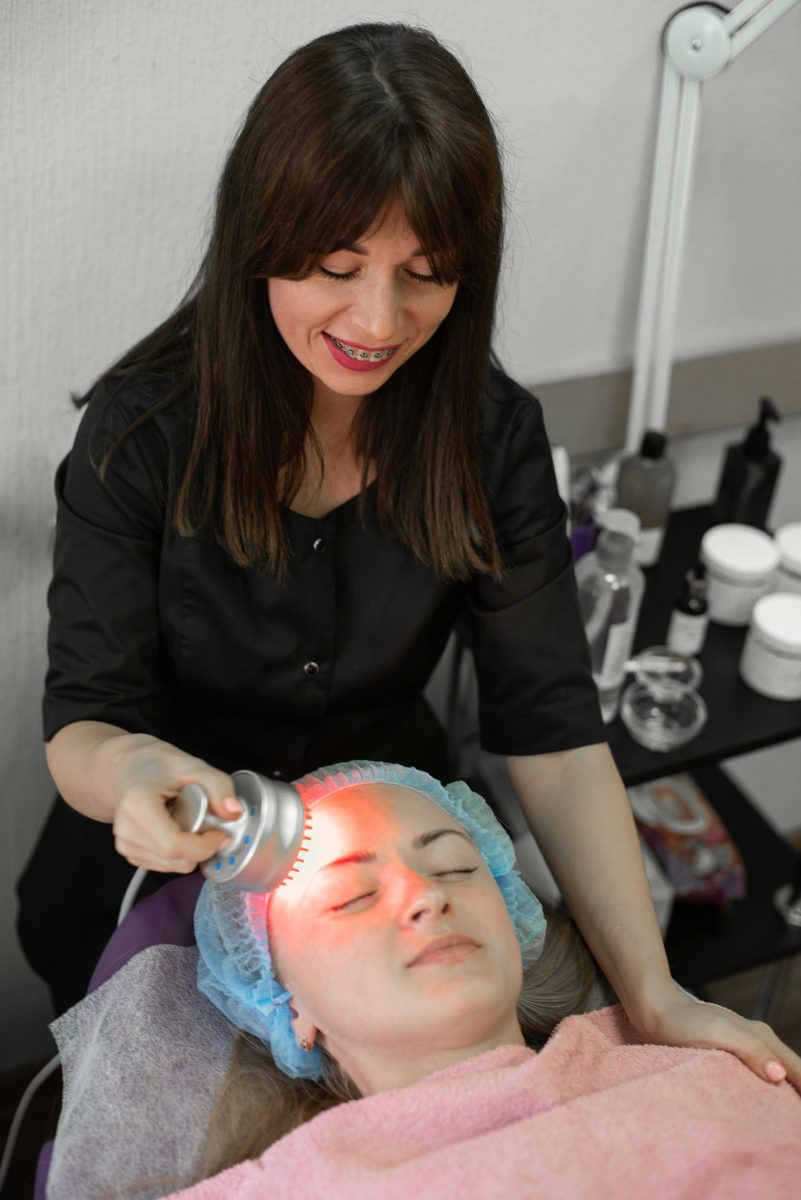
Before you step into your first session, there’s a good chance you’ll need to decide where and how to get it. Some people book appointments at wellness spas, while others explore options for home use. The growing number of products on the market can make shopping for a red light therapy bed feel like stepping into unfamiliar territory. This is where doing your homework becomes valuable—and reading a Red Light Therapy Bed buyers guide can help clarify which features truly matter, from wavelength ranges to session timers and bulb placement. Once you’ve chosen a location or device, you’re already halfway through the process of preparing for your first session.
What to Wear (or Not Wear)
One of the most common questions new users have is about what to wear during the session. The answer depends on your level of comfort and the area you want to target. Some people opt for minimal clothing to expose more skin to the light, while others prefer to wear undergarments or swimsuits. Red light therapy is non-invasive and doesn’t involve UV rays, so full exposure is safe for most users, as long as protective eyewear is worn. Many clinics will provide goggles, and if you’re using a device at home, you’ll want to purchase a reliable pair. It’s best to remove lotions or oils from your skin before the session, as some products may reduce the effectiveness of the light penetration.
Getting Comfortable During the Session
When the session begins, you’ll either lie down in a bed that looks somewhat like a tanning bed or stand in front of a panel, depending on the type of device being used. The red light will emit a warm glow, but it won’t burn or tan the skin. Most people describe the sensation as relaxing, often comparing it to sunbathing in the late afternoon without the heat or UV risk. Sessions typically last between 10 to 20 minutes, depending on the strength of the machine and your personal goals. Some facilities play calming music or offer aromatherapy to make the experience more relaxing, while home users might enjoy the opportunity to zone out with a podcast or audiobook.
What You Might Feel Afterward
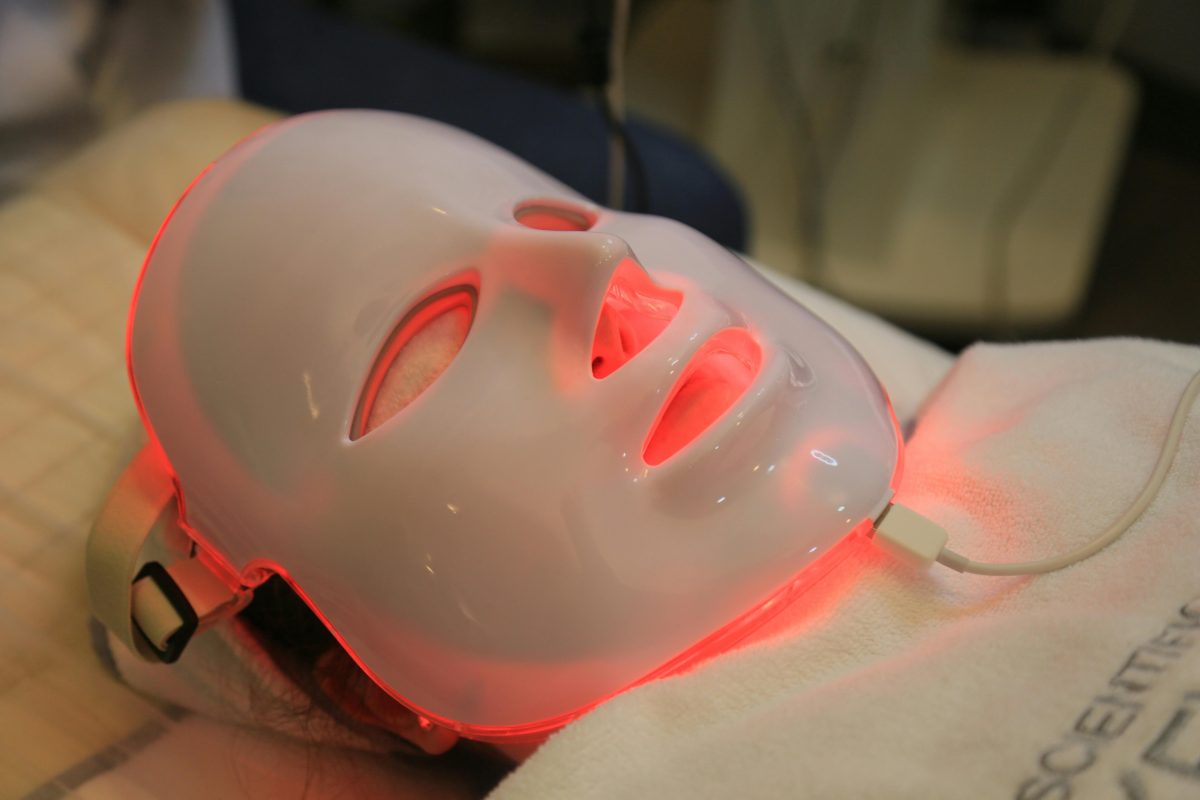
Once your session is over, you may notice your skin feels slightly warm, but there’s usually no lingering discomfort. Some people experience a mild energizing effect, while others feel relaxed or sleepy. If you’re using the therapy to support skin clarity or muscle recovery, those results often take time and several sessions to fully show. Think of it more like a workout routine or skincare regimen—it builds up with consistency. It’s not unusual to feel a subtle mood boost or reduction in tension after a session, especially if you’ve included it as part of a quiet, restorative break in your day.
Frequency and Timing of Future Sessions
The results of red light therapy aren’t instant. Most users begin to see noticeable benefits after a series of sessions over the course of several weeks. Depending on your goals, some wellness centers may recommend starting with three to five sessions per week, then tapering off to a maintenance schedule. If you’re using a home device, you have the flexibility to tailor your schedule based on how your body responds. Some people like to incorporate sessions into their morning routine, while others find it relaxing in the evening before bed. What matters most is staying consistent with your schedule, whether that means using it two or five times a week.
Tracking Your Results
To really understand how red light therapy is affecting you, keeping a simple log can be helpful. Jot down how your skin looks, how your muscles feel, or whether your sleep or energy levels change. Photos taken every few days under the same lighting can reveal progress more clearly than memory alone. Whether your goal is improved skin tone, reduced inflammation, or quicker workout recovery, having a baseline and something to compare against makes it easier to decide if the therapy is working for you. If you’re combining it with other wellness routines, tracking can help identify which approaches are most effective.
Your first session with red light therapy will likely be calm and easy, but the benefits tend to unfold over time. Treat it like a long-term investment in your wellness, not a quick fix. Pay attention to how your body responds, be consistent with your sessions, and make adjustments as needed. With a little patience and routine, red light therapy can become a steady part of your self-care regimen.