The Power in Your Plasma: What to Know Before Getting PRP Injections
So, your knee won’t stop clicking, your shoulder’s throwing a tantrum, or your back just doesn’t want to cooperate anymore—and you’ve heard about something called PRP. Maybe from a friend, maybe during a scroll through injury recovery forums, or maybe your doctor casually dropped it into the conversation.
PRP stands for platelet-rich plasma, and while it sounds a bit sci-fi, it’s actually pretty simple. It’s your blood, just a more concentrated, superhero version of it. And yes—it might just be the missing piece in your recovery puzzle.
But before you book that appointment, it helps to get clear on what PRP actually does, what the process involves, and why clinics like those offering Pittsburgh platelet-rich plasma injections are becoming go-to destinations for people trying to avoid surgery.
Let’s break it down.

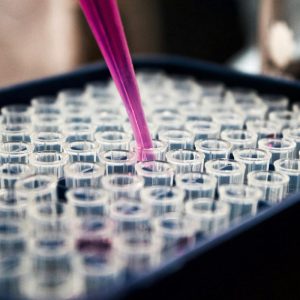
Image by Freepik
What Is PRP, Really?
PRP stands for platelet-rich plasma, which is essentially a turbocharged version of your own blood. Platelets are tiny cell fragments that play a huge role in healing—they rush to the scene when you get injured, clotting blood and releasing growth factors that start the repair process.
Here’s how PRP therapy works:
- Step 1: A small amount of your blood is drawn, similar to a routine blood test.
- Step 2: The blood is placed in a centrifuge, a machine that spins it super fast to separate out the platelets.
- Step 3: Those platelets are then collected and re-injected into the area of your body that needs healing—whether it’s a tendon, joint, or muscle.
Think of it as recycling your own biology to speed up your healing—no foreign substances, no complicated surgeries, just your body doing what it does best with a little extra help.
What Conditions Can PRP Help Treat?
PRP is being used more and more in orthopedics, sports medicine, and even dermatology. But its strongest footing is in treating musculoskeletal conditions—especially those involving inflammation, chronic pain, or overuse.
Some common conditions PRP may help with include:
- Tendon injuries (like tennis elbow or Achilles tendinitis)
- Knee osteoarthritis
- Rotator cuff tears
- Plantar fasciitis
- Chronic lower back pain
- Meniscus or cartilage damage
Some athletes use it proactively, while others turn to it after surgery to speed up healing. For non-athletes? It’s often a welcome alternative to surgery or long-term pain meds.
What to Expect During a PRP Treatment
If you’ve had a flu shot, you’ll be fine. PRP treatments are outpatient procedures that typically take about an hour, and most of that time is spent preparing the injection.
Here’s what a session usually looks like:
- Blood Draw: About 10-30 milliliters of blood will be taken.
- Centrifugation: The blood goes into a centrifuge to isolate the platelets.
- Injection: The concentrated PRP is injected into the targeted area using either ultrasound or fluoroscopic guidance (this just means they use imaging to make sure the injection goes in the right spot).
Mild discomfort during the injection is common, but it’s quick—and you’re usually back on your feet immediately after, though you’ll be advised to take it easy for a few days.
What Happens After the Injection?
This part varies from person to person. Some people feel soreness for a day or two, like a deep bruise. Others don’t feel much at all. But don’t expect a miracle overnight—PRP is a gradual process.
Here’s a general timeline:
- Day 1–3: Mild soreness or swelling at the injection site.
- Week 1–2: The healing process is in motion. Some patients start feeling improvement.
- Week 3–6: Most people report noticeable pain reduction and increased mobility.
- Month 2–3: Maximum benefits usually appear here, especially with follow-up exercises or therapy.
Your provider may recommend avoiding NSAIDs (like ibuprofen) during this time, as they can interfere with the healing signals PRP is trying to amplify.
How Many Sessions Do You Need?
It depends on your condition and your body’s response. For some acute injuries or mild cases, one session might do the trick. Chronic issues or more advanced degeneration might require two or three treatments spaced out over several weeks.
A good provider will assess your progress and adjust the treatment plan accordingly—there’s no cookie-cutter approach when it comes to regenerative medicine.
Is PRP Safe?
Short answer: Yes, especially when done by a skilled professional.
Since PRP uses your own blood, there’s no risk of allergic reactions or disease transmission. The most common side effects are minor and temporary, like soreness or swelling.
The real risk lies in poor technique or inadequate screening. That’s why choosing a clinic with experience in PRP is so important. Some places cut corners on centrifugation, don’t use image guidance, or rush through the process. Those shortcuts can reduce effectiveness—or worse, lead to complications.
What Makes One PRP Clinic Better Than Another?
Not all PRP is created equal. The concentration of platelets, the precision of the injection, and the type of imaging used can all make a big difference in how effective the treatment is.
Here’s what to look for:
- Specialization: Clinics that focus on orthobiologic treatments, like PRP and stem cell therapy, tend to have more refined protocols.
- Imaging tools: Image-guided injections increase accuracy and effectiveness.
- Lab quality: The better the centrifuge and processing equipment, the more potent your PRP will be.
- Experience: Ask how many PRP procedures the provider has done—and for what conditions.
Providers like Regenexx Pittsburgh, for example, offer lab-enhanced PRP with custom protocols tailored to each injury type, using image guidance for pinpoint precision. That kind of approach isn’t the norm everywhere.
Who Should Avoid PRP?
While PRP is safe for most people, there are a few exceptions. You might not be a good candidate if:
- You have a blood disorder or platelet dysfunction
- You’re currently battling cancer
- You have an active infection
- You’re on blood thinners or immunosuppressive therapy
Your provider will go over your medical history and help you decide whether PRP is a smart fit—or if another treatment might work better.
PRP vs. Cortisone: What’s the Difference?
Cortisone shots are the go-to for fast pain relief, but they don’t actually help with healing. In fact, repeated cortisone injections can sometimes weaken tissue over time.
PRP takes a different route. It doesn’t block the pain—it addresses the cause by stimulating healing at the cellular level. So while cortisone may work like a band-aid, PRP acts more like a repair crew.
If you’re looking for long-term benefits rather than a quick fix, PRP is often the better call.
Questions to Ask Before You Get PRP
Before you jump in, it’s worth doing a little homework. Here are a few good questions to ask your provider:
- How many PRP treatments have you performed?
- Do you use ultrasound or fluoroscopic guidance?
- What kind of centrifuge and PRP system do you use?
- What’s your success rate for treating my condition?
- Will I need additional treatments?
Transparency here is key. A knowledgeable provider will walk you through the process, the risks, and the potential benefits without sugarcoating anything.

Image by Freepik
Final Thoughts: Worth the Hype?
For many patients, PRP is a game-changer. It’s minimally invasive, uses your own biology, and often provides relief where other treatments fall short. It’s not magic—but it’s grounded in solid science and real-world results.
If you’re dealing with lingering joint pain, a stubborn tendon, or a soft-tissue injury that just won’t heal, PRP is worth asking about. Especially if you’d rather avoid the scalpel, sidestep long-term medications, and give your body a shot (literally) at doing what it does best—heal.