How to Make Sure a Funeral Reflects the Wishes of the Deceased
Planning a funeral is never easy. The emotional weight, the pressure to get things right, and the desire to respect someone’s memory can feel overwhelming. When someone passes away, their funeral becomes one of the final opportunities to represent their life and beliefs in a public setting. For those left behind, this act is both a tribute and a responsibility. Making sure the service reflects the personality, preferences, and values of the deceased requires thought, care, and often some guidance.
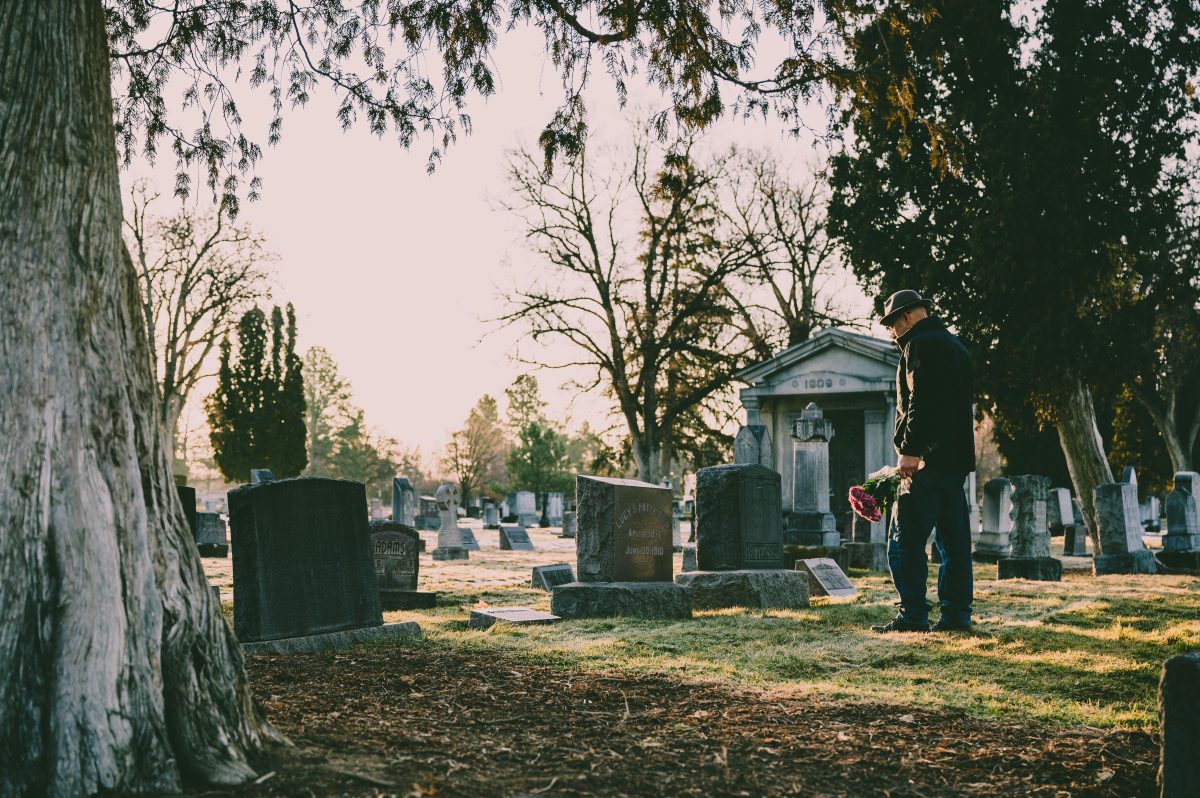
The Role of Professional Services in Honoring Final Wishes
Relying on experienced professionals can bring clarity during a difficult time. Funeral directors and staff often have years of experience guiding families through the planning process. They understand the legal requirements, help manage logistics, and provide advice grounded in compassion and practicality. One way families can stay aligned with the desires of their loved ones is by working with providers like Restland, whose team listens closely and tailors services with sensitivity and attention to detail. A trusted funeral home can coordinate various elements, from preparing the body according to religious or cultural customs to arranging transportation, permits, and service logistics. These professionals help avoid mistakes and oversights that might otherwise occur when emotions are running high. They can also mediate between family members who may have different interpretations of what the deceased might have wanted.
Open Conversations Before Death
Clear communication is one of the simplest and most effective ways to make certain someone’s preferences are respected. Families that talk about end-of-life wishes ahead of time are often better equipped to plan a funeral that truly mirrors the deceased’s personality and values.
These discussions don’t have to be heavy. Casual, honest conversations over dinner or during life events can gradually form a picture of what someone would like. Whether it’s a preference for cremation over burial, a favorite song to be played, or a list of people they’d like to speak with, small details matter. Keeping notes or writing down instructions can help those left behind avoid second-guessing during a painful period.
Cultural and Religious Traditions
Honoring customs rooted in one’s faith or heritage can offer deep comfort and a sense of continuity. Different cultures have distinct ways of mourning and celebrating a life. From multi-day ceremonies to quiet, intimate gatherings, traditions shape how a life is acknowledged and remembered.
Understanding the spiritual or cultural context of the deceased can help guide decisions about attire, music, rituals, and prayers. This might mean involving clergy, elders, or community leaders who can ensure that nothing is overlooked. Respecting these traditions reflects not only the individual but their wider sense of belonging.
At times, families may be unsure about certain funeral practices, especially if the deceased held mixed beliefs or didn’t speak openly about their background. In those moments, it helps to reach out to extended family or cultural organizations that can provide clarity and suggestions. This outreach can prevent unintentional missteps and help preserve the integrity of the ceremony.
Personalizing the Ceremony
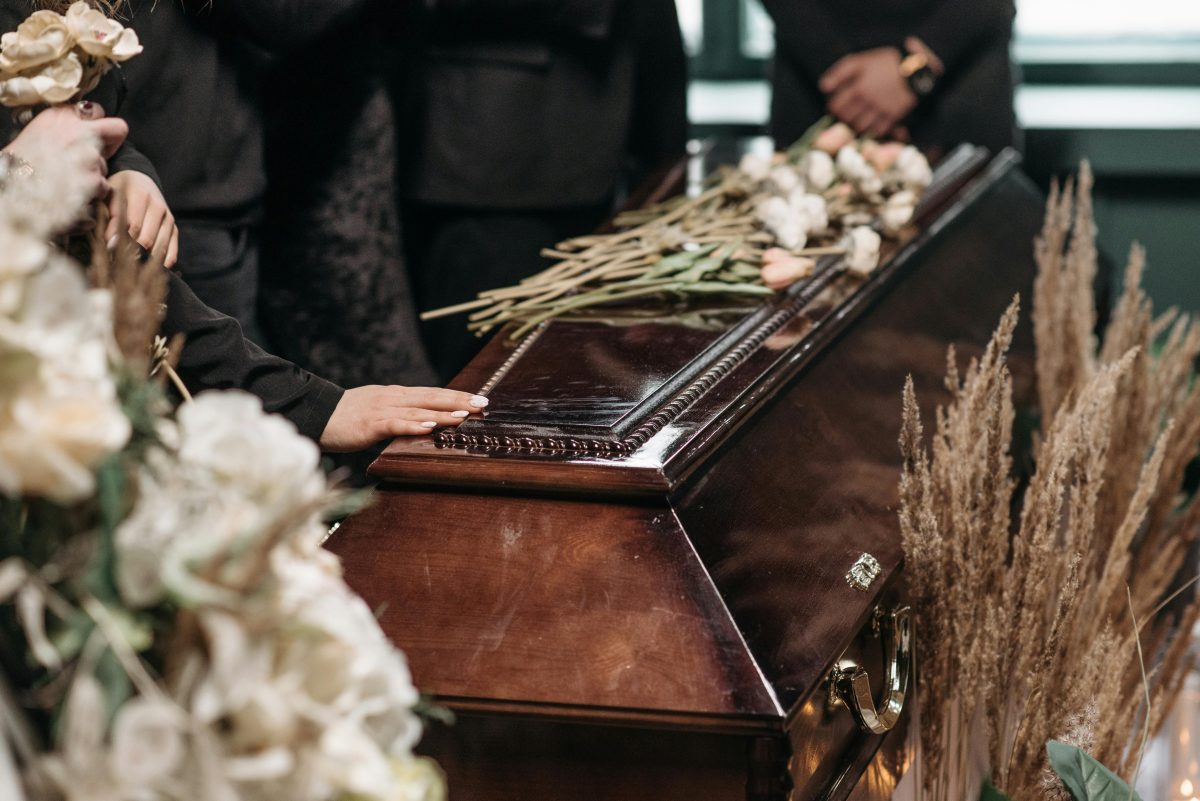
A meaningful funeral often includes personal touches that go beyond tradition. These elements tell a story and help guests connect emotionally to the person being remembered. A favorite poem, a cherished piece of music, or a collection of photos can stir memories and bring a sense of warmth and authenticity to the gathering.
Some families choose to display items that were significant to the deceased — artwork, books, sports memorabilia, or tools from a lifelong trade. Others might organize an open mic for guests to share memories, or play a slideshow that highlights moments from all stages of life.
Personalization doesn’t have to be elaborate. What matters is whether it reflects something true. A simple gesture, such as giving out the person’s favorite candy or serving their go-to meal at the reception, can make the event more intimate and heartfelt.
Involving Family and Friends in the Planning
When multiple people contribute to planning, it spreads the responsibility and allows more voices to be heard. Each person may remember something different or offer insight into a particular part of the deceased’s life — hobbies, career, friendships, beliefs.
Group planning sessions can be emotional but productive. They offer a space for shared memories and allow participants to shape the service in a way that feels collaborative rather than controlled by a single perspective. Making decisions as a group — choosing the readings, deciding on a location, selecting music — helps to create a fuller picture of who the person was.
This approach also prevents some of the tension that can arise when decisions are made in isolation. It encourages compromise and can reduce regret later by making the process more inclusive.
Each life is different, and each funeral should be, too. By listening to what was said during life and noticing the small things that made someone unique, families can shape a service that doesn’t just mourn a passing, it honors a presence.