From Office Desks to Airplane Seats: Why Healthy Furniture Matters
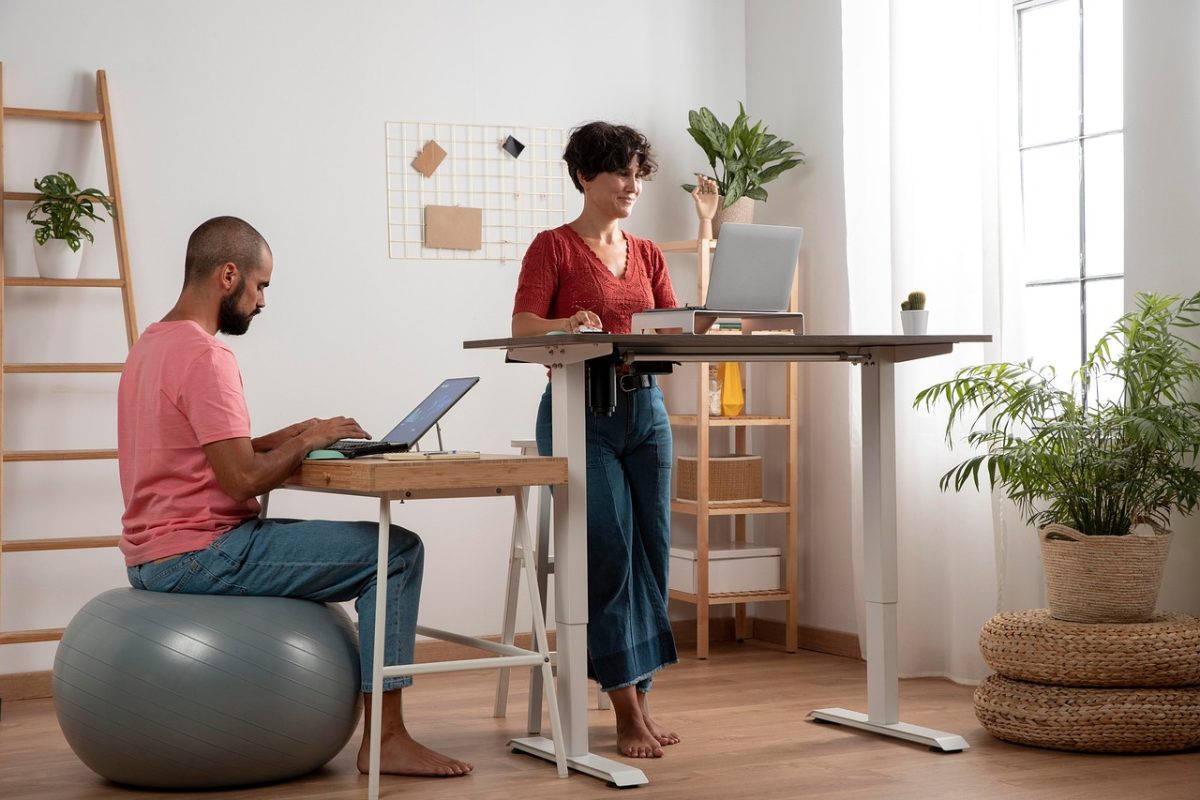
We live much of our lives in contact with furniture. At home, at work, during long flights or rushed lunches—we sit, lean, recline, and rest. And we rarely stop to think about what that furniture is doing to us.
This article isn’t about minimalist design or the sleekest new chairs. It’s about how furniture influences our health—spinal health, blood circulation, breathing, energy levels, mental focus, even digestion. It’s about the subtle, cumulative effects of the surfaces and supports we use daily. A plush couch may sound inviting, but is it quietly twisting your hips? That stylish bar stool? It could be setting your lower back on a slow collision course with discomfort.
Let’s break down the furniture we take for granted—from the office to our kitchens, train stations to hospital wards—and explore how design choices shape how we move, rest, eat, and heal.
Ergonomics at Work: Where Health Meets Productivity
The Rise of the Standing Desk
Sitting is the new smoking. At least, that’s been the buzz over the past decade. In response, standing desks have surged into offices and home workspaces alike. They promise improved posture, better blood circulation, and even a slight uptick in calorie burn. And for many, the difference is real—less stiffness, more alertness, fewer aches after a long day.
But standing all day comes with its own challenges. Calf strain, foot pain, and fatigue set in without adequate cushioning or movement. Standing still is not the same as being active. The healthiest users shift positions, take breaks, and alternate between sitting and standing throughout the day.
Chairs That Fit the Spine, Not Just the Office
Most mass-produced office chairs are designed for looks and affordability—not alignment. A truly supportive chair contours to your spine’s natural curve, offers adjustable armrests, and has depth settings for different leg lengths. Too many chairs offer a one-size-fits-none solution, leaving workers hunched, slouched, or perching on the edge in silent rebellion.
Research into back health suggests that seat depth, not just backrest shape, is crucial. If your knees hang over the edge or are jammed against the front, your posture will suffer. Likewise, armrests that are too high or low can strain the shoulders and neck. And yet, many of us are handed a chair and told, “This will do.”
Remote Work and the Couch Trap
The pandemic ushered in a new furniture hazard: the kitchen chair turned office chair. The couch became the boardroom. Dining tables became makeshift desks, often with hard seats and no back support. What started as a temporary fix became a long-term problem.
Spending hours in these setups can compress spinal discs, reduce circulation, and fatigue core muscles. Slouching becomes a default posture. Without ergonomic support, productivity may not visibly decline, but tension headaches and lower back pain creep in.
Domestic Comfort vs. Long-Term Pain
Sofas Built for Collapse
Soft doesn’t mean supportive. That overstuffed sectional may feel like a cloud, but over time it invites poor posture. Sinking deep into a cushion can round your lower back and tilt your pelvis forward, placing strain on your spine. Most people don’t sit upright on sofas—they sprawl, twist, or slump, especially during long TV sessions.
Over months or years, these patterns may lead to tight hip flexors, weakened core muscles, and even nerve impingement. Sofa design rarely considers spinal alignment, but perhaps it should.
Beds and the Back: Beyond Firm vs. Soft
Choosing a mattress is often reduced to “firm” or “plush.” But the real concern is how the mattress supports your natural spinal curve while you sleep. Too soft, and your hips sink too far. Too hard, and pressure builds on the shoulders and knees. Side sleepers, back sleepers, and stomach sleepers all require different levels of support and alignment.
Pillow height also plays a role. A misaligned neck during sleep can cause more pain than a bad chair. Some newer mattresses use zones—firmer under the hips, softer under the shoulders—to accommodate body shape. Others include cooling layers to reduce tossing and turning, promoting deeper rest.
Kids’ Furniture: Growing with the Body
Children are especially vulnerable to poor furniture design. Small desks with fixed heights may cause children to hunch or stretch awkwardly. Over time, this can affect vision, concentration, and posture development. Studies have linked poorly fitted furniture to scoliosis, early onset back pain, and even restlessness or reduced classroom engagement.
Adjustable desks and chairs that grow with a child’s body can reduce these risks. Yet many schools still use uniform setups, ignoring height variation or ergonomic needs entirely.
Planes, Trains, and Car Seats
Economy Class and Compression Risk
Flying economy means packing into a seat barely large enough for an average adult. Legroom is minimal. Lumbar support is nearly nonexistent. After a few hours, your lower back feels pinched, your neck cranes forward, and your feet swell from inactivity.
Extended flights carry health risks beyond discomfort. Deep vein thrombosis (DVT) becomes a concern when circulation is compromised. Some airlines have introduced adjustable footrests or better seat cushioning, but cost and space constraints often limit innovation. Business class may offer lie-flat beds—but what about the rest of us?
Train and Bus Seating
Train and bus seats tend to prioritize durability and cleanability over comfort. Straight backs, short seats, and immobile headrests can create long-lasting strain on the spine and shoulders. Reclining options are often shallow or fixed.
Even on commuter routes, riders may spend upwards of two hours per day in these chairs. Over time, that adds up to serious misalignment—especially for those already dealing with postural issues or chronic pain.
Car Design: Posture on Wheels
Drivers spend hours behind the wheel each week. Yet most car seats have inadequate lumbar support and promote slouched positions. Add in the angle of the foot on the gas pedal, and it’s a recipe for uneven hip stress.
After-market lumbar cushions and seat angle adjustments can help. Some vehicles now include posture-correcting features and memory settings. But in older cars, ergonomic fixes are often DIY efforts.
Bars, Restaurants, and the Furniture We Endure
Bar Stools Without Footrests
That sleek bar stool may look good on Instagram, but if there’s no footrest, your legs will dangle. Over time, that can lead to numbness, poor circulation, and hip discomfort. It also encourages shifting or slouching as the body tries to compensate.
Worse, many bar stools lack back support altogether, making it harder to sit upright for any stretch of time. A quick drink? Fine. A full dinner? Not so much.
Restaurant Furniture and Lingering
Dining is social, sensory, and often slow. But if the chairs are too hard or the backs too straight, people don’t linger. Comfort influences everything from digestion to mood to tip size.
Restaurant furniture can shape how long we sit, how we feel after a meal, and whether we return at all. Subtle curves, proper leg space, and material choices all affect whether the body feels supported—or silently sore.
Accessibility and Inclusion in Public Seating
Not all bodies are the same size or have the same needs. Yet many public dining spaces ignore accessibility. High stools exclude elderly guests and wheelchair users. Narrow aisles block mobility aids. Heavy chairs are hard for some patrons to move.
Design that considers a range of body types—pregnant, disabled, plus-sized—makes spaces more welcoming and usable. And that starts with rethinking how we define “standard seating.”
Public and Medical Spaces: Where Design Meets Recovery
Hospital Furniture: Healing vs. Holding Patients
Hospital beds are expected to support recovery—but they often fail to prioritize comfort. Thin mattresses and stiff elevation mechanisms can create pressure sores or back pain. Patients already in distress may sleep poorly or shift awkwardly just to get some relief.
Visitor chairs are another overlooked detail. Long waits in rigid plastic chairs can add to the emotional and physical strain of hospital visits. More supportive seating can help visitors stay longer and feel less drained.
Libraries, Airports, Courthouses
We sit in these places for hours, often without thinking. But poorly padded airport benches, backless library stools, and stiff courtroom pews can turn long waits into exhausting trials of endurance.
Some libraries and airports are beginning to adapt, adding lounge chairs, power outlets, and ergonomic seating. But progress is uneven—and many public spaces still operate on outdated models of design.
Designing for the Body We Actually Have
We interact with furniture more than we interact with almost any other object in our daily lives. Yet much of it still treats the human body as a single shape, posture, or lifestyle. Healthy furniture isn’t one style or material—it’s contextual. It depends on what we’re doing, how long we’re doing it, and what our bodies need to function well during and after.
As awareness grows, we’re seeing a shift toward personalization, mobility, and health-aware design. Chairs that remind you to move. Desks that change height. Seating that welcomes—not punishes—every kind of body.
Next time you sit down, don’t just ask “Is this comfortable?” Ask: “Is this supporting me?” You might be surprised at the answer.