How Social Workers Step Up In Times of Emergency
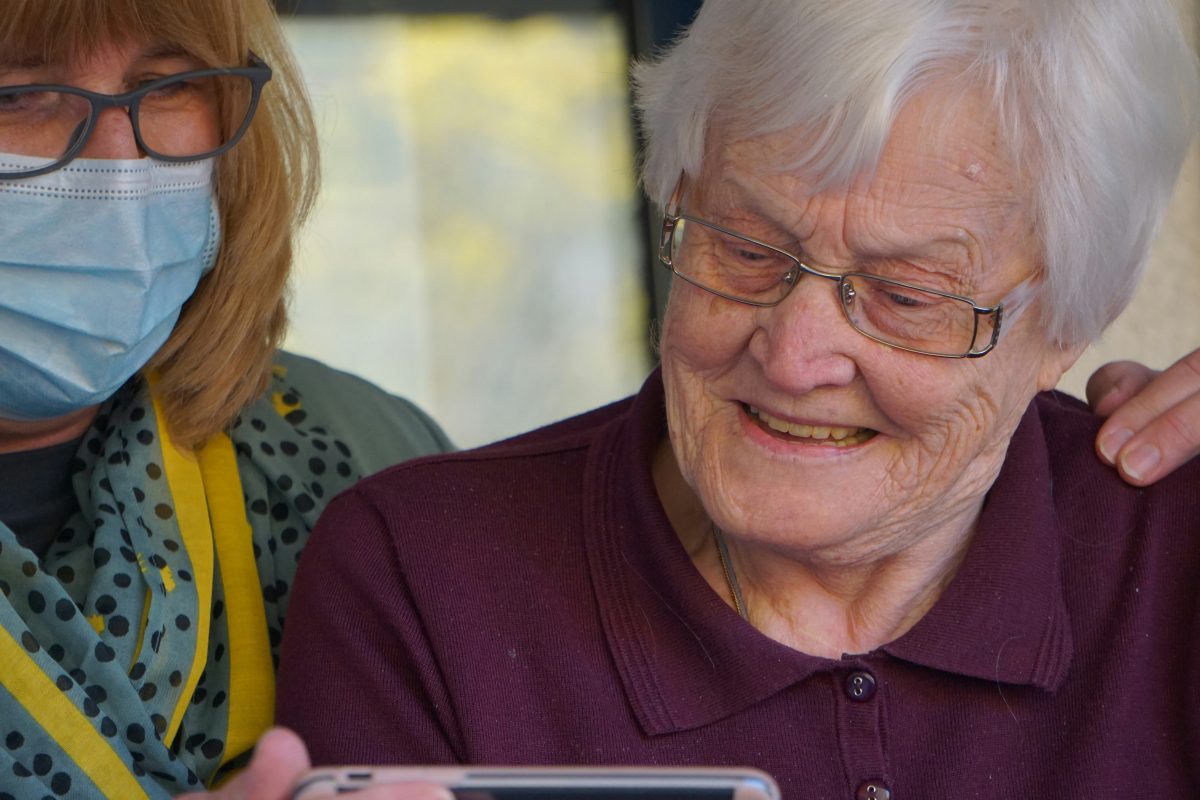
With the recent devastating wildfires in Los Angeles, it’s more important than ever to recognize social workers and how they contribute during times of emergency. They are often referred to as the unseen heroes of disaster relief.
Social workers play a critical role during and after natural disasters. Whether it be from devastating wildfires or floods that displace thousands, social workers are vital in providing immediate relief and long-term recovery.
The Los Angeles wildfires may have seen social workers who have graduated from MSW programs in California step up and help people in need. They would have provided aid in terms of emotional support, helping people find emergency shelter, and providing resources.
This article will highlight how the often unseen heroes—social workers—step up in times of emergency. It’ll also celebrate the profession for the role they play in immediate crisis response and long-term relief.
Finding housing/emergency shelter
Social workers play a critical role when it comes to connecting individuals in need with housing and shelter during a time of crisis. They do this through identifying the individual’s needs, connecting them with emergency shelter and/or accommodation options, and advocating for their needs.
Along with connecting patients with emergency housing programs, social workers also play a role in financial assistance. This includes helping clients access financial support, like government benefits or grants, to cover the temporary housing costs.
Social workers also provide more than just immediate relief. They can provide ongoing support to those in emergency housing, preparing them for long-term success through helping organize services like job training and counseling.
Research also suggests that there’s a link between social support, like social workers, and housing retention among adults who have experienced homelessness. It shows that formal social support plays a huge role in the success of stable housing outcomes.
Emotional support
Statistics show that nearly one-third of people affected by a natural disaster may experience negative mental health consequences. This can include anxiety, depression, and post-traumatic stress disorder (PTSD).
The importance of mental health services and assessments following a natural disaster cannot be understated. After a disaster, even if someone is initially coping well, they can experience delayed onset psychological impairments, which can grow in severity over time.
Immediately after following a crisis and for weeks after, social workers provide crucial emotional support, which can help alleviate the psychological impacts of an emergency or disaster. They can also provide affected individuals with useful mental health-related resources for the future.
Overall, social workers play a massive role in mental health throughout the country, providing about 60% of the mental health services in the US.
Help securing financial assistance
Not all crisis services are free. Emergency housing and shelters can potentially cost money, which is where social workers come in and can provide assistance with securing financial assistance.
Social workers can secure financial assistance for individuals and families, especially in emergencies, by connecting them to various government programs. Many government-funded programs aim to help people in need but can be hard to access and navigate without professional help.
Social workers act as a bridge, helping guide people through the process to access financial assistance. They can help identify eligibility for programs, complete the necessary paperwork, and lodge applications.
Coordinating medical care
Social workers also play a key role in care coordination, especially during times of crisis. They can work as a liaison between medical services and people, connecting people with the right care and communicating care preferences.
Studies have also shown that social workers, because of their training in mental health and understanding of systems navigation, are well poised to improve patient health outcomes. They can help with assessing patients’ nonmedical issues and linking them to the appropriate resources.
Social workers help coordinate care on multiple levels. This includes case-level coordination, such as exchanging important information and referrals between the patient and the provider(s) part of their care team.
The profession also plays a vital role in patient education. Along with assessing issues and linking individuals to the right resources, they can also provide information and educate patients and their families regarding their condition and treatment.
Social workers on the front line
During natural disasters and crises, social workers are often on the frontline as part of the immediate response team alongside emergency responders. They play a crucial role in providing crisis intervention and reducing the psychological impact of an adverse event.
Despite the vital role social workers play, however, people usually think of immediate response teams only consisting of professions like paramedics or firefighters. Social workers are often overlooked and deserve more recognition and praise.