Why You Shouldn’t Skip Your Dental Cleanings?
An estimated 7% of the global population aged 20 years or older suffers from complete tooth loss, according to the World Health Organization (WHO).
The high prevalence of tooth loss and other dental issues is surprising, considering that such problems are well preventable. One way to curb the rise in dental conditions is by keeping up with your regular dental cleaning appointments.
In this post, we highlight the reasons why you should never skip your scheduled dental cleanings.

Image by Veronica Bosley from Pixabay
What Are Dental Cleanings?
A dental cleaning is a routine dental procedure designed to remove the two most common causes of dental issues – plaque and tartar. It’s more formally known as a prophylaxis.
While dental cleaning is a non-invasive procedure, it’s best performed by a licensed and board-certified dentist.
During a typical prophylaxis, your dentist will start by visually inspecting your mouth for obvious signs of disease. They’ll establish the presence of symptoms that may impact the success of the cleaning exercise, including oral lesions and gum inflammation.
If no such signs exist, your dentist will use special instruments like scalers to remove plaque and tartar deposits. These materials are first scraped away from your teeth’s surface and then dislodged from the spaces between teeth.
Having said that, you should always opt for an experienced, local, certified doctor near you for the best results. For example, if you reside in Levittown, you should choose the best dentist levittown, PA, like the one in White Hill Dental.
White Hill Dental, located in Levittown, PA, offers expert care in Cosmetic and Family Dentistry, Orthodontics, and Pediatric Dentistry. From enhancing smiles to providing gentle care for children, this all-in-one dental practice caters to patients of every age with a focus on comfort, quality, and lasting results.
Reasons You Shouldn’t Skip Your Dental Cleanings
1. Minimizes Tooth Decay
Tooth decay is caused primarily by the unchecked build-up of plaque and tartar, both on the tooth’s surface and in the spaces between teeth.
Plaque is the whitish, acidic film that forms on your teeth due to poor oral hygiene. If allowed to accumulate unchecked, this substance can wear away at the tooth enamel and lead to cavities.
Plaque can harden into tartar if neglected long enough. This is where dental problems become more severe, as tartar cannot be removed by normal oral hygiene practices like brushing and flossing.
Keeping up with your dental cleaning appointments is the most effective way to manage plaque and tartar build-up. Your dentist will carefully scrape these materials off your teeth, minimizing the risks of tooth decay.
2. Prevents Tooth Loss
As hinted, most dental problems spring from the accumulation of plaque and tartar.
Some of the common effects of plaque build-up include gingivitis and periodontitis. Both conditions are marked by a gradual deterioration of gum health.
If unmanaged, gingivitis and periodontitis can eat away into the gum tissues holding your teeth in place. This eventually causes the teeth to dislodge from the adjacent bone and fall out.
Fortunately, you can minimize the risks of tooth loss through regular dental cleanings. These appointments provide your dentist with an opportunity to forestall tooth loss by treating early warning signs of gum disease.

Image by Michal Jarmoluk from Pixabay
3. Reduces Bad Breath
Bad breath (halitosis) can ruin what could have been an excellent date night or client meet up.
Although many people choose to address halitosis by brushing and flossing, these oral practices only provide a temporary solution to the condition.
Attending dental cleanings treats halitosis by targeting the root cause. By cleaning your teeth of plaque and tartar, your dentist eliminates the debris that provides an excellent breeding ground for halitosis-causing bacteria.
The effect? Healthy teeth and fresh breath.
4. Improves Overall Health
Multiple studies have established a close interplay between oral hygiene and overall health.
Poor oral hygiene is a risk factor for various chronic illnesses, including diabetes, heart disease, and respiratory issues. Ignoring oral hygiene can also impact your digestive health and diminish the bioavailability of essential nutrients.
Besides, symptoms of certain systemic conditions can manifest in the mouth. A case in point is HIV, which is known to produce oral lesions.
Going for regular dental cleanings can help detect the early warning signs of various conditions, including non-oral ones. Depending on what your dentist uncovers, they may recommend follow-up tests to rule out the presence of an underlying disease.
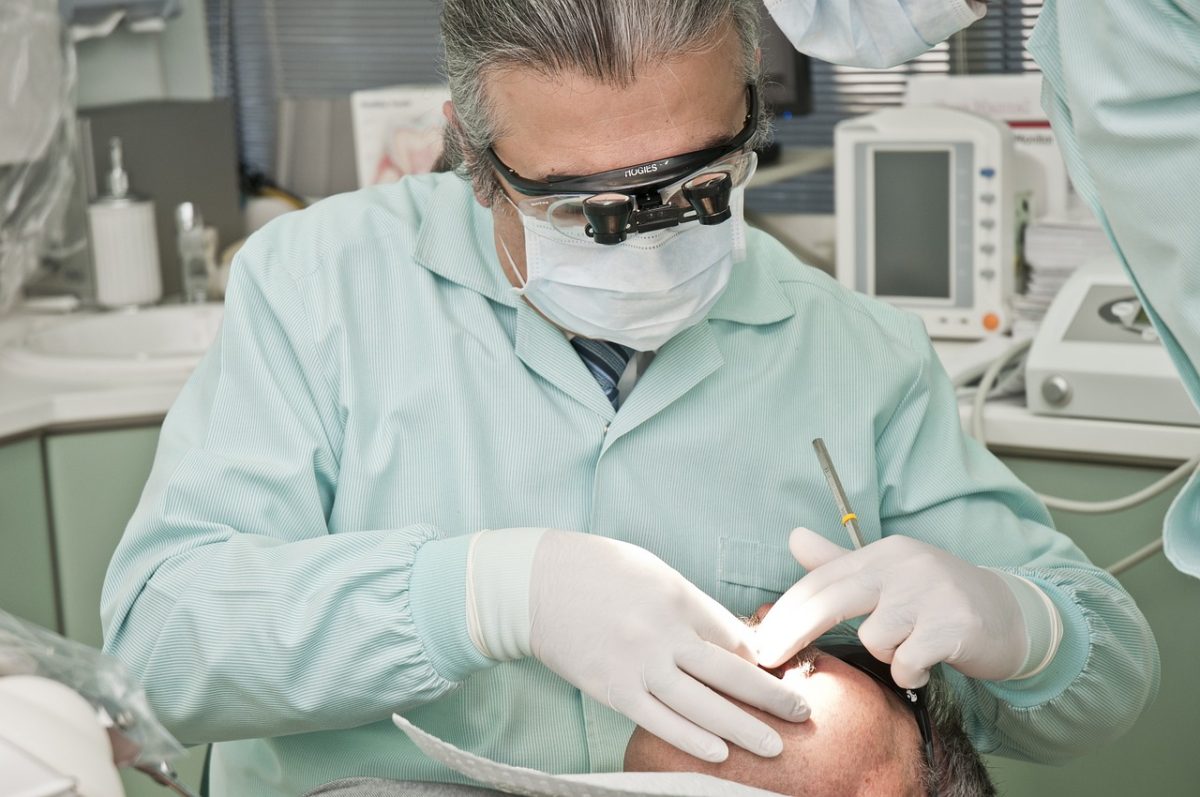
Image by JOSEPH SHOHMELIAN from Pixabay
5. Manages Treatment Costs
The idea of going for regular dental cleanings may sound expensive, as each appointment comes at a cost. However, these treatments can save you money in the long run.
Routine dental clean-ups help to uncover and treat underlying medical issues in their earlier developmental stages. Addressing these conditions before they escalate enables you to save on huge treatment costs.
Besides, regular dental cleaning reduces the risk of hospitalization. This further minimizes financial losses due to missed work.
6. Boosts Your Self-Esteem
Oral and dental hygiene can impact your smile and, consequently, your self-esteem.
Most people with discolored, chipped, or missing teeth tend to suppress their smile for fear of being judged. The situation is worse for image-conscious individuals or those who work in careers that place a premium on looks, such as modeling and television anchoring.
Dental cleanings can brighten your smile by preventing plaque and tartar from tarnishing your teeth’s appearance.
A wholesome smile is the cornerstone of social interactions. It boosts your confidence by making you less conscious of your own image.