From Start To Sold: A Guide To Successfully Selling Your Mobile Home
Selling a mobile home is a unique process that differs in several key ways from selling a traditional house. Whether it’s located in a mobile home park or on private land, understanding the ins and outs of the sale process can help you maximize value and minimize hassle. From setting the right price to navigating inspections and paperwork, a strategic approach can make all the difference in turning your property from “for sale” to “sold.” If you’re preparing to sell your mobile home, this guide walks you through every critical step, ensuring a smooth, successful transaction.

Understand Your Home’s Legal Classification
Before you begin, determine how your mobile home is classified, as personal property or real estate. If the home is not permanently affixed to land you own, it may be considered personal property, more like a vehicle than a house. This affects how you sell, transfer ownership, and handle taxes.
In many states, mobile homes titled as personal property require a bill of sale and a title transfer similar to a car. If your home is on land you own and legally considered real estate, you’ll need to follow traditional real estate procedures. Understanding this distinction upfront helps you plan your next steps correctly and avoid delays in closing.
Know Your Selling Options
There are multiple paths to selling a mobile home, and the best option depends on your timeline, financial goals, and comfort with paperwork.
Selling to an investor can be a fast and easy route, though often at a discounted price. For example, Palatka mobile home sale solutions and related services assist sellers with pricing, paperwork, marketing, and buyer matchmaking tailored to the local market. Sellers benefit from local programs that specialize in helping with mobile home sales.
Assess The Condition And Make Value-Boosting Repairs
First impressions matter in competitive markets. Take a critical look at your mobile home’s condition and make necessary repairs before listing. Focus on issues that could raise red flags for buyers or appraisers, such as roof leaks, soft flooring, broken HVAC units, plumbing leaks, or water damage.
Cosmetic upgrades go a long way. A fresh coat of paint, new flooring, updated fixtures, or refreshed landscaping can significantly increase perceived value without requiring major investment. Even simple tasks like decluttering, deep cleaning, and staging can make your home feel more inviting. Buyers often use condition as leverage in price negotiations. A well-maintained home gives you the upper hand.
Determine The Right Price
Setting the right asking price is one of the most critical elements of a successful mobile home sale. Price too high, and you may scare off potential buyers. If the price is too low, you leave money on the table. Mobile homes typically depreciate over time unless the land is included in the sale, so it’s important to research market trends.
Use online valuation tools specific to manufactured homes, consult real estate agents experienced in mobile home sales, or consider a professional appraisal. Be sure to account for factors like the year, size, and model of the home, its condition and upgrades, the location and community amenities, and whether the land is included. Strategic pricing can create a sense of urgency and attract more offers.
Prepare For Park Requirements Or Zoning Laws
If your mobile home is located in a park or on leased land, the park’s management may have specific requirements for the sale. These can include notifying management of your intent to sell, requiring buyers to apply and qualify for lot rental, and complying with community rules for signage and showings.
Be proactive and clarify these requirements early. Some communities even have “first right of refusal,” allowing the park to match or counter buyer offers.
If your home is on private land, be aware of local zoning laws and property use restrictions that may affect the sale or future buyer use.
Market Strategically And Show Effectively
Effective marketing attracts the right buyers. Use high-quality photos that showcase the home’s best features, including the kitchen, bathrooms, living space, and exterior. List your home on mobile home-specific websites, social media platforms, and community bulletin boards.
Write a compelling description that highlights value-adding features like new appliances, updated HVAC, or proximity to local schools and shopping. Be honest but optimistic in your tone, buyers appreciate transparency.
When showing the home, aim for a clean, well-lit environment. Consider holding open houses or offering virtual tours to expand your reach.
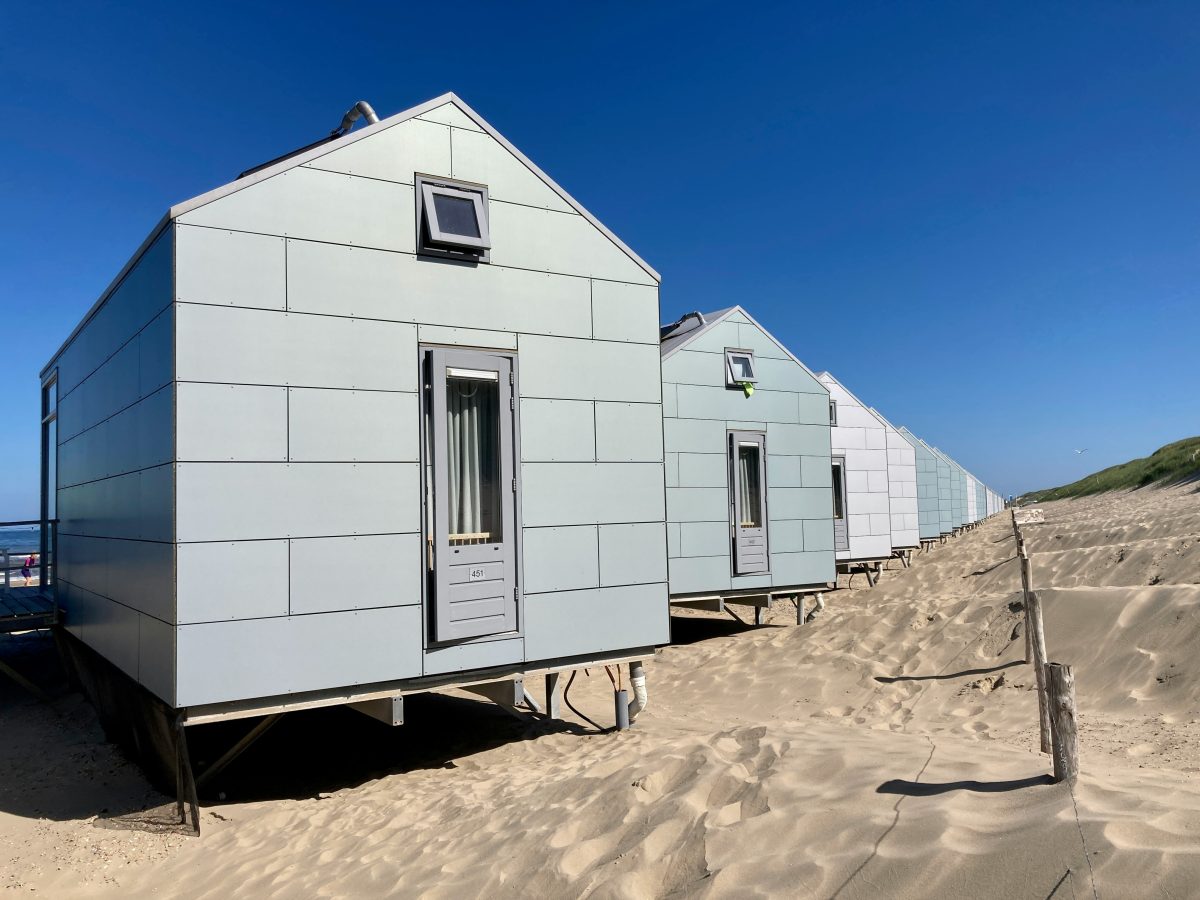
Selling a mobile home doesn’t have to be stressful, especially when you approach it with clarity and preparation. From understanding your legal classification and setting the right price to managing park rules and organizing your paperwork, each step builds a stronger path to a successful sale. Local services can provide valuable guidance when navigating this specialized market. With the right strategy and support, you can turn your mobile home into a sold success and move forward with confidence.