How SEL Activities Build Emotional Intelligence in Students?
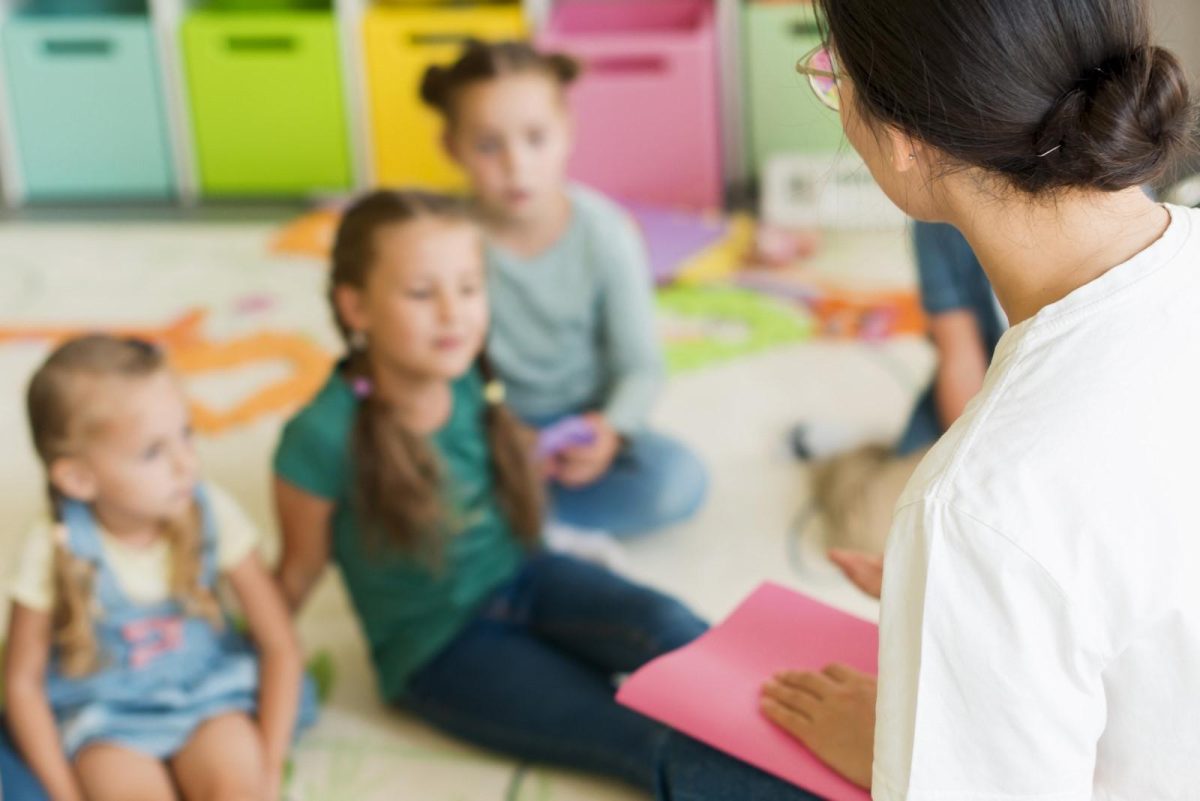
Picture your students handling problems with kindness, coping with stress in peaceful ways and sharing ideas confidently.
This is what Social and Emotional Learning (SEL) can achieve.
Including SEL activities in your classroom helps students develop emotional intelligence, which supports their success in school and in life. By engaging in these activities, students develop an understanding of their emotions, learn to reach out to others and make responsible choices.
Students need SEL as much as they need any other subject.
If you begin to use these strategies in your teaching, you’ll notice a shift in the classroom and a positive impact on your students’ lives.
With that said, let’s discover how SEL activities build emotional intelligence in students.
1. Enhances Self-Awareness
Integrating SEL activities such as daily emotion check-ins helps primary students recognize and name what they’re feeling. Children experience emotions in their lives, but they often do not fully understand them.
Be it drawing how they feel, using emotion cards, or participating in group discussions, these activities enable them to express fundamental psychological concepts.
Learning about happiness, sadness, anger, and nervousness helps them understand the triggers of these emotions. This self-evaluating process enables children to understand themselves, which is crucial on the path to developing emotional intelligence.
By teaching learners to identify their feelings, students become able to manage their emotions constructively and ask for assistance appropriately. Gradually, children learn to understand themselves better, which increases their social confidence.
Through consistent SEL practice, students develop the ability to understand their emotions and mature into emotionally aware adults.
2. Improves Self-Regulation
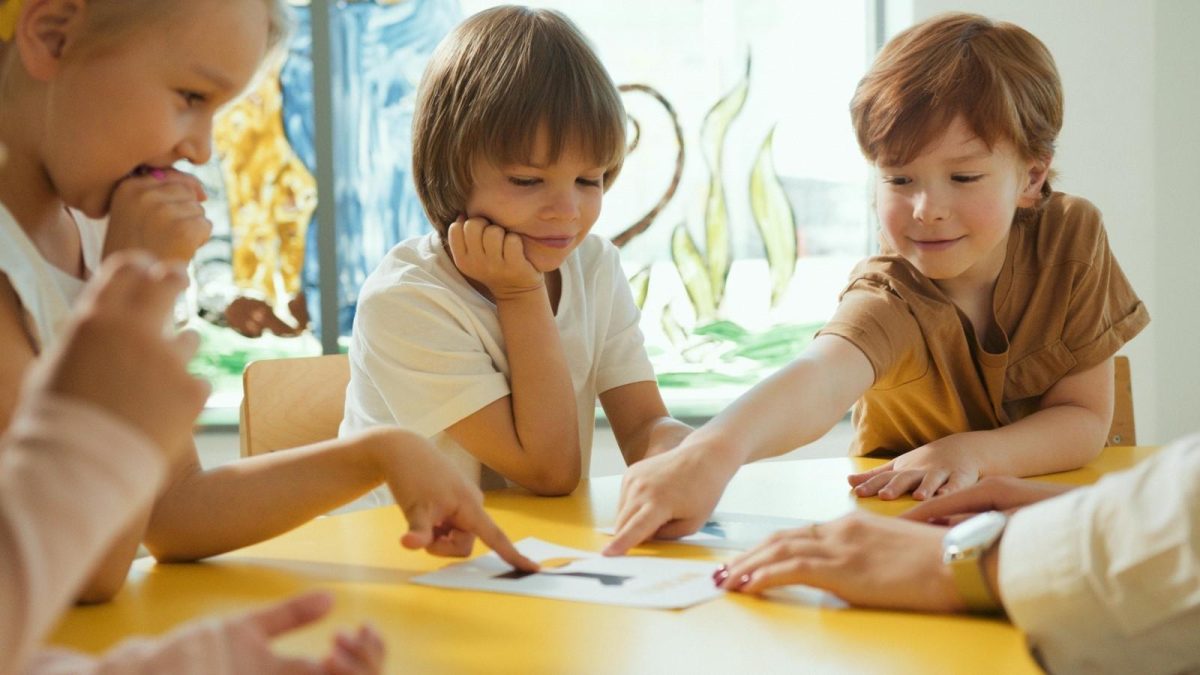
By incorporating SEL activities into your lessons, you teach primary students how to manage their emotions, which helps them develop self-regulation skills.
Young children tend to respond impulsively because they do not know how to stop and think before acting. By teaching calming techniques, such as deep breathing, counting to ten, or simply going to a “calm-down corner,” you equip them with the means to manage their reactions in stressful situations.
Mindfulness games, guided relaxation, and movement breaks can help students identify that they are overwhelmed and select appropriate coping strategies. As these techniques are modeled and reinforced, students start employing them on their own.
This fosters a more focused learning environment, reducing classroom disruptions.
Moreover, students are better able to follow instructions and control their emotions over time. Self-regulation skills, though essential, are often overlooked. Developing the skills of managing reactions while supporting problem-solving enables responsive relationships, thus enhancing academic achievement.
3. Encourages Empathy
When you focus on SEL activities that help understand someone’s feelings, you help the children develop empathy, which is an important part of emotional intelligence.
Primary students are inquisitive by nature, and you can use that trait to cultivate compassion. Through storytelling, role-playing, or discussing real-life situations, you help them consider what someone else might feel in a particular situation.
For instance, when a character in a book feels left out, you can pose the question, “How would you feel if that happened to you?” Such conversations enable students to empathize emotionally with others’ experiences.
By encouraging students to listen to their classmates and different views, you enhance their ability to be kind, offer assistance, and settle disputes amicably.
Gradually, students begin to care about the impact of their actions on other people. When you nurture empathy in your students, the classroom becomes a better place in terms of acceptance, respect, and support for everyone.
4. Boosts Social Skills
By incorporating Social Emotional Learning (SEL) activities that focus on interaction, you help young learners develop crucial social skills.
During this stage of their lives, children are still trying to learn how to cooperate, share, and solve problems together. Involving them in group projects, partner play, or cooperative games allows them to work on these skills. Children can also learn turn-taking, listening, and many more.
Additionally, you can demonstrate how to handle disagreements respectfully, and inviting friends into the game can also be modeled. These activities help students learn to appreciate the needs and feelings of others while learning self-expression.
Over time, students will gain confidence in their interactions, and you will notice improved collaboration, reduced disagreements, and stronger relational bonds between the students.
With your guidance, students understand that collaboration is necessary just as much as accomplishing goals individually.
5. Promotes Responsible Decision-Making
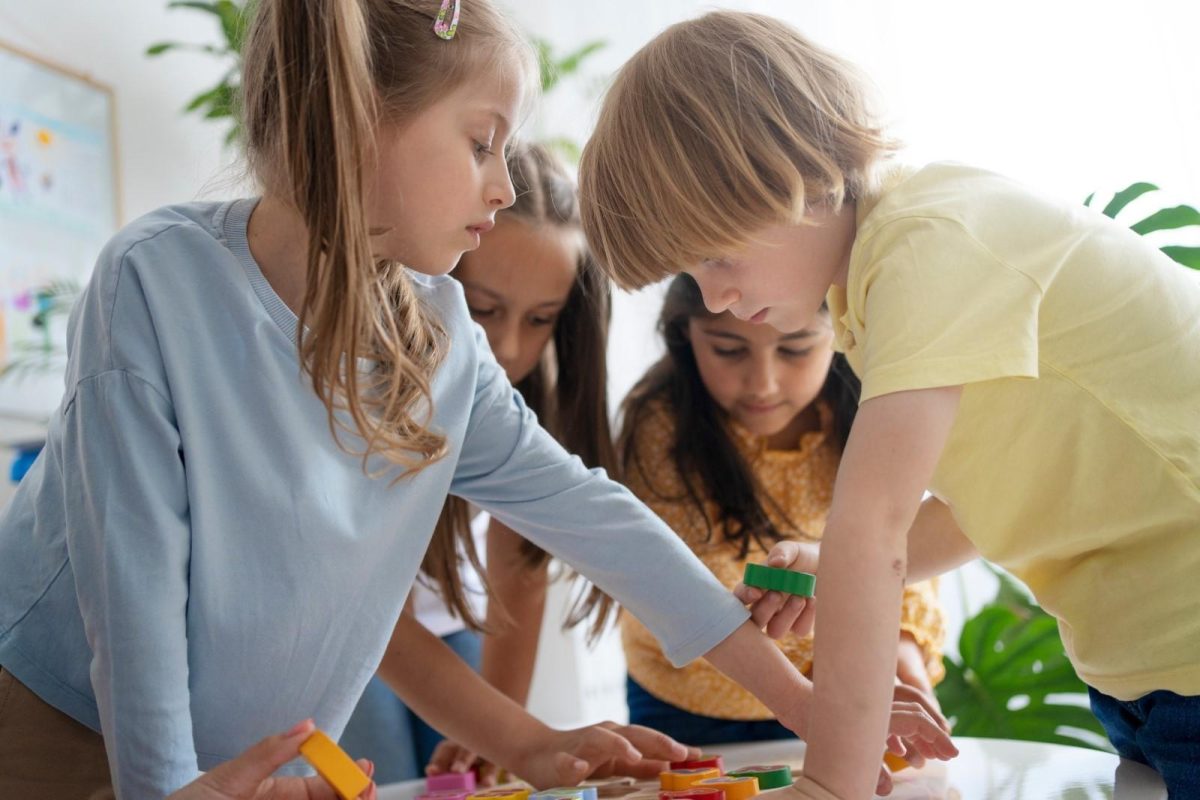
The SEL activities dealing with choices and consequences aim to help primary students cultivate responsible decision-making skills.
At this age level, children begin to appreciate the basic idea that they have an impact on others, although they often require assistance in thinking things through.
Through scenarios, stories, or simple ‘what would you do’ questions, tell them to think about different outcomes before acting. Help them begin to evaluate options and how their decisions will impact rules, fairness, and kindness within the given context.
Eventually, the children start to make positive choices because they learn what is right, not simply to avoid consequences.
With support, the students learn how to be accountable by accepting responsibility for their actions, acknowledging mistakes, and using proactive thinking. These minute, day-to-day choices nurture effective problem-solving alongside ethical thinking for years to come. Your active modeling and reinforcement of these concepts are crucial for helping the students grow.
Conclusion
By weaving SEL activities into your teaching, you’re not just helping primary students learn—they’re developing emotional intelligence that will shape their entire lives. You’re empowering them to understand themselves, manage their feelings, connect with others, and make thoughtful decisions.
These skills create a positive classroom culture where every child feels valued and supported. As you continue to nurture their social and emotional growth, you’re setting them up for success both in school and beyond.
Remember, the small moments of guidance you provide today build the confident, empathetic leaders of tomorrow. Your role is truly transformative.