The Role of Planetary Geology in Sustainable Space Exploration

When we talk about going back to the Moon or sending astronauts to Mars, the conversation usually centres around rockets, budgets, and bold new missions. But there’s a quieter, often overlooked piece of the puzzle that’s just as crucial to the success of space exploration: the rocks.
Yes – rocks. Or more broadly, planetary geology.
Understanding the makeup of other worlds isn’t just a scientific curiosity – it’s the foundation for how we’ll live, work, and build off Earth. As we plan for a future of Moon bases, Mars habitats, and maybe even asteroid outposts, planetary geology is what will help make those dreams sustainable. And as it turns out, it’s also tightly linked to one of the most talked-about frontiers in space: space mining.
Why Geology Matters in Space
Geology might not get as much spotlight as rocket science, but when it comes to exploring other planets, it’s absolutely essential. On Earth, geology helps us locate water, energy resources, and building materials. It also guides us in understanding where it’s safe – or unsafe – to build and live. In space, those same principles apply, but the stakes are even higher.
Let’s say we want to build a permanent outpost on the Moon. We need to know:
- Where can we find water ice?
- Is the ground stable enough to build on?
- Are there useful materials we can use for construction or fuel?
Planetary geologists study the landscapes, mineral compositions, and histories of celestial bodies to answer exactly these kinds of questions. They examine features like craters, lava plains, and ancient riverbeds to figure out not only what’s there now, but what might’ve been there in the past – like water, or even early life.
That’s why geology matters. From building habitats and mining resources to simply figuring out where a rover should drive, it all starts with understanding the ground. Geology gives us the tools to explore smartly, use what’s there, and avoid costly mistakes. Without it, we’d be guessing – and in space, guessing can be dangerous.
Space Mining and Sustainable Exploration
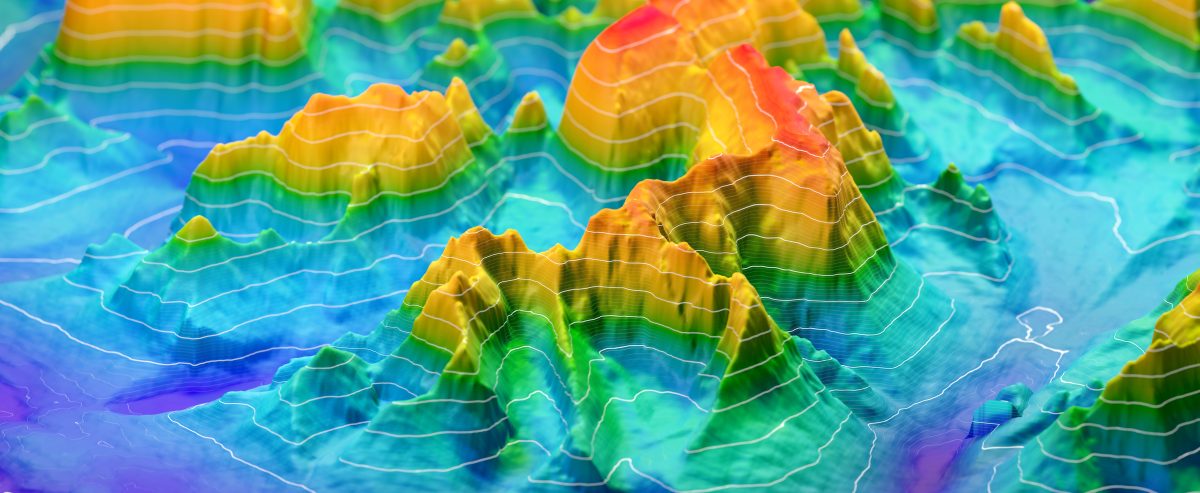
The idea of space mining often conjures up images of futuristic drilling rigs floating in space, extracting precious metals from giant asteroids. While that future might still be decades away, the groundwork is already being laid.
Several asteroids – and parts of the Moon and Mars – are rich in elements like iron, nickel, and even rare earth metals. Mining these materials could reduce the need to haul everything from Earth, which is both costly and inefficient. Even extracting water from lunar ice could be a game-changer, since water can be broken down into hydrogen and oxygen for rocket fuel.
But here’s the catch: we need to do it responsibly.
Mining in space without understanding the long-term impact could damage fragile extraterrestrial environments before we even understand them. That’s why sustainable practices, guided by planetary geology, are so important. We’re not just digging for resources – we’re shaping the future of space settlement.
What “Sustainability” Actually Means in Space
On Earth, sustainability is often about reducing pollution, protecting ecosystems, and ensuring we don’t use up resources faster than they can be replenished. In space, those same principles apply – but with some unique challenges.
Take the Moon, for instance. It has no atmosphere or magnetic field, so its surface is directly exposed to solar radiation and micrometeorites. That makes it incredibly sensitive to disruption. Even a small mining operation could alter its environment in ways we don’t yet fully understand.
Mars presents similar issues, along with the added complexity of a thin atmosphere and potential underground water. If we want to explore or even live there someday, we need to know how our presence will affect the planet – and how to minimize that impact.
That’s why organisations like COSPAR (the Committee on Space Research) have policies in place to prevent contamination, both biological and environmental. These planetary protection guidelines help ensure that our exploration doesn’t compromise future scientific discoveries – or pose a risk when we bring materials back to Earth.
Learning from Earth to Protect Other Worlds
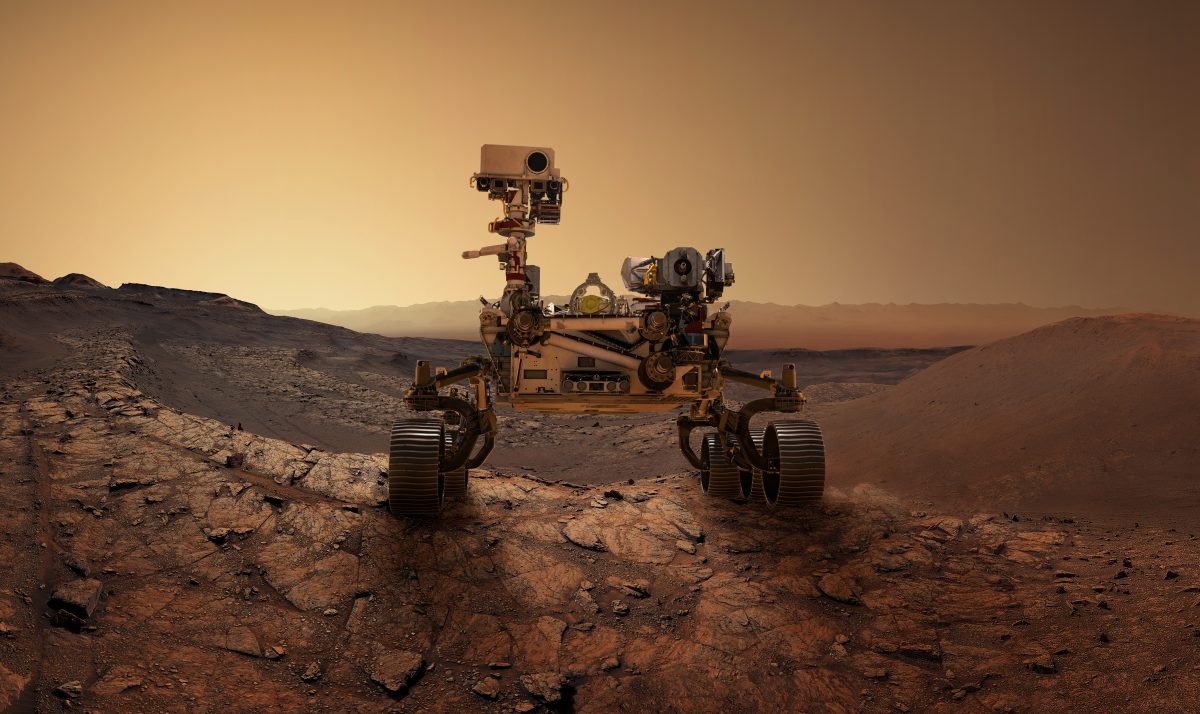
There’s a lot we can learn from our own history. Civilisations throughout time have either thrived or collapsed based on how they treated their environment. The Aral Sea, once one of the world’s largest lakes, is now a dry shell of its former self due to unsustainable water use. We’ve seen what happens when resources are mismanaged.
As we venture beyond Earth, we have a rare opportunity: to get it right from the beginning.
The same technologies that support sustainability in space – like closed-loop life support systems, efficient energy use, and precise remote sensing – can also improve life back on Earth. That’s the beauty of it. By protecting the Moon or Mars, we’re also developing solutions that can help us tackle climate change, resource scarcity, and environmental degradation at home.
Expanding the Definition of Space Sustainability
Most current space sustainability efforts focus on things like orbital debris and satellite crowding around Earth. But it’s time to expand that definition. The Moon, Mars, and even asteroids are no longer off-limits – they’re active parts of our exploration plans.
Sustainable exploration means:
- Respecting planetary environments (beyond just avoiding germs)
- Using resources wisely and ethically
- Developing policies that protect both science and future settlements
And yes, that includes space mining. Not as a free-for-all, but as a carefully managed effort grounded in planetary science and environmental stewardship.
The Ground Beneath Our Boots – Even in Space
As we gear up for Moon missions, Martian bases, and asteroid surveys, it’s easy to get swept up in the thrill of exploration. But let’s not forget that every step we take in space lands on geology. And how we “treat” that geology – how we study it, extract from it, and coexist with it – will determine the long-term success of our journey beyond Earth.
Planetary geology isn’t just a scientific niche. It’s the roadmap for building a future in space that lasts – and doesn’t repeat the mistakes of the past.
Because no matter if we’re talking about space mining or long-term lunar settlements, one thing is clear: sustainability starts from the ground up.