Lockers at Work? Here’s Why Your Office Should Have Them
As workplace design evolves, functionality, security, and employee well-being are now more than just considerations; they’re expectations. Open office layouts, hybrid schedules, and shared spaces have transformed how employees interact with their environments. One solution that continues to rise in popularity, often overlooked for its simplicity, is the implementation of lockers in the workplace.
More than just metal compartments tucked in a corner, modern workplace lockers now serve multiple roles. They provide secure storage, foster personal accountability, support flexible working models, and enhance organizational aesthetics. As companies rethink how space is used, lockers have become not just a convenience but a strategic investment.

Lockers Encourage a Clean, Clutter-Free Environment
A tidy office isn’t just more pleasant, it improves productivity and professionalism. Personal belongings left on desks, loose cords, and cluttered corners quickly disrupt the visual and functional flow of a space. An environment free of distractions promotes focus and leaves a positive impression on visitors and clients.
That’s where lockers come in. By offering a designated space to store personal items, employees are more likely to keep shared work areas clean and efficient. This is especially important in hot-desking environments where no single person claims a permanent desk. Whether it’s for laptops, bags, gym clothes, or lunch containers, having a secure place to stash belongings encourages better workspace habits.
Workplace lockers support cleaner common areas. In break rooms and reception spaces, lockers prevent a buildup of unattended items, contributing to an orderly atmosphere that reflects company culture.
Modern Lockers Provide Smarter Security Options
Security in the workplace doesn’t stop with front-door access control. Employees want assurance that their belongings are safe, especially in shared or semi-public office environments. Traditional lockers may get the job done, but organizations looking for long-term, efficient solutions should explore smart lockers for the office, which bring automation and tech integration into the equation. These lockers offer benefits like touchless entry, digital keypads, app-controlled access, and real-time tracking.
They eliminate the need for physical keys and simplify management for office administrators, making it easy to reassign units, audit use, and handle forgotten PINs without friction.
Beyond individual use, smart lockers are ideal for deliveries and asset exchanges. From IT equipment to interdepartmental materials, they provide a secure way to facilitate contactless handoffs, a useful function for hybrid and remote teams.
They Foster a Sense of Personal Ownership
Even in collaborative workspaces, employees value having a place to call their own. Personal lockers offer a sense of stability and privacy in otherwise fluid environments. Employees can customize their locker space, store important items, and maintain routines even when their physical desk changes daily.
This sense of personal ownership promotes trust and autonomy. Employees feel more respected when their need for secure, designated space is acknowledged. In turn, this can enhance satisfaction, reduce stress, and contribute to a more engaged workforce.
Lockers are a thoughtful addition in organizations where employees wear uniforms or use special gear. Being able to store and access items conveniently can streamline daily routines and help workers transition in and out of roles more efficiently.
A Perfect Fit for Hybrid and Activity-Based Work Models
As more companies embrace hybrid and activity-based working (ABW), locker systems are proving to be an ideal match. In flexible spaces where desks are not permanently assigned, lockers become the anchor that provides continuity. Employees may work in different zones or even from different locations throughout the week, but their locker remains a reliable constant.
This flexibility supports better space utilization. When lockers are integrated into entryways, hallways, or other underused spaces, they maximize square footage without disrupting workflow. Some companies even use modular locker systems that can be moved or reconfigured as needs evolve.
The adaptability of lockers makes them a long-term investment that aligns with the fluid nature of today’s workplace strategies.
Lockers Contribute to Brand Identity and Design
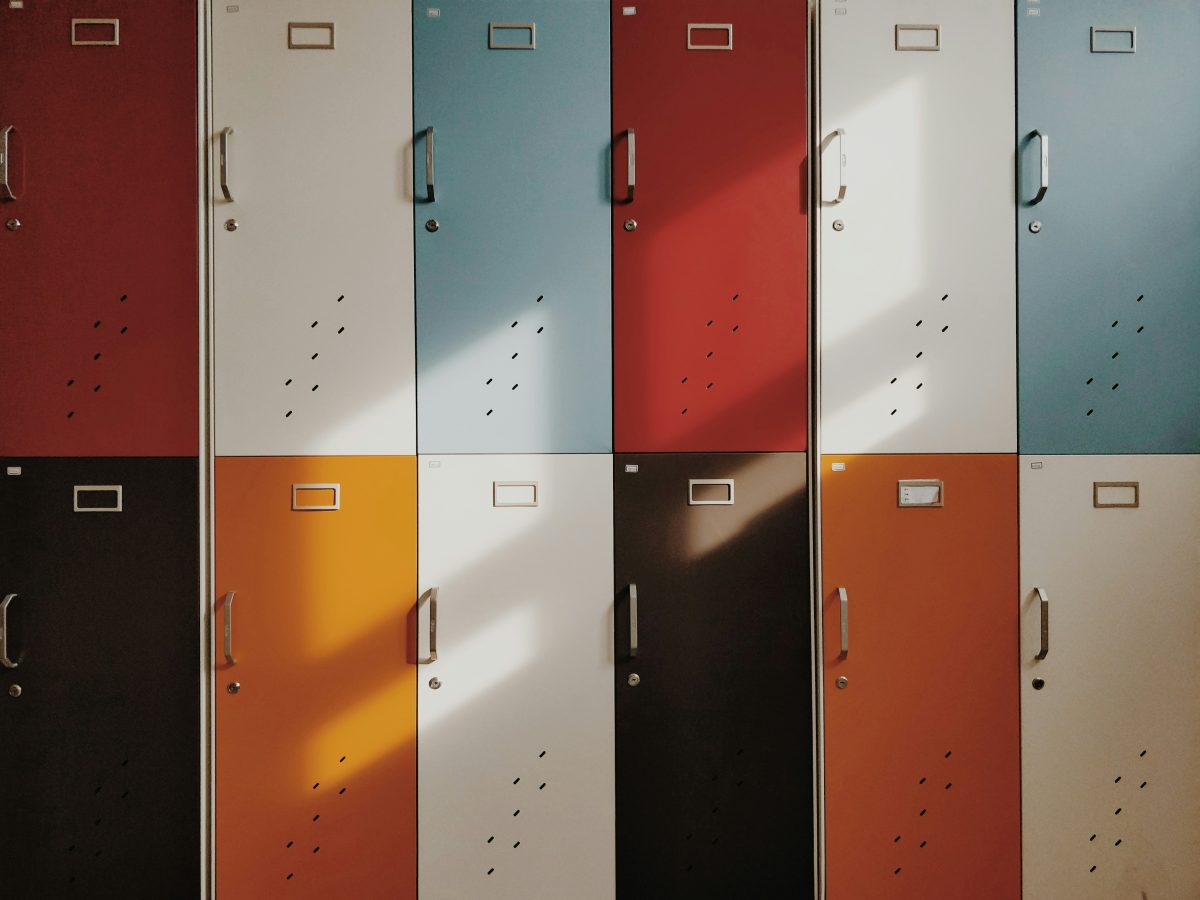
Workplace aesthetics go far beyond paint color and office furniture. The integration of design-forward locker systems can add to a company’s visual identity while still serving a practical purpose. Sleek finishes, customizable materials, and modular designs make it easy to match lockers with an office’s architecture and branding.
From minimalist white cabinets that blend into modern tech offices to warm wood finishes that complement co-working spaces, lockers can be both functional and visually appealing. Thoughtful locker placement can even help define different zones in open-plan layouts, offering natural partitions without building full walls.
Companies that prioritize a cohesive and attractive environment will find that lockers no longer need to be hidden in utility rooms; they can be proudly featured as part of the design.
Lockers are no longer just a convenience, they’re a smart solution for the dynamic demands of today’s workplaces. From promoting cleanliness and security to enhancing flexibility and design, they serve a broad range of functions that support both employees and operations.
As organizations adapt to new ways of working, investing in lockers, especially smart, customizable options, can pay off in improved workflow, happier teams, and a space that works as hard as the people in it.