Understanding Excavator Parts: A Guide for Equipment Owners and Operators
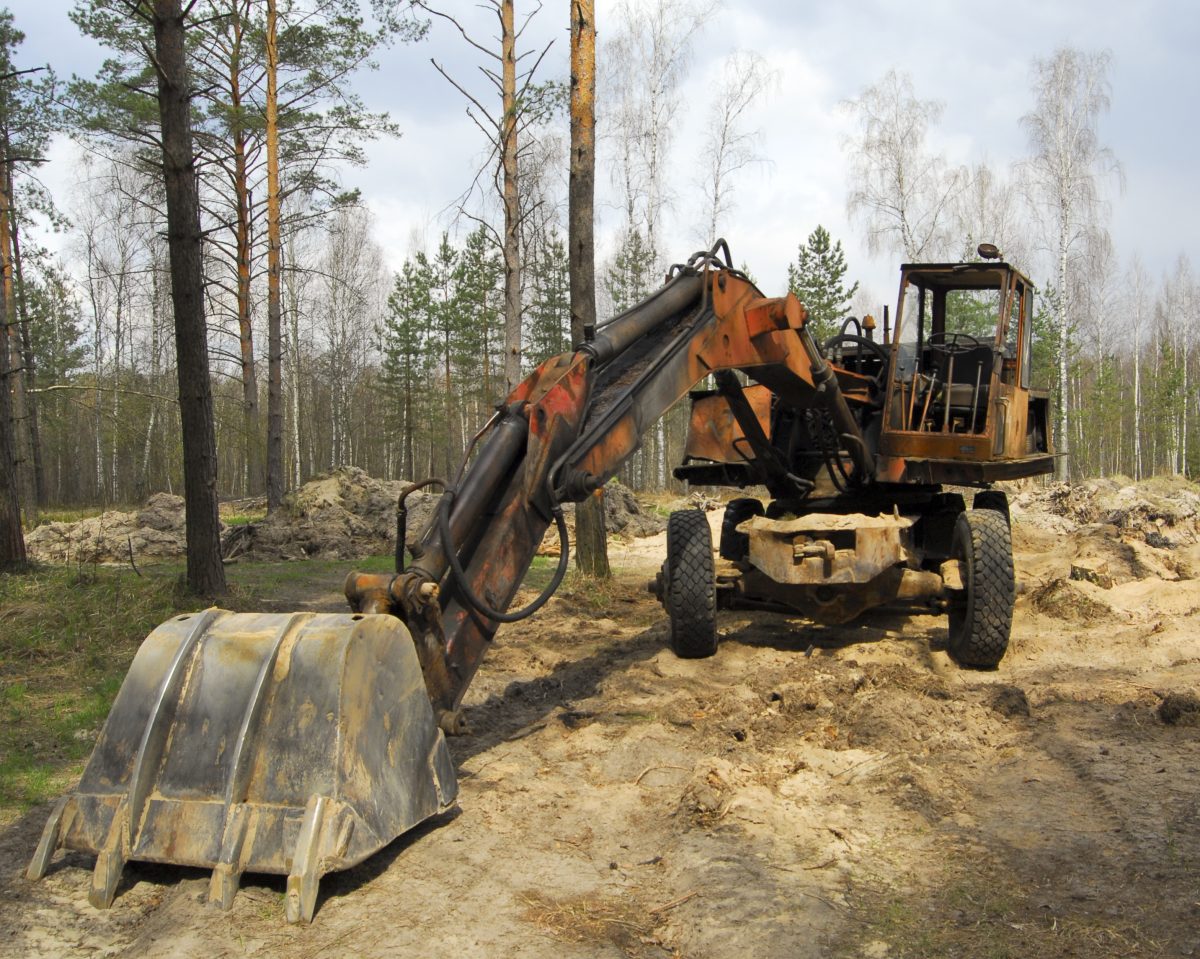
Excavators are essential machines in construction, mining, and other heavy-duty applications. Their efficiency and reliability largely depend on the condition and quality of their individual parts.
For those operating, maintaining, or sourcing excavator components, understanding the key excavator parts and their roles is crucial to ensuring smooth operations and cost-effective maintenance.
What Are Excavator Parts?
Excavator parts are the individual components that come together to form the complete machine. From structural elements to hydraulic systems and electronic controls, each part plays a role in the machine’s functionality. Whether you’re replacing a worn-out piece or upgrading your excavator, having the right knowledge can make all the difference.
Key Excavator Components
Hydraulic System Parts
Hydraulic systems are at the heart of an excavator’s performance. They power the boom, arm, bucket, and undercarriage.
- Hydraulic pumps: Drive fluid through the system to create movement.
- Hydraulic cylinders: Convert hydraulic pressure into linear force to move the boom and arm.
- Control valves: Manage the flow of hydraulic fluid to different parts of the machine.
Maintaining hydraulic integrity ensures powerful and precise operation.
Undercarriage Parts
The undercarriage supports the excavator and allows it to move across terrain. These parts take a significant amount of stress.
- Track chains and pads: Ensure mobility and traction.
- Rollers and idlers: Support the track and maintain alignment.
- Sprockets: Drive the track using the power from the hydraulic motors.
Worn undercarriage parts can cause operational inefficiencies and increased fuel consumption.
Engine and Cooling System
The engine powers all major components of the excavator. It’s supported by a cooling system that prevents overheating.
- Engine filters and belts: Keep the engine clean and functioning efficiently.
- Radiators and coolers: Maintain a safe operating temperature for both the engine and hydraulics.
Routine checks on these parts are vital for extending the life of the machine.
Electrical Components
Modern excavators include a range of electronic systems for monitoring, diagnostics, and operational control.
- Wiring harnesses: Connect various electrical elements.
- Sensors: Track temperature, pressure, and performance.
- Control modules: Help automate and regulate excavator functions.
Faulty electrical components can affect precision and safety.
Attachments and Linkages
Excavators are versatile thanks to interchangeable attachments. These include:
- Buckets: For digging, grading, or trenching.
- Hammers: For breaking concrete or rock.
- Quick couplers: Allow rapid switching between attachments.
Maintaining attachment components ensures productivity across different job types.
Signs It’s Time to Replace Excavator Parts
- Decreased efficiency or performance
- Visible wear or damage on hydraulic hoses, tracks, or cylinders
- Unusual noises or vibrations
- Hydraulic leaks or overheating
- Delayed response or control issues
Preventive maintenance and timely part replacements can help avoid costly repairs and downtime.
Tips for Sourcing Excavator Parts
When sourcing replacement parts for an excavator, consider:
- Compatibility: Ensure parts match the make and model of your equipment.
- Quality: Look for durable and well-tested components.
- Warranty: Choose suppliers offering coverage on parts.
- Availability: Minimise downtime by sourcing parts from suppliers with prompt delivery.
While genuine OEM parts are often preferred, high-quality aftermarket options can be just as reliable when sourced from reputable suppliers.
Just as operators carefully source quality components for heavy machinery, the same attention to reliability applies across other equipment sectors, including marine applications such as outboard parts australia, where durability and correct fit are equally critical to performance.
Keeping Your Excavator in Top Shape
Regular inspections, scheduled servicing, and using quality replacement parts are key to extending the lifespan of your excavator. Operators and fleet managers should develop a maintenance checklist that includes checking fluids, inspecting critical parts, and cleaning components regularly.
Whether you’re working on a small-scale earthmoving project or managing a large fleet of heavy equipment, understanding the various excavator parts and their functions helps keep your machines productive, safe, and efficient.
Read more: Mini Excavators: Everything You Need to Know
Read more: Must-Have Attachments for Excavators
Read more: Essential Equipment That Your Construction Business Needs