The Impact of Precision Engineering on Valve Manufacturing Efficiency
In modern industrial systems, valves are critical to regulating flow, pressure, and safety. Whether controlling the passage of steam, gas, oil, or chemicals, these components must operate with absolute precision. This is why engineering accuracy isn’t just a technical detail—it’s the foundation of manufacturing efficiency. Precision engineering has transformed the valve production process, helping manufacturers reduce waste, optimize cycle times, and deliver more reliable products across industries.
Dimensional Accuracy and Tolerance Control
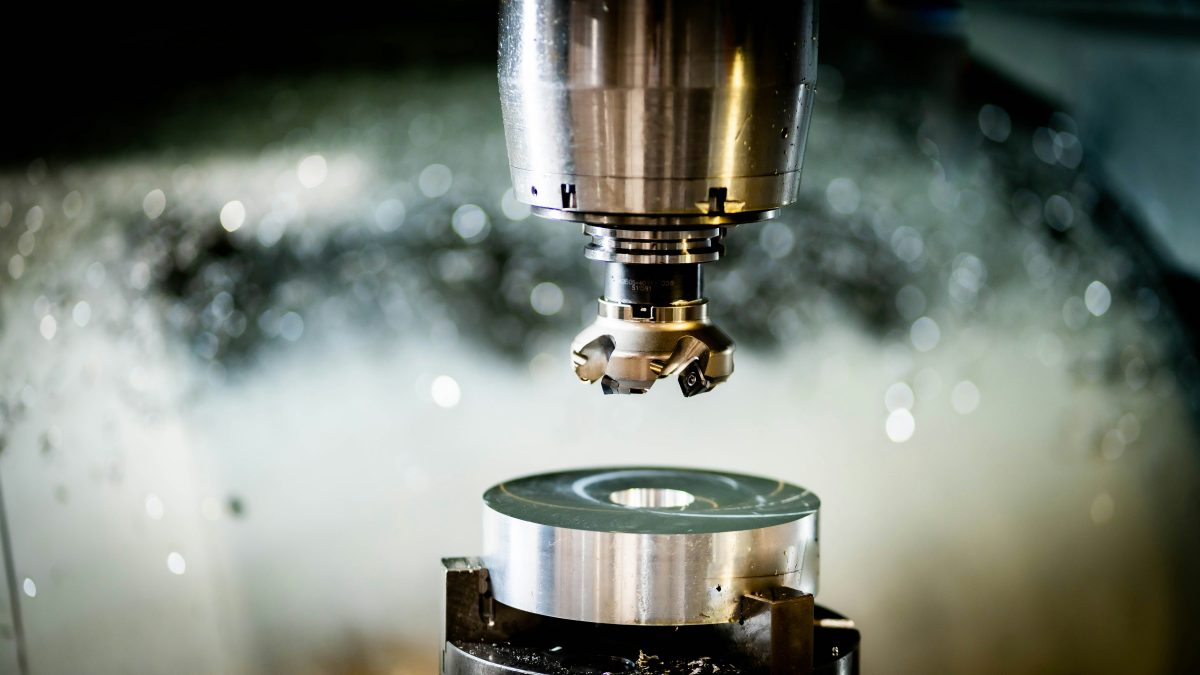
In valve manufacturing, even a fraction of a millimeter can make the difference between optimal performance and system failure. Dimensional accuracy ensures that components fit together correctly, maintain pressure, and operate smoothly under extreme conditions. Precision engineering technologies such as coordinate measuring machines (CMM) and computer numerical control (CNC) machining help manufacturers consistently produce parts that meet exact design specifications.
Tight tolerance control reduces the need for rework and improves first-pass yield rates. Consistency at this level translates into cost savings, fewer returns, and extended equipment life. Manufacturers who adopt precision techniques are better positioned to meet stringent industry standards and gain the trust of high-demand sectors like oil and gas or pharmaceuticals.
Material Optimization and Surface Finishing
The performance of a valve depends not only on its design but also on the materials used and how they’re treated. Advances in metallurgy and surface finishing technologies have made it possible to tailor materials to specific operating conditions. This includes resisting corrosion, handling high temperatures, or minimizing friction.
Precision machining plays a critical role in achieving smooth, defect-free surfaces. It’s within this context that the manufacturing of a high-quality ball valve depends heavily on uniform surface coatings and finely machined contact points to ensure leak-proof operation. By minimizing roughness and dimensional variation, manufacturers improve sealing capabilities and reduce wear, which enhances overall efficiency and product longevity.
Using specialized finishing techniques like lapping, polishing, or thermal spray coating also helps reduce cycle times in downstream testing and assembly. Better surfaces mean fewer post-processing corrections, faster throughput, and ultimately, reduced costs.
Reduced Waste and Higher Yield
One of the often-overlooked benefits of precision engineering is its role in minimizing material waste. By using advanced design software and automated machining systems, manufacturers can plan cuts and milling paths with pinpoint accuracy. This allows for maximum material utilization, reducing the amount of scrap generated during production.
Higher yield rates are the natural outcome of tighter controls. Components that meet quality standards right out of the machine require fewer adjustments or replacements. This streamlined approach means fewer interruptions on the production floor and more consistent delivery schedules. In industries where lead times and supply chain coordination are critical, reducing waste directly contributes to profitability.
Additionally, many facilities are integrating real-time monitoring systems that detect defects as they happen. These tools allow operators to make immediate adjustments, avoiding costly batch-wide errors. The combination of intelligent monitoring and high-precision tooling forms the backbone of lean manufacturing in valve production.
Faster Assembly and Reduced Downtime
Precision-machined valve components fit together seamlessly, leading to faster and more accurate assembly. This reduces the need for manual intervention or on-site adjustments, which in turn speeds up the manufacturing process and improves overall throughput.
In operations where time equals money—such as power plants, petrochemical facilities, or offshore rigs—reduced downtime is a significant advantage. Valves produced with exacting precision are less prone to leaks, misalignment, or failure under pressure. This reliability minimizes emergency shutdowns and allows systems to operate more continuously with fewer interruptions.
By building precision into the product from the start, manufacturers lower the risk of field failures, warranty claims, and service disruptions. The result is a more efficient production process and a better reputation with end-users.
Improved Automation Compatibility
As factories move toward Industry 4.0, automation is becoming a central part of valve manufacturing. Robots and computer-controlled systems perform repetitive tasks with high speed and accuracy, but they rely on components that conform to exact specifications.
Precision-engineered parts allow automation systems to function at peak efficiency. From robotic welding to laser marking and automated inspection, each stage benefits when valve components are uniform and reliable. Variability causes delays, machine errors, and reprogramming—none of which are conducive to efficient operation.
Engineered precision also facilitates easier integration between digital twins, CAD models, and physical production. This digital-to-physical feedback loop enhances predictive maintenance, real-time tracking, and intelligent scheduling. For manufacturers aiming to scale operations while maintaining quality, precision is a critical enabler of smart automation.
Regulatory Compliance and Industry Certifications
In industries such as aerospace, pharmaceuticals, and energy, valves must comply with strict regulatory standards. These regulations often include requirements for traceability, dimensional conformity, and pressure resistance. Meeting these demands is only possible through a disciplined approach to precision engineering.
Accurate documentation and consistent production practices help manufacturers obtain certifications like ISO 9001, API 6D, or ASME compliance. Once certified, companies gain a competitive advantage by proving their commitment to quality and safety. It also opens up access to high-value markets where compliance is non-negotiable.
The impact on efficiency is twofold: products are less likely to be rejected in audits or inspections, and trust in the manufacturer’s process reduces the need for third-party verification or excessive testing. Precision isn’t just good engineering—it’s good business.
Precision engineering is the cornerstone of efficiency in modern valve manufacturing. From tighter tolerances and smoother finishes to waste reduction and automation integration, each benefit contributes to faster, more reliable production. Companies that invest in advanced machining, monitoring, and material science gain a competitive edge through improved quality and throughput. By focusing on precision from design to delivery, manufacturers elevate both their performance and their reputation in a global marketplace.