Heating Up the Kitchen During Cold Months
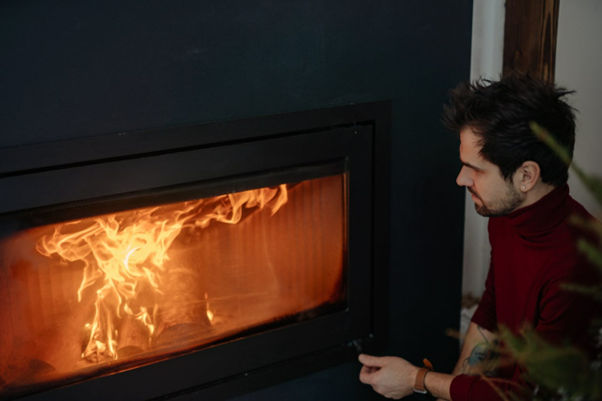
With the cold weather setting in, it is important to make sure the kitchen is warm and cozy. This is very helpful as it reduces heating costs and also makes meal prep and eating much better.
Keep on reading below as this article will discuss a variety of effective but energy-saving ideas to keep the kitchen warm including insulation of the pipes, sealing of drafts, and window covering. We will also cover smart heating methods such as portable heating devices and the correct placement of heaters.
Kitchen Energy Efficient Tips
A warm kitchen is a practical way to minimize energy consumption without compromising your comfort while cooking. Let’s explore some effective tips that can help improve energy efficiency in your kitchen.
1. Insulate Pipes
During those chilling and cold months, insulating your kitchen pipes is critical as it prevents bursting as well as excessive freezing. Not only does this save on repairs but also provides an indispensable flow of water into the house.
This pipe insulation works wonders to insulate your pipes and can be bought quite easily in any hardware store. Cut the insulation tubes to match the length of your pipes, then simply use tape to keep them attached.
Installing a heating cable along with heat tape can be an ideal solution as it can provide protection for the pipes. Such a small expenditure can offer peace of mind alongside ensuring the kitchen’s warmth is maintained.
2. Seal Drafts
A frequent cause of losing so much heat in the kitchen is the drafts in the spaces between the structure of the house. Pinpointing and closing these drafts can ensure that your kitchen is warm and cozy.
A good starting point would be the windows and doors for any cracks or gaps. A good idea is to use weatherstripping to seal off these areas.
Additionally, you can deploy attic door sweeps at the edges of the doors of the kitchen so that cold air is restricted from coming in. Likewise, draft stoppers, which can be placed at the base of doors, are another excellent solution.
3. Use Window Coverings
Windows are often responsible for a lot of heat loss in any room, especially in the kitchen. To restrict this, utilize window coverings which can help insulate and retain heat inside the room. Using thermal curtains or shades can prove to be beneficial as they are equipped with an additional layer that assists with insulating the room against the cold. During summers, curtains should be left completely open to allow heat and sunlight inside, but once the sun dips below the horizon, curtains should be closed to keep the heat inside.
Note that keeping a house warm and ventilated at the same time is tricky and may require an expert’s help. So, it’s best to ask an experienced rental property manager in Atlanta if you have concerns regarding ventilation and other kitchen concerns.
Smart Heating Solutions
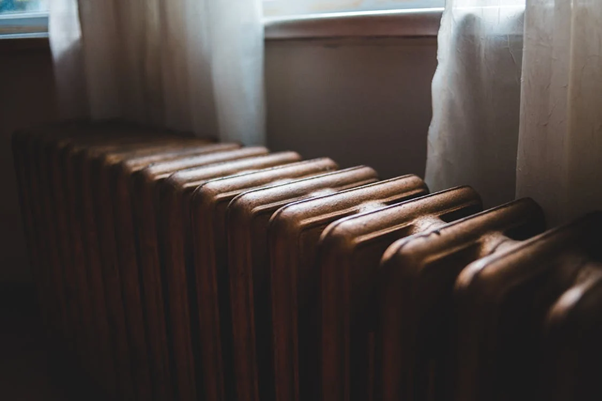
Heating your kitchen is one of the best strategies to create a tranquil home environment, and the best part is that you can achieve this with a few simple techniques. These include:
1. Portable Heaters
If you want warmth in minutes, portable heaters are a quick fix for the problem. They are multipurpose, reachable without a hassle, and can be used when convenient.
One thing to keep in mind while selecting a portable heater is that it should come equipped with safety features such as automatic shut-off, cool-touch, and tip-over protection. This guarantees that the appliance remains safe to operate in a densely occupied kitchen.
Always ensure that the heater is located in a position where it cannot obstruct movement or be tipped over easily.
2. Radiator Placement
The placement of your radiator can greatly affect its performance as a heating system in your home. During installation, it is important to ensure they are located in a way that will properly preserve the temperature of your kitchen while evenly distributing the heat.
Avoid placing other appliances in front or nearby as it will most likely interfere with the hot air circulation. Regular bleeding of your radiators will also help maintain efficiency as it removes built-up air that may be trapped within.
Another option to consider are radiator reflectors. Radiator reflectors can help reduce the amount of heat wasted through the walls by directing it into the room.
Kitchen Safety Considerations for Landlords and Tenants
It is important to keep the kitchen warm, but it should never compromise the safety of the tenants. Most importantly, landlords are responsible for making your space safe and habitable, especially in the kitchen where we spend most of our time preparing meals.
Duties may include fixing air leaks or insulating the structure properly. Heating systems, including boilers, gas fires, and radiators, must also be regularly checked to ensure they are used safely.
On the other hand, the tenants also have a significant responsibility to keep the kitchen warm and safe. Reporting heating problems such as a draft to the landlords as soon as possible will help avoid bigger issues.
Tenants are expected to use the heating equipment as instructed by the manufacturers and keep it at a safe distance from anything that may catch fire. Together with the landlords, the tenants can ensure that the kitchen remains warm, safe, and cozy during the winter season.
Conclusion
Ensuring heat retention in your kitchen during the chilly winter months will add to comfort as well as energy efficiency. Insulate pipes, seal drafts, and apply thermal window coverings to start minimizing heat loss. Then think about portable heaters and strategic heating of the radiators to get effective warmth.
Both landlords and tenants participate to keep the kitchen safe and comfortable. Landlords need to install the necessary room heaters and fix structural problems while tenants need to manage the heating devices and report problems without undue delay.
Essentially, both parties need to work together to ensure the kitchen and other parts of the home are warm and cozy during the cold months.