Salon-Quality Hair Scissors at Home: A Budget-Smart Beginner’s Guide
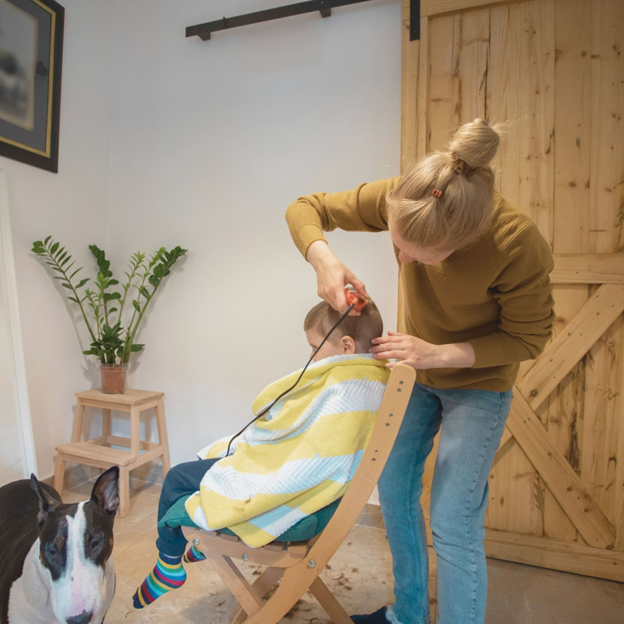
Tired of waiting weeks for a salon appointment just to trim your bangs? With the right scissors, you can handle small touch-ups at home without butchering your hair. Forget about using kitchen scissors—they’ll leave you with damaged, uneven cuts that take months to grow out.
Good hair shears make clean cuts that actually help your style last longer between salon visits. Here’s everything you need to know about choosing and using them.
Start Small, Stay Safe
Before you get scissor-happy, let’s be clear about what you should and shouldn’t attempt at home.
Perfect for DIY:
- Bang trims
- Dusting split ends
- Cleaning up your neckline
- Minor touch-ups
Leave to the professionals:
- Bobs and major length changes
- Layering
- Anything involving the back of your head
- Complete style overhauls
If you’re new to cutting hair, pair your scissors with a good tutorial that matches your hair texture. These guides can help you get started safely:
- Choosing the Right Haircut Tutorial: A How-to Guide
- These Trendy Curly Hairstyles Will Make You Feel Amazing
Understanding Blade Types
Not all scissors are created equal. You’ll encounter two main blade styles:
Beveled Blades (Often Micro-Serrated) These have a slightly grippy texture that gives you excellent control. They’re durable, usually more affordable, and perfect for beginners making blunt cuts. If you’re budget-conscious, this is your sweet spot.
Convex Blades (Japanese-Style) Ultra-sharp and smooth, these are ideal for advanced techniques like slide cutting and point cutting. They’re pricier and more delicate, but they give professional-level results.
Either option beats household scissors by miles. A well-made beveled pair or entry-level convex scissors will serve most home users perfectly.
Handle Comfort Matters More Than You Think
Your wrists will thank you for choosing ergonomic handles. Here’s what to look for:
- Offset Handles: Put your thumb in a more natural position, reducing strain during longer cutting sessions.
- Crane Handles: Drop your elbow even lower, perfect if you have wrist or shoulder issues.
- Classic/Symmetric: Fine for occasional use, but most beginners feel steadier with offset or crane styles.
Pro tip: Keep your thumb relaxed in the ring. Don’t grip too tightly or choke up on the handle.
Size Matters: Find Your Sweet Spot
For simple home trims, 5.5 to 6.0 inches hits the perfect balance. You get precision for detailed fringe work while having enough length to tidy up ends efficiently.
Skip longer blades (6.5 to 7.0 inches) for now—those are designed for barbering techniques you probably don’t need.
What to Avoid
Thinning/Texturizing Shears: Easy to overdo and can leave visible lines in your hair.
Razors: Require serious skill and a very sharp blade to avoid damage.
Cheap Mystery Metal: These dull quickly and will tug at your hair instead of cutting cleanly.
Your Buying Checklist
Look for these features when shopping:
- Named steel (like 440C or VG10)
- Adjustable tension screw
- Offset or crane handle
- Finger rest and inserts
- Return policy
Want specific recommendations? Check out JPScissors – Salon Hair-Cutting Shears for a curated selection organized by size and steel type.
The Real Cost of Hair Care
Understanding typical salon costs helps put quality scissors in perspective:
| Who | Visits per Year | Cost per Visit | Annual Spend |
| Women (salon) | ~4 | $72 | $286 |
| Men (barbershop) | ~6 | $45 | $268 |
| Children (≤12) | ~6 | $22-25 | $135 |
| Family of four | – | – | ~$824 |
Based on 2024 U.S. consumer data and national cost guides
With beauty services climbing in price, stretching time between appointments with safe home trims makes financial sense.
Keeping Your Scissors Sharp
Proper care extends the life of your investment:
- Clean and dry after each use
- Store in a sleeve or case to protect the blades
- Add a tiny drop of oil at the pivot occasionally
- Check tension regularly: Too loose and they’ll push hair around; too tight and your hand will tire quickly
- Sharpen when needed: With light home use, this could be years away
Adjust the tension until the blades meet smoothly without resistance.
Know When to Call the Pros
Some situations always require professional help:
- Major shape changes
- Dealing with cowlicks or complex growth patterns
- Working with tight curls or coils
- When you’re simply not confident
If a DIY trim goes sideways, don’t panic. Take a breath and check out this helpful guide: How to Rebuild Trust After a Bad Haircut Experience
Real User Feedback
The hair community on Reddit has plenty to say about scissors. The consensus? Prioritize a sharp, reliable edge and comfortable handle (offset or crane style). Start with reputable steels like 440C, avoid bargain bundles from unknown brands, and always check the tension screw.
See what other users recommend: Reddit: A few hair shear/scissor brands that are…
Always verify warranty and return policies yourself, regardless of reviews.
The Bottom Line
A modest, well-built pair of scissors. 5.5 to 6.0 inches with an offset handle, named steel, and adjustable tension. Will handle safe touch-ups at home for years.
Spend money where it counts: proper fit, quality steel, and good blade grind. Keep your cuts small and conservative. Your wallet and your hair will thank you for the extra time between salon visits.
Remember: confidence comes with practice, but wisdom comes with knowing your limits.