How to Enhance Tactical Gear Performance and Efficiency: A Complete Guide
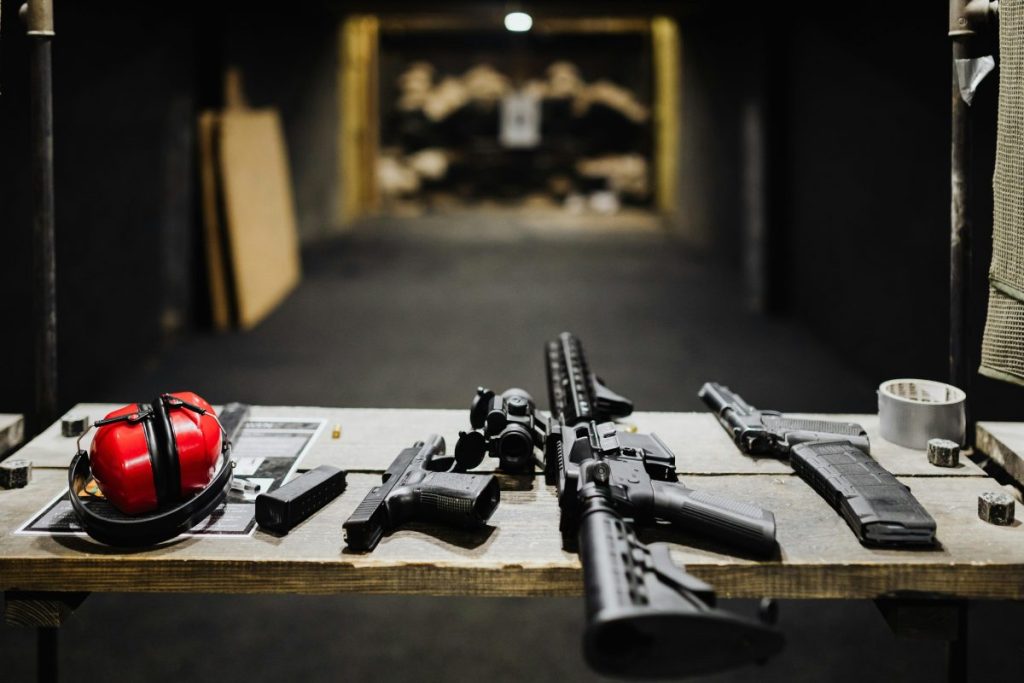
Photo by Kaboompics.com
Tactical gear is more than equipment you carry; it is the foundation of your performance in training, operations, or defense. Every piece, from firearms to load-bearing vests, plays a role in how effectively you move, react, and stay in control. Many people make the mistake of stacking accessories without a clear plan, only to end up with bulky, inefficient setups. The truth is, tactical efficiency comes from smart choices, not excess gear. Small, deliberate upgrades can create measurable gains in accuracy, endurance, and response time.
The following guide breaks down some effective steps you can take to enhance your gear for maximum performance.
1) Set measurable goals before you change anything
Improving tactical performance starts with defining clear goals. If you don’t know what you’re trying to achieve, you’ll end up making random changes with little benefit. Decide what better performance means in your context. Are you aiming for faster target transitions, reduced fatigue during long sessions, or tighter shot groups? Pick one or two metrics you can track. This may be split times, grouping size, or overall carry weight. When you make upgrades, focus on one area at a time and test your results. By isolating changes, you’ll know exactly what made a difference instead of guessing.
2) Choose the right Glock attachments
Attachments can transform the way your Glock performs, but only if you select them carefully. The temptation is to add multiple accessories, thinking each will bring a boost. In reality, clutter can work against you. Ask yourself which problem you want to solve: better control, faster sight acquisition, or added modularity. High-quality tactical Glock attachments like stabilizer kits, optics, or rail-mounted lights can help. For dependable options, Recover Tactical offers curated recommendations that explain how each attachment enhances performance. Their stabilizers increase control, optics refine accuracy, and rail accessories add versatility without sacrificing handling. The key is to keep your setup lean and focused on what you actually need.
3) Improve control (the foundation of performance)
Control is at the heart of efficient shooting and overall handling. Without it, accuracy and consistency fall apart. The first step is to enhance ergonomics. Simple adjustments, like grip panels, textured backstraps, or extended controls, provide a more natural feel and faster access to functions. For those using Glocks or similar platforms, stabilizers or braces add additional points of contact, improving stability during rapid fire or under stress. However, installing these tools is only the start. You need to dedicate training time to make the new setup second nature. Regular practice ensures that improved control translates into better results when it counts.
4) Optimize sighting systems for speed and accuracy
Your sighting system directly impacts how quickly and precisely you engage targets. The choice of optics should depend on your task. Red dot sights with a larger window improve speed, while smaller dots help with precision. Mounting matters as much as the optic itself. A poorly secured mount will shift and ruin your zero, forcing constant adjustments. It’s also smart to keep iron sights as backups. Training with both optics and irons ensures you can adapt if one fails. Transition drills between systems build confidence and keep you effective under all conditions. With the right sighting setup, every shot becomes faster and more reliable.
5) Balance weight and distribution — every ounce counts
The total weight of your gear has a direct effect on stamina and performance. Heavy, poorly balanced setups create fatigue faster and slow down transitions. Start by tracking your loadout weight and examining where it sits. Position heavier items close to your body’s centerline to maintain natural movement and pointability. For example, a weapon-mounted light adds utility, but make sure it doesn’t unbalance your grip. Evaluate every piece of equipment and ask whether it earns its place. If two items serve the same purpose, keep the better one.
6) Prioritize ruggedness and compatibility
When you upgrade tactical gear, one of the most important considerations is durability. Accessories and attachments that look impressive in a display may fail under pressure if they are not built to withstand real-world conditions. Ruggedness ensures your setup will hold up during repeated recoil, harsh weather, and heavy use. Compatibility is just as critical. A part that doesn’t match your firearm generation or gear platform can create malfunctions or unsafe conditions. Before you buy, verify that the product is designed specifically for your model. Favor companies that publish clear compatibility notes and field-test their products. This step prevents wasted money and avoids problems in the field where failure isn’t an option.
7) Expand modularity smartly (conversion platforms, rails, and kits)
Modularity gives you flexibility, but it should never come at the expense of simplicity. Conversion platforms, rails, and kits allow you to adapt a single weapon or piece of gear to multiple scenarios. For example, a Glock can be adapted into a carbine-style setup with the right stabilizer or conversion system. This increases versatility without requiring you to carry an entirely separate weapon. However, not all accessories are worth the weight or cost. Choose modular systems only when they match your actual needs. Standardized rails and mounting systems also make life easier by letting you swap out optics, lights, and lasers quickly. Quick-detach mounts can be especially useful when you want to reconfigure on the fly without tools.
8) Tune maintenance and logistics for efficiency
Performance doesn’t come only from upgrades; it also depends on consistent upkeep. Tactical gear needs regular inspection and simple maintenance habits to stay reliable. Standardizing spare parts across your kit helps streamline logistics. For instance, using the same batteries across multiple accessories saves weight and space. Keeping a small set of tools that work across different gear ensures you’re always able to make quick fixes. Establish a checklist to cover essentials like mounting screws, optic alignment, and battery life. Rotate wear items before they fail—don’t wait until you’re in the field to discover a weak link.
Keep Your Eyes on What’s Next
Upgrading your gear should always be part of an ongoing process of testing, refining, and advancing your skills. Once you’ve built a setup that performs reliably, challenge yourself with tougher drills, longer training sessions, or new scenarios. This approach helps you spot fresh areas for improvement and keeps your kit evolving with your abilities. Tactical efficiency is not about having the most expensive loadout—it’s about making each piece work harder for you. Keep your focus on purposeful changes, stay committed to training, and treat every upgrade as a step toward the next level of capability.