What Every Homeowner Should Know About Appliance Maintenance
It’s easy for homeowners to overlook the necessary upkeep of their appliances, yet proper maintenance is important to ensure they work efficiently and last for years. Appliances are substantial investments that contribute to our daily conveniences, significantly impacting our quality of life. In the rush of life, it’s tempting to ignore signs of wear and tear or delays in performance. Neglecting regular care can lead to costly repairs or replacements. This article outlines the important tips for maintaining various household appliances effectively.
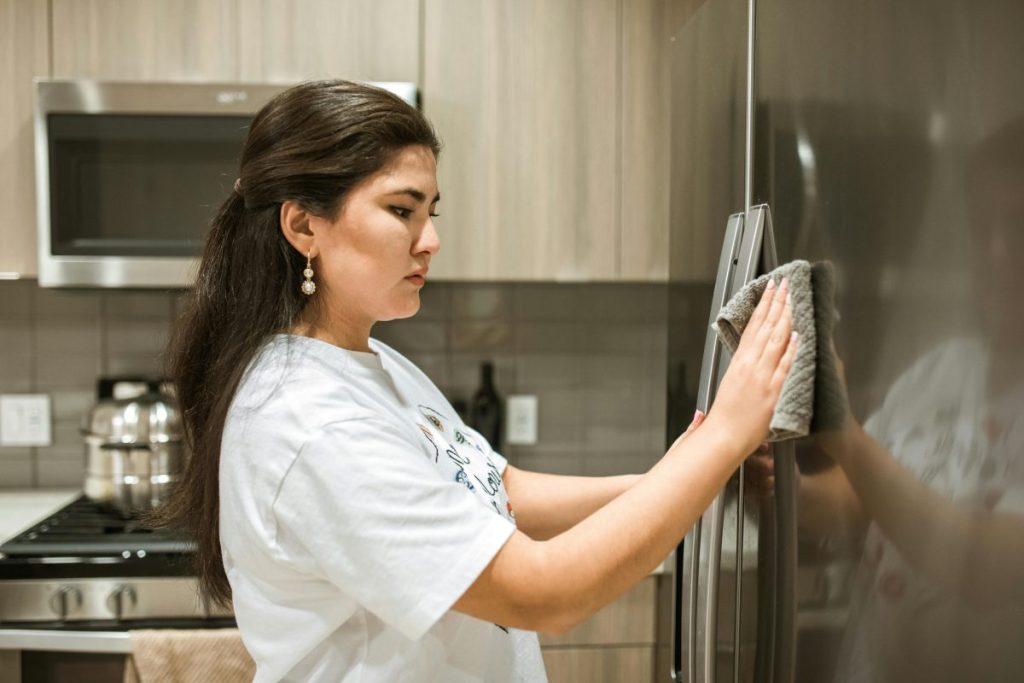
Photo by RDNE Stock project
Understanding Your Appliances
Each appliance in your home comes with its own set of maintenance needs. Familiarizing yourself with these requirements is the first step in ensuring optimal performance. Manufacturers often provide user manuals that detail maintenance tips and schedules specific to each appliance. By reading these manuals, you can understand common maintenance practices, such as cleaning, inspection, and part replacement. Ignoring these guidelines can lead to significant functionality issues down the line.
Regularly checking for clogs, leaks, or wear can prevent small problems from escalating into major concerns. Keeping appliances in clean and dry environments helps reduce wear and tear. Investing time in learning your appliances will empower you to act promptly when issues arise. Having a checklist of tasks based on manufacturer recommendations can help streamline this process, ensuring nothing is overlooked.
Cleaning Appliances
Regular cleaning is one of the most effective ways to maintain appliances. The refrigerator needs its coils cleaned at least twice a year to improve efficiency and prolong its life. Dust and grime can accumulate on coils and block heat, forcing the appliance to work harder, which could lead to premature failure. Dishwashers benefit from regular cleaning of filters and rotating arms to ensure optimal cleaning of dishes.
Washing machines require maintenance, too, particularly in checking for mold or residue build-up in the door seal. Keeping appliances clean maintains their function and promotes a healthier home environment. Scheduling routine cleanings and using the appropriate cleaning agents can enhance appliance longevity.
Inspection and Monitoring
Regular inspections of your appliances can save you from unexpected breakdowns and repair costs. Homeowners should monitor signs such as unusual noises, inconsistent performance, or leaks. These indicators often signal underlying issues requiring immediate attention. Some appliances have indicators or lights that alert homeowners to maintenance needs. Ignoring these alerts could worsen the problem. Checking hoses and cables for wear or damage should be a part of routine inspections. The water heater’s connections should be routinely examined for leaks.
If an appliance is over ten years old, it’s wise to have an expert assess its condition periodically. Some appliances may even benefit from professional maintenance services annually. Routine monitoring and inspection ensure you catch minor issues before they become significant repairs. Proper vigilance can ultimately extend the life of your home appliances, allowing you to enjoy your investment for years. By staying proactive with regular inspections, you ensure your appliances continue to operate efficiently while maintaining a safe and reliable home environment.
Routine Repairs and Part Replacement
Addressing minor repairs promptly is crucial in appliance maintenance. If a door seal is breaking or a washer is malfunctioning, replacing these parts can prevent further damage. Homeowners often delay addressing these small repairs, assuming they will not affect overall performance. Neglecting repairs can lead to a cascading failure, affecting the appliance’s efficiency and lifespan. Many appliances come with replaceable parts that are relatively easy to fix, allowing homeowners to save on professional service costs.
Refrigerator water filters should be changed regularly to prevent contamination. Dryer vents need cleaning to avoid lint build-up, which can cause fires. Educating yourself about parts that may require replacement can save time and money. Understanding how to perform minor repairs empowers homeowners to maintain their appliances better. Always consult the manual for guidance on preferred parts and repair techniques to ensure you use suitable materials for your appliances.
Energy Efficiency and Usage Habits
Adopting energy-efficient practices can aid in appliance maintenance and lower utility bills. Being mindful of how appliances are used can make a notable difference. Overloading a washing machine can strain its motor, while running the dishwasher without a full load can waste energy and water. Learning to use appliances moderately will enhance their performance and can reduce wear. It’s beneficial to run heavy appliances during off-peak hours to save on electricity costs.
Investing in energy-efficient appliances can significantly lower your energy output and long-term costs. Regular maintenance, combined with mindful usage, can optimize appliance efficiency. Energy-efficient settings on these devices can lead to less frequent repairs. Educating family members about these practices will establish a cooperative environment for appliance care.
Staying Informed on Updates and Recalls
Remaining informed about your appliances’ updates and recalls is important for maintaining home safety and performance. Appliance manufacturers often issue recall notices for safety or performance issues that need immediate addressing. Subscribing to newsletters or following brands on social media platforms can keep you updated. These notifications can help you avoid hazards associated with malfunctioning appliances while ensuring compliance with safety regulations.
Understanding your appliance’s specs may open opportunities for upgrades that enhance its functionality. Technological advancements allow for more energy-efficient options that can replace older models. Homeowners should routinely check for any software updates if applicable, especially for smart appliances. Staying informed about such updates can significantly improve your home’s overall efficiency and safety while ensuring optimal performance of existing appliances.
The Importance of Warranty and Insurance
Understanding warranty terms can provide financial relief in the event of an appliance breakdown. Many appliances come with warranties that cover repairs for a certain period. Knowing the length and scope of these warranties can save you significant costs should issues arise. Homeowners should keep a record of purchase dates and warranty information for each appliance. Documenting any repairs and service can be helpful if troubleshooting becomes necessary before the warranty ends.
Investing in appliance insurance can provide additional peace of mind, especially for high-value appliances. Researching various insurance policies helps you understand which solutions best fit your home and appliances. By being proactive with warranties and insurance, homeowners save time and money while ensuring proper care of their investments. Knowing what is covered and the claims process simplifies addressing unexpected failures, allowing you to focus on maintaining a comfortable living environment.

Photo by José Andrés Pacheco Cortes
Maintaining household appliances requires attention, diligence, and knowledge. Regular cleaning, inspections, and repairs contribute significantly to extending their lifespan and efficiency. Homeowners should empower themselves through research while consulting professionals when necessary. Committed appliance maintenance can lead to convenience and peace of mind, ensuring that every unit functions optimally when needed throughout the years.