Essential Equipment Every Small Private Hospital Needs
Running a small private hospital requires careful planning to ensure patients receive the best care possible. The right equipment enhances patient comfort and safety. While many hospitals share common essentials, private facilities often have unique needs based on their size and patient demographics. Understanding which equipment is crucial can make all the difference in daily operations and long-term success.
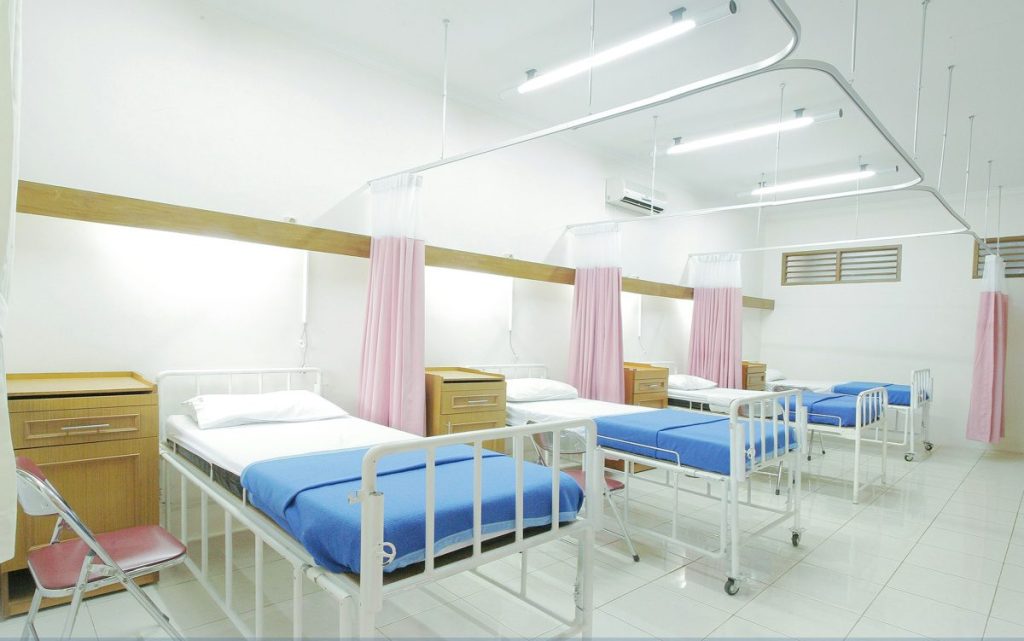
Patient Rooms Should Be Comfortable and Functional
Patient rooms are the heart of a hospital, where comfort and functionality must go hand in hand. Adjustable beds allow staff to provide proper care while giving patients a comfortable place to rest. Side tables, chairs, and storage units also play a vital role in keeping personal items and medical supplies organized. Quality lighting and easy-to-clean surfaces help maintain a sanitary environment that promotes recovery.
Privacy is equally important in these rooms. As seen at www.cubiclecurtainfactory.com, curtains or partitions can be installed to create discreet spaces that respect patient dignity. Choosing durable, easy-to-clean materials helps staff maintain a sanitary environment while providing comfort and flexibility for different medical needs.
Diagnostic Equipment Must Be Reliable and Up to Date
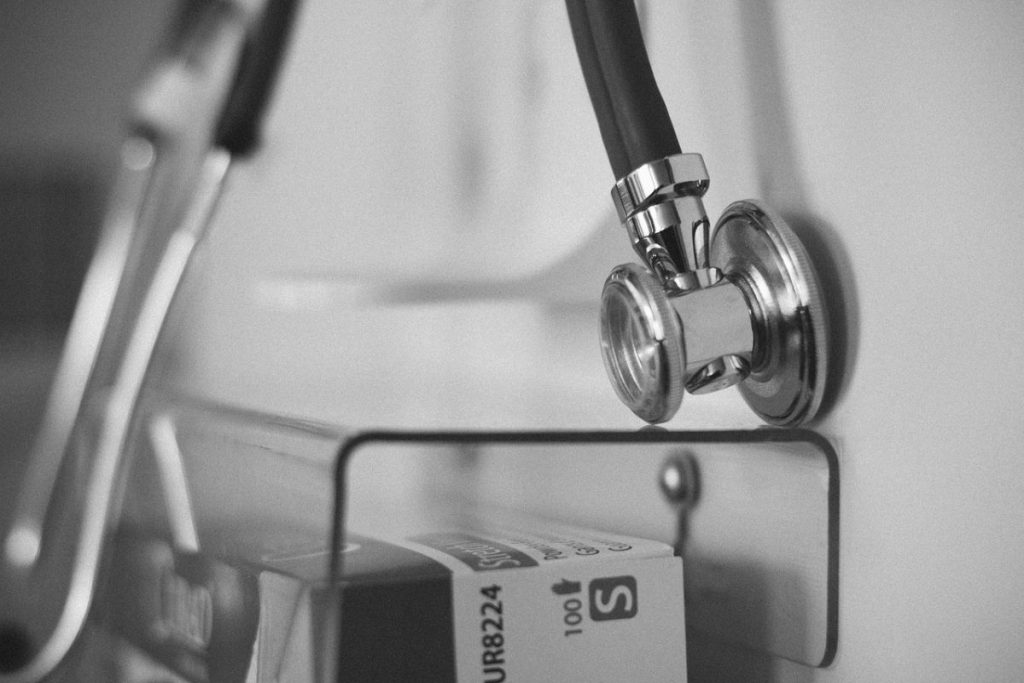
Accurate diagnosis is the foundation of effective treatment. Small hospitals need important diagnostic tools such as blood pressure monitors, stethoscopes, and thermometers. More advanced imaging equipment, like ultrasound or X-ray machines, helps detect conditions early, allowing doctors to plan treatments efficiently. Investing in reliable devices reduces the risk of errors and improves patient outcomes.
Maintenance and calibration are critical for all diagnostic equipment. Staff should be trained to operate machines correctly and recognize signs of wear. Having backup devices for high-demand tools prevents interruptions in care. Proper storage and regular checks extend the lifespan of equipment, ensuring that the hospital can consistently provide accurate diagnostic services.
Operating Rooms Require Specialized Tools and Equipment
Operating rooms demand precision and readiness. Surgical instruments, lighting, and anesthesia equipment must meet strict standards. Even small private hospitals need to stock tools for common procedures, ensuring that surgeries can be performed safely and efficiently. Clean and well-organized operating rooms reduce infection risks and streamline workflows.
Sterilization equipment is vital to prevent contamination. Autoclaves, disinfectants, and instrument trays must be regularly maintained. Surgical staff must follow strict protocols to ensure instruments are properly sterilized and ready for use. This commitment to cleanliness directly affects patient safety and the success of surgical procedures.
Emergency Equipment Needs to Be Accessible at All Times
Emergencies can arise at any moment, so small hospitals must have life-saving equipment on hand. Defibrillators, oxygen supplies, and first-aid kits are crucial for stabilizing patients during critical situations. Portable monitoring devices allow staff to track vital signs even outside the emergency room, ensuring timely intervention when every second counts.
Training staff to use emergency equipment efficiently is equally important. Regular drills and refresher courses help team members respond calmly under pressure. Proper storage ensures that devices are easy to locate, fully charged, and ready for immediate use, minimizing delays in patient care.
Laboratory Equipment Supports Accurate Testing and Analysis
Laboratories are the backbone of diagnostics. Small hospitals need lab equipment like centrifuges, microscopes, and analyzers to conduct routine blood tests, urine analysis, and other examinations. Accurate results guide treatment decisions and help monitor patient progress. Ensuring that all devices are properly calibrated maintains consistency and reliability.
Organization in the lab contributes to efficiency. Clearly labeled storage, standardized testing procedures, and well-maintained instruments reduce errors. Staff should follow strict hygiene and safety guidelines to protect both themselves and patients. A well-equipped laboratory enables the hospital to provide a full spectrum of diagnostic services in-house.
Patient Monitoring Systems Improve Care Quality
Continuous monitoring is crucial for patients with critical or chronic conditions. Small hospitals benefit from devices like cardiac monitors, pulse oximeters, and infusion pumps. These tools allow staff to track patient status in real time, quickly detecting any changes that require intervention. Monitoring equipment helps doctors make informed decisions about treatment adjustments.
Alerts and alarms on monitoring devices provide immediate notification if a patient’s vital signs fall outside safe parameters. This proactive approach reduces complications and supports faster recovery. Proper training ensures staff can interpret data correctly and respond promptly, maximizing the value of these systems.
Infection Control Equipment Protects Patients and Staff
Infection control is a priority in every hospital. Small private facilities must have hand sanitizers, gloves, masks, and protective gowns available throughout the hospital. Isolation rooms, negative-pressure ventilation, and effective cleaning equipment help prevent the spread of infectious diseases, protecting both patients and staff.
Waste management tools, including biohazard containers and proper disposal systems, reduce contamination risks. Staff training on hygiene protocols reinforces safe practices. Investing in high-quality infection control equipment fosters a culture of safety, which is critical for maintaining patient trust and hospital reputation.
Administrative and Support Equipment Keeps Operations Smooth
Behind the scenes, administrative equipment ensures smooth hospital operations. Computers, printers, and secure storage systems help manage patient records efficiently. Scheduling software and communication tools allow staff to coordinate care and optimize workflows, minimizing delays and errors.
Support equipment, such as mobile carts, lifts, and transport beds, assists staff in delivering care safely. These tools reduce physical strain on healthcare workers and improve patient comfort during movement within the hospital. Well-organized administrative and support systems are important for maintaining the functionality of the facility.
Equipping a small private hospital with the right tools is crucial for providing quality care. From patient rooms and operating theaters to diagnostic labs and emergency facilities, every piece of equipment plays a role in ensuring safety, efficiency, and comfort. Attention to detail in selecting and maintaining these essentials allows staff to focus on what matters most: delivering excellent patient care. Proper planning and investment in equipment create an environment where patients feel supported, and healthcare professionals can perform at their best.
Read more: How To Ensure Your Equipment Meets Proper Caster Standards
Read more: Why Every Hospital Needs an Asset Tracking System
Read more: Scaling a Healthcare Startup: How to Ensure Sustainable Growth