How to Choose the Best Air Filters in Australia for Your Home
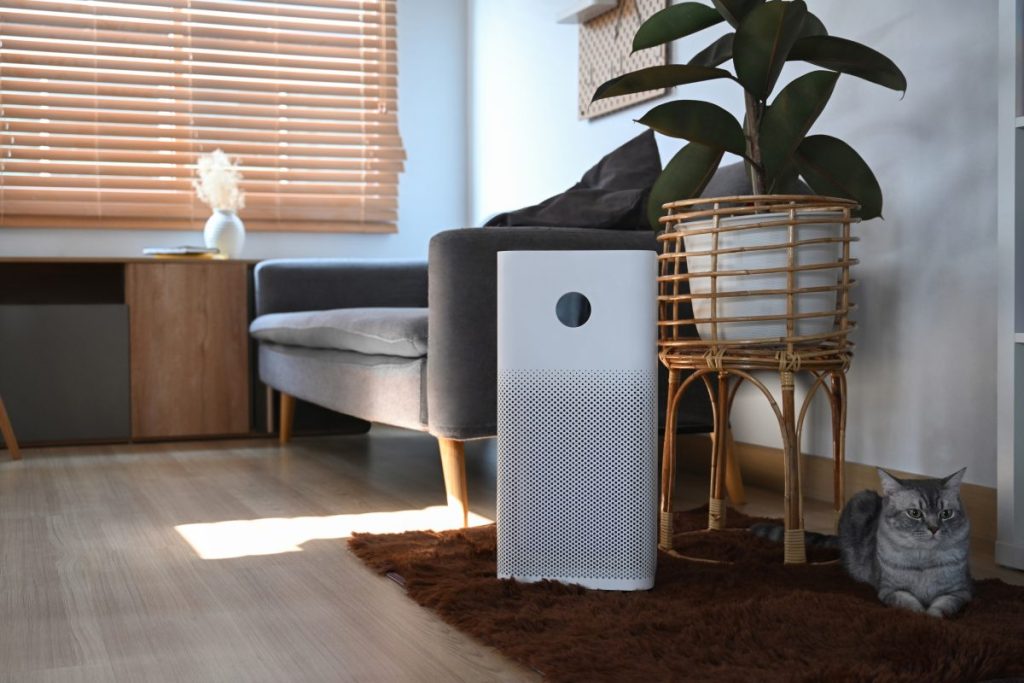
When it comes to maintaining a healthy home environment, one of the simplest yet most effective steps you can take is to install a high-quality air filter. With Australia’s mix of urban pollution, bushfire smoke, and seasonal allergens, clean indoor air isn’t just a luxury, it’s a necessity. But with so many brands, materials, and ratings to choose from, how do you know which air filter is best for your home?
Below, we’ll break down everything you need to know about choosing the right Air Filters Australia, from understanding the basics to selecting the right type for your household needs.
Understand What an Air Filter Does
An air filter traps airborne particles such as dust, pollen, pet dander, mould spores, and smoke before they circulate through your home’s air conditioning or heating system. This not only improves the quality of the air you breathe but also protects your HVAC system from dirt and debris build-up.
If you or your family members suffer from allergies or asthma, the right filter can make a world of difference in reducing symptoms and promoting better respiratory health.
Know the Different Types of Air Filters
Australia’s market offers several types of air filters, each with its own advantages and ideal uses.
- Fibreglass filters: The most affordable option. These are good for basic protection of your HVAC system but don’t capture fine particles.
- Pleated filters: Made from polyester or cotton folds, these offer better filtration and longer lifespan. They’re a popular choice for most homes.
- HEPA filters (High-Efficiency Particulate Air): Capture up to 99.97% of particles as small as 0.3 microns. Ideal for people with severe allergies or respiratory conditions.
- Carbon filters: These contain activated carbon that removes odours and chemical fumes, great if you live in an area affected by smoke or traffic pollution.
- Washable filters: Reusable and eco-friendly, but require regular cleaning and can be less effective over time.
Check the Filter Rating
In Australia, air filters often use international rating systems such as the MERV (Minimum Efficiency Reporting Value) or HEPA classification.
- MERV 1–4: Basic protection from dust and lint.
- MERV 5–8: Good for most households; captures pollen, mould spores, and pet dander.
- MERV 9–12: Excellent for allergy sufferers.
- MERV 13–16: Hospital-grade air quality; removes bacteria, smoke, and fine dust.
When shopping locally, check product packaging or manufacturer specifications to ensure the filter meets recognised standards. Some Australian brands also use custom efficiency ratings, so it’s important to compare equivalent values.
Consider Your Climate and Environment
Australia’s climate varies widely, and so do your air quality needs:
- Urban areas (Sydney, Melbourne, Brisbane): Opt for filters with activated carbon to remove vehicle exhaust and industrial pollutants.
- Regional or bushfire-prone zones: Choose a HEPA or high-MERV filter to handle smoke and fine ash particles.
- Humid regions (Queensland, Northern Territory): Look for filters that resist mould and mildew.
- Dry, dusty environments: Pleated filters with a higher MERV rating can help reduce dust and sand infiltration.
Match the Filter to Your System
Not all filters fit every air conditioning or heating system. Always check the dimensions (usually listed in millimetres) and confirm with your unit’s manual or manufacturer. Using the wrong size or density can restrict airflow, reduce efficiency, and increase your power bills.
If you have a ducted air conditioning system, ensure the filter you choose is designed for that purpose. Some split systems may require specialised filters available only from the manufacturer.
Don’t Forget Regular Maintenance
Even the best filter won’t work properly if it’s clogged. In Australia’s dusty climate, filters should generally be replaced or cleaned every one to three months, depending on usage and environment. Setting a reminder or marking it on your calendar helps ensure consistent performance and cleaner indoor air year-round.
Look for Australian Brands and Retailers
Buying locally not only supports Australian businesses but also ensures you’re getting products designed for our specific conditions. Many Australian air filter suppliers offer tailored solutions for households, from custom-cut filters to high-performance HEPA replacements.
Final Thoughts
Choosing the best air filter for your home in Australia comes down to balancing efficiency, cost, and practicality. A high-quality filter can protect your family’s health, improve comfort, and even extend the life of your air conditioning system. Whether you’re combating pollen, smoke, or just everyday dust, investing in the right air filter is one of the smartest home improvements you can make.
Read more: Step-By-Step Methods To Extend The Life Of Your HVAC Equipment
Read more: Common AC Issues Resolved by Trusted Repair Professionals
Read more: 6 Important Things To Know About Indoor Air Quality