Practical Home Organization For Functional Spaces
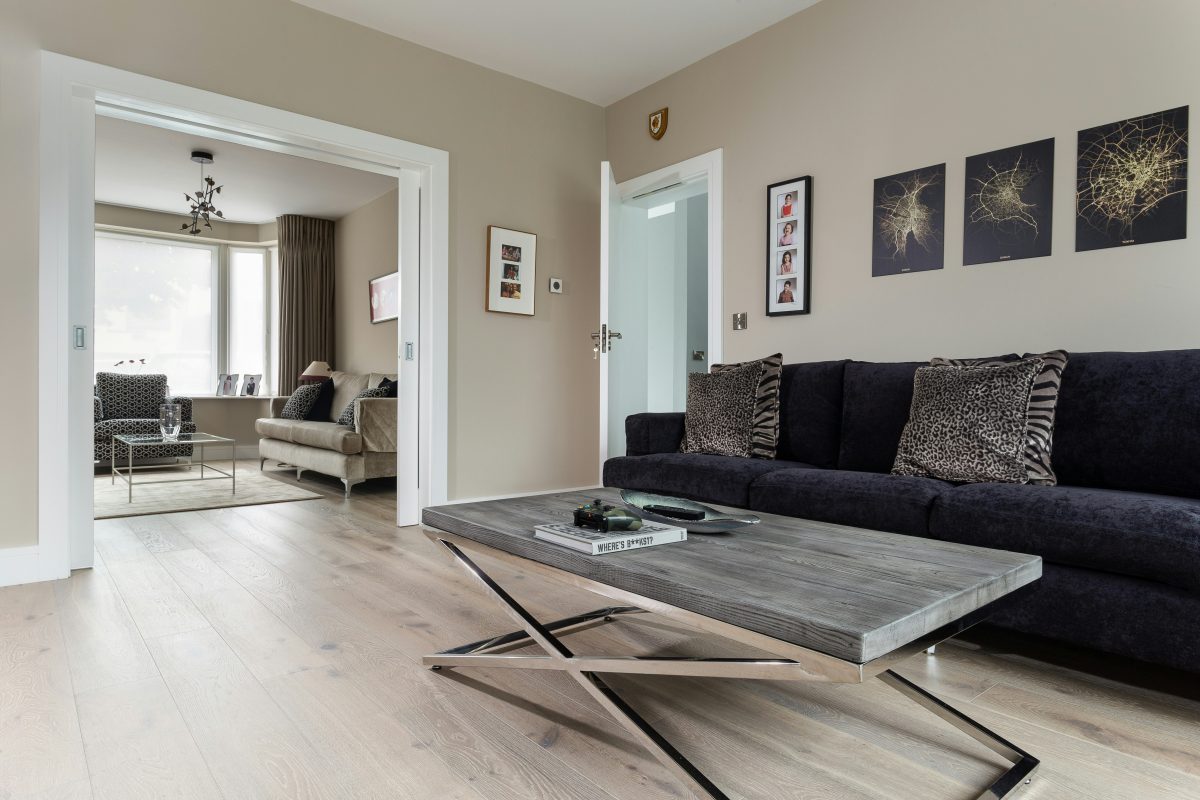
A well-organized home does not have to look like a catalog, it just needs to work for how you live. The goal is to make daily tasks easier and to keep visual noise low so rooms feel calm. When storage supports routines, you stop shuffling piles and start moving with purpose. With a few practical choices and repeatable habits, functional spaces begin to emerge in every room.
Start With Zones That Match Real Routines
Before buying containers, map the way you actually use each space. Think about where shoes land, where mail pauses, and where backpacks rest during the week, then assign those activities to clear zones with simple boundaries. If a project demands extra capacity beyond the walls of your home, consider partnering with local Coburg North storage to create breathing room while you right-size belongings. This gives you time to sort without crowding hallways and worktops, and it keeps rooms usable while decisions are made. When tasks have obvious homes, clutter stops migrating, and your layout begins to guide behavior automatically.
Choose Containers That Serve Access First
Great organizers make finding and returning items simple, even on busy days. Transparent bins with readable labels beat deep, opaque boxes because your eyes can scan and decide quickly. Lids should open easily with one hand, and handles should fit your grip so you do not avoid putting things away. In closets, low open bins are perfect for daily grab items like scarves, hats, or gym gear, while lidded boxes live on higher shelves for seasonal supplies. Favor a consistent container style in each room so the look feels cohesive and your hands learn where edges are without thinking.
Build Vertical Capacity Without Sacrificing Calm
Walls can carry weight and order when floor space is tight. Shallow shelves near the entry can hold keys, wallets, and a small tray for mail, and hooks below accept bags without blocking the door. In kitchens, a slim rail for utensils keeps counters open while placing helpful tools at arm’s reach.
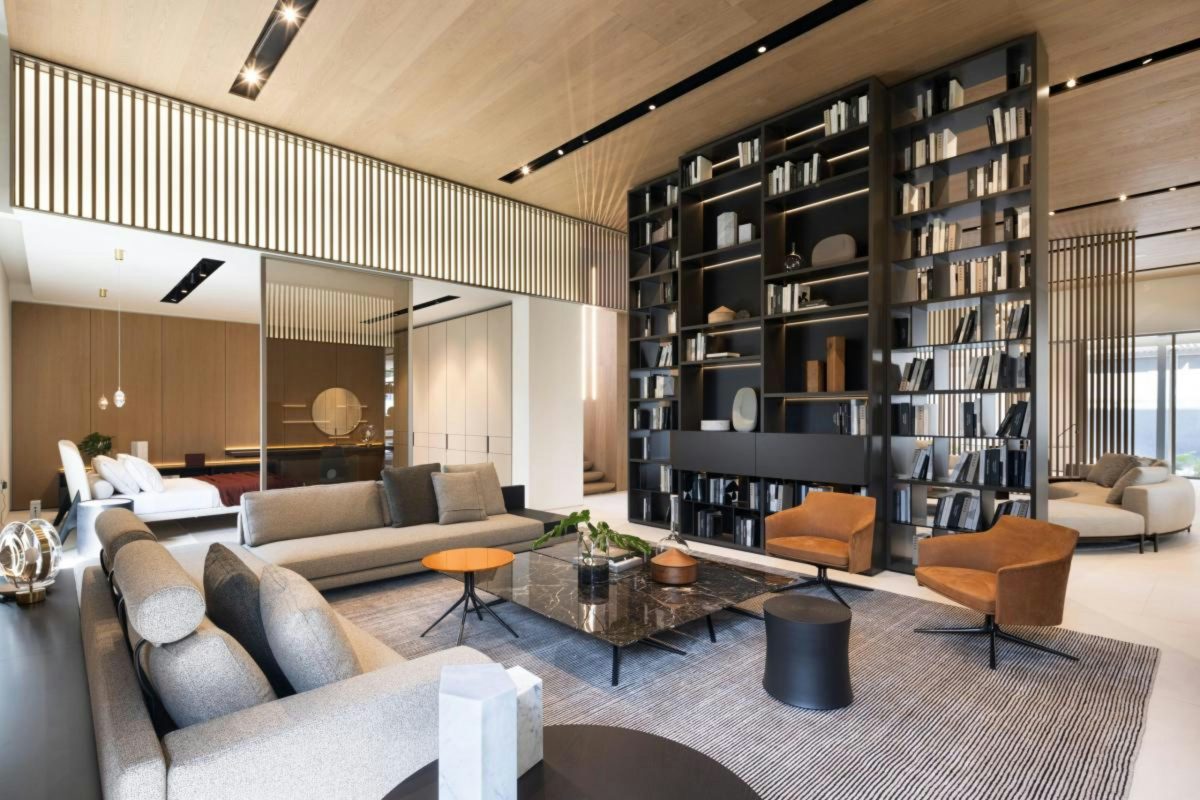
Living rooms benefit from bookcases with closed storage at the bottom and open display above, which hides chargers and remotes while leaving shelves for plants or photos. Bathrooms gain space with mirrored cabinets that store daily essentials at eye level, so counters stay clear, and cleaning is faster.
Use Light, Color, And Texture To Reduce Visual Noise
Organization is not only about where things live, but it is also about how they look together. Light paint and soft, matte finishes help surfaces recede so the eye rests on clean planes instead of scanning for edges. Choose two or three complementary tones for boxes, baskets, and textiles so the palette reads as one story across a room.
If you love patterns, keep it on a single element like a rug or curtain and let containers stay quiet in solid shades. Good lighting matters too, because even gentle light makes labels easy to read and corners easier to maintain. When the visual language is consistent, the same amount of stuff feels calmer and easier to manage.
Set Up Landing Spots And Exit Paths
Clutter forms where items have nowhere to land or leave. Create a landing spot near each entrance with a tray for keys and a vertical sorter for incoming papers, and empty both at a set time each week. For outgoing items, keep a tote by the door labeled returns, repairs, or donations so errands begin without hunting.
In kids’ rooms, a small bin at the foot of the bed catches stray toys at night and gets emptied before breakfast, so the floor resets daily. Laundry flows better when hampers are divided by light and dark from the start, saving sorting time and keeping loads regular. Clear paths in and out make rooms feel lighter and keep tasks from stacking up.
Maintain With Micro Habits And Short Reviews
A sustainable organization comes from small behaviors you can repeat. Aim for a two-minute tidy after dinner, where each person returns three items to their homes, and do a five-minute reset before bed to clear surfaces in the kitchen and living room.
Once a month, choose one zone to review and remove anything that has not been used since the last check. Take a quick photo before and after that zone so you can see progress and adjust layouts that are not earning their keep. If your home is in transition, keep one labeled box for undecided items and revisit it at the end of the quarter with a firm choice to keep, donate, or store.
A functional home is the product of thoughtful zones, simple containers, and habits that take minutes rather than hours. Vertical solutions and quiet palettes keep rooms feeling open while landing spots and exit paths prevent piles from forming. Short, regular resets protect the progress you make, and seasonal swaps keep prime spaces aligned with current life. With these choices in place, the organization supports your day instead of demanding it, and each room becomes a calm partner in the way you live.
Read more: 3 Home Improvements That Help Prevent Costly Repairs in Mississippi
Read more: House Cleaning Services That Support Seniors and Independent Living