Common Construction Accidents Handled by Atlanta Lawyers
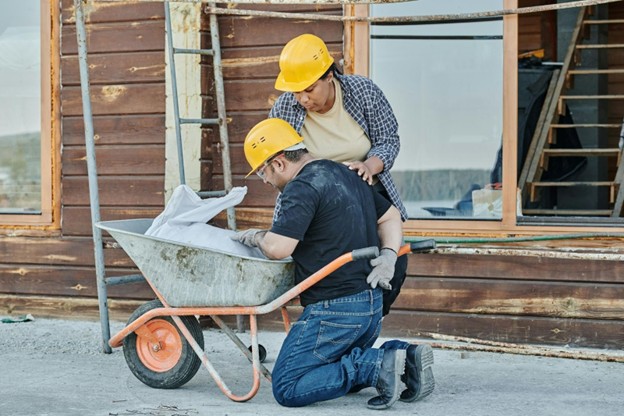
As someone traversing the complexities of construction law, you’ll recognize the critical role Atlanta lawyers play when handling common construction accidents. These cases often involve intricate details, such as falls from heights and equipment malfunctions. Lawyers meticulously analyze incident reports and witness testimonies to establish liability, often uncovering negligence in safety protocols. Their expertise in evaluating compliance with OSHA regulations is pivotal. Curious about how they secure justice and compensation for injured workers?
Falls From Heights
When considering construction site safety, it is vital to address the noteworthy risk posed by falls from heights, which remain a prevalent cause of occupational injuries and fatalities. This issue necessitates strict adherence to construction regulations designed to enhance workplace safety. You must guarantee compliance with OSHA’s guidelines, which mandate guardrails, safety nets, and personal fall arrest systems. In the case of non-compliance, legal liability can arise, exposing you to potential litigation. Consider the precedent set in Smith v. ABC Construction, where the court held the employer liable due to inadequate safety measures. To mitigate risks, regular safety audits and employee training are essential. Adhering to these protocols can considerably reduce the likelihood of fall-related incidents and protect your workforce from preventable harm.
Equipment Malfunctions
While safeguarding against falls from heights is a critical component of construction site safety, one must also be vigilant regarding equipment malfunctions, another significant source of workplace hazards. Legal cases often reveal that inadequate equipment maintenance is a primary factor. You must guarantee that regular inspections and maintenance protocols are strictly followed to mitigate risks. When machinery safety is compromised due to neglect or oversight, the potential for severe injuries escalates. Atlanta lawyers frequently handle cases where equipment malfunctions result in catastrophic outcomes. Seeking construction accident legal guidance in Atlanta can help ensure proper liability evaluation and support in pursuing rightful compensation. It’s essential for employers to implement robust machinery safety measures, ensuring every piece of equipment functions properly. In litigation, a detailed analysis of maintenance records often becomes pivotal. An attorney will scrutinize these records to establish liability and negligence.
Electrocution Incidents
In electrocution incidents, you’ll often encounter contributory negligence arising from improper handling of electrical equipment or failure to adhere to established safety protocols. It’s critical to examine whether safety measures, such as Lockout/Tagout procedures, were ignored, which directly impacts liability assessments. Legal responsibilities of employers and contractors include ensuring compliance with OSHA regulations to mitigate risks and prevent potential litigation.
Causes of Electrocution
Although construction sites are inherently perilous, electrocution incidents remain a significant risk due to the widespread presence of electrical systems and equipment. The primary causes of electrocution often involve inadequate electrical safety protocols and insufficient workplace training. You might encounter instances where untrained personnel inadvertently contact live wires, transformers, or improperly grounded equipment, resulting in severe injuries. Additionally, faulty or obsolete wiring and equipment can lead to dangerous electrical failures.
In legal terms, negligence might be established if an employer fails to guarantee proper electrical safety measures and thorough workplace training. Case analysis frequently reveals that liability could extend to contractors or subcontractors who neglected to implement necessary precautions. Consequently, understanding the underlying causes is vital for preventing future electrocution incidents on construction sites.
Safety Measures Ignored
Numerous safety measures are often ignored on construction sites, leading to preventable electrocution incidents. As someone involved in site management or operations, ensuring thorough safety training is essential. You might notice that shortcuts in accident prevention measures can result in dire consequences. For instance, inadequate insulation of live wires or failure to de-energize circuits during maintenance tasks are common oversights.
A detailed analysis of such incidents frequently reveals lapses in safety protocols. Regular safety training could mitigate these risks, yet it’s often neglected due to time constraints or perceived cost savings. This negligence not only jeopardizes workers’ lives but also exposes your company to significant legal liabilities. Addressing these oversights proactively can reduce the occurrence of these tragic events.
Legal Responsibilities Involved
When evaluating the legal responsibilities involved in electrocution incidents on construction sites, it is crucial to understand the duty of care owed by employers to their workers. Employers must adhere to legal obligations ensuring a safe working environment, mitigating electrocution risks. Failure to do so might breach worker rights, leading to liability for damages. Key responsibilities include:
- Compliance with OSHA Standards: Employers must implement safety measures as outlined by the Occupational Safety and Health Administration.
- Provision of Training: Workers should receive adequate training on handling electrical equipment safely.
- Maintenance of Equipment: Regular inspection and maintenance of electrical tools and machinery are mandatory.
- Risk Assessment and Hazard Mitigation: Employers must conduct thorough risk assessments to identify and mitigate potential electrical hazards.
Understanding these responsibilities helps in holding negligent parties accountable.
Exposure to Hazardous Substances
When you’re on a construction site, identifying toxic chemicals is essential to maintaining a safe work environment. If safety protocols are ignored, the risk of exposure increases greatly, potentially leading to severe health consequences. In such instances, understanding your legal recourse options becomes vital to address any harm suffered due to negligence.
Identifying Toxic Chemicals
Exposure to hazardous substances, particularly toxic chemicals, represents a significant risk in construction environments. When dealing with toxic exposure cases, identifying chemicals is essential. You must assess whether chemical regulations have been breached. Consider the following factors:
- Chemical Documentation: Verify if safety data sheets (SDSs) for all chemicals are available and up-to-date.
- Label Accuracy: Confirm labels on chemical containers are correct and comply with regulatory standards.
- Testing and Monitoring: Conduct air and surface testing to detect toxic chemicals, confirming the presence or absence of hazardous substances.
- Training and Awareness: Evaluate if workers have received proper training on handling and identifying chemicals.
Atlanta lawyers adept in construction law analyze these elements to build thorough cases, guaranteeing legal protection and compensation for affected workers.
Safety Protocols Ignored
Although construction sites are governed by a myriad of safety protocols, lapses in adherence can lead to severe consequences, particularly regarding hazardous substance exposure. When safety training is insufficient or ignored, workers are at risk of encountering toxic materials like asbestos or lead, potentially leading to significant health issues. Regulatory compliance is not merely a guideline but a legal obligation; failure to adhere can result in both immediate and long-term repercussions for both employer and employee. In many instances, inadequate safety measures reflect a systemic disregard for established regulations. Such negligence often becomes evident in case analyses, where failure to implement and enforce proper procedures highlights the breach of duty. Ultimately, ignoring safety protocols compromises worker safety and invites legal scrutiny.
Legal Recourse Options
If you’ve been exposed to hazardous substances on a construction site, understanding your legal recourse options is crucial. You may pursue various avenues to guarantee you receive rightful compensation. Consider these actions:
- Worker Compensation Claim: File for worker compensation to cover medical expenses and lost wages due to exposure-related health issues.
- Legal Claims Against Third Parties: If a third party’s negligence caused the exposure, you might have grounds for a separate legal claim.
- OSHA Violations: Investigate if your employer violated Occupational Safety and Health Administration (OSHA) regulations, strengthening your case.
- Toxic Tort Lawsuits: In cases involving widespread harm, toxic tort lawsuits can address long-term health impacts.
Consulting with a seasoned lawyer will help navigate these options effectively.
Trenching and Excavation Accidents
Trenching and excavation accidents, while often preventable, remain a significant concern in construction law due to their potential for catastrophic outcomes. As someone involved in such projects, you must adhere to trench safety protocols and comply with excavation regulations to mitigate risks. Non-compliance can lead to legal complications, where Atlanta lawyers might argue negligence due to insufficient protective systems or improper soil analysis.
In a case analysis, they’ll examine whether safety measures like sloping, shoring, and shielding were implemented. Failure in these areas can result in severe legal repercussions. Your responsibility extends to ensuring site inspections, as stipulated by OSHA standards, are regularly conducted. Ignoring these can lead to injuries or fatalities, making legal defense challenging if preventative measures weren’t observed.
Scaffolding Collapses
Scaffolding collapses, often resulting from inadequate structural integrity or oversight, pose a substantial legal risk within the domain of construction accidents. As you navigate these complex scenarios, understanding the key elements of scaffolding safety and construction regulations is essential. When evaluating liability, consider:
- Inspection Protocols: Was there a failure to conduct regular safety checks?
- Compliance with Regulations: Did the scaffolding adhere to OSHA standards?
- Design and Materials: Were substandard materials or flawed design responsible?
- Training and Supervision: Was there a lack of proper worker training or supervision?
Each factor plays a pivotal role in determining negligence. Atlanta lawyers skilled in construction accident cases can dissect these details, ensuring justice and compensation. By focusing on these aspects, you can effectively address the legal intricacies of scaffolding collapses.
Struck-By Object Incidents
In evaluating struck-by object incidents, you must consider various causative factors such as falling tools, unsecured loads, or collapsing structures, which frequently result from non-compliance with safety regulations. Victims of these accidents can pursue legal recourse by demonstrating negligence, breach of statutory duty, or failure to provide a safe working environment under OSHA standards. It’s essential that you gather thorough evidence, including incident reports and witness testimonies, to substantiate claims effectively.
Causes of Struck-By Accidents
Although construction sites are inherently hazardous, understanding the causes of struck-by accidents is critical to mitigating risks. Struck-by incidents often arise from identifiable construction site hazards that, if addressed, can greatly improve worker safety. The following factors frequently contribute to such accidents:
- Inadequate worker safety training: Workers lacking proper training are more susceptible to hazards, increasing the likelihood of accidents.
- Improper equipment usage: Misuse or malfunction of machinery can lead to objects being inadvertently propelled or dropped.
- Falling objects: Construction materials or tools not secured properly can fall, striking individuals below.
- Vehicle accidents: Construction vehicles operating in confined spaces can inadvertently strike workers if not handled with precision.
Each factor underscores the necessity for rigorous safety protocols to protect workers from preventable harm.
Legal Recourse for Victims
For those affected by struck-by object incidents on construction sites, legal recourse can be an essential avenue for obtaining compensation. Understanding your rights and the legal process is vital. You may file compensation claims to cover medical expenses, lost wages, and other damages resulting from the accident. Analyzing your case involves determining whether negligence was a factor, such as lack of proper safety measures or failure to adhere to regulations.
Victim advocacy plays a pivotal role in ensuring that your voice is heard and your rights are protected. Engaging an experienced Atlanta lawyer specializing in construction accidents can greatly enhance your chances of a favorable outcome. They’ll guide you through the intricacies of the legal system, ensuring you receive the justice and compensation you deserve.
Caught-In/Between Accidents
When evaluating construction site hazards, caught-in/between accidents represent a significant concern due to their potential to cause severe injury or fatality. You must consider the legal implications involved when workers are trapped by machinery or between objects. Inadequate safety training can exacerbate workplace hazards, leading to catastrophic outcomes. Legal cases often reveal a lapse in employer responsibilities, pinpointing failures such as:
- Neglecting proper equipment maintenance
- Ineffective safety training programs
- Ignoring established safety protocols
- Inadequate supervision on-site
Atlanta lawyers adeptly navigate these cases, determining liability and arguing for just compensation. They critically evaluate documentation, witness accounts, and compliance with OSHA regulations to build a compelling case for affected workers. Proper legal representation guarantees those injured receive rightful reparation for their suffering and losses.
Crane Accidents
Crane accidents, often resulting from complex operational failures or oversights, are a critical area of concern in construction law. When examining these incidents, you must consider the intricacies of crane safety protocols and the adequacy of operator training. In legal disputes, establishing liability often hinges on whether the crane operator received extensive training as mandated by industry standards. A thorough analysis involves scrutinizing maintenance records, safety compliance documents, and operator certifications. Atlanta lawyers frequently encounter scenarios where insufficient operator training leads to catastrophic failures, raising questions about employer negligence. Additionally, failure to adhere to crane safety guidelines, such as proper load management and equipment inspection, can be pivotal in determining fault. Legal experts meticulously evaluate these factors to construct compelling case arguments.
Vehicle Collisions on Construction Sites
While crane accidents highlight the importance of operator training and safety protocols, vehicle collisions on construction sites present another significant challenge in construction law. As you navigate these complex cases, understanding vehicle safety and adhering to site regulations are paramount. Lawyers examine negligence and liability, often focusing on the following factors:
- Inadequate vehicle safety measures: Were seat belts or warning signals ignored?
- Violation of site regulations: Did the collision occur due to improper signage or barriers?
- Driver distraction or impairment: Was the operator under the influence or distracted?
- Equipment malfunction: Did a mechanical failure contribute to the accident?
Analyzing these elements helps assess responsibility and potential damages. With construction zones being high-risk areas, ensuring compliance with vehicle safety standards can mitigate legal repercussions.
Frequently Asked Questions
What Legal Rights Do Injured Construction Workers Have in Atlanta?
You’re entitled to injured workers’ rights, ensuring compensation if hurt on a construction site. Site responsibilities must be met by employers. Analyze cases for negligence, safety breaches, and compliance with OSHA standards to determine liable parties.
How Can Lawyers Help With Workers’ Compensation Claims?
Lawyers can enhance your workers’ compensation claim by ensuring your rights are protected, guiding through the complex compensation process, and providing detailed case analysis to secure maximum benefits. They’ll address legal nuances and advocate effectively on your behalf.
What Evidence Is Needed to Prove Negligence in Construction Accidents?
To prove negligence in construction accidents, you’ll need to meet negligence standards, showing breach of duty, causation, and damages. Gather evidence like safety reports, eyewitness testimonies, and expert analysis to satisfy proof requirements in your case analysis.
How Long Do Victims Have to File a Construction Accident Lawsuit?
You’ve got two years from the accident date to file your lawsuit in Georgia, in accordance with the statute of limitations. Be vigilant about filing deadlines, as missing them could jeopardize your case’s viability.
Can Family Members Sue for Wrongful Death in Construction Accidents?
Yes, you can sue for wrongful death in construction accidents. Family members may pursue compensation for loss of support, companionship, and funeral expenses. A detailed case analysis is essential to determine appropriate damages and potential legal strategies.