Steps to Take After a Cruise Ship Injury: A Comprehensive Guide
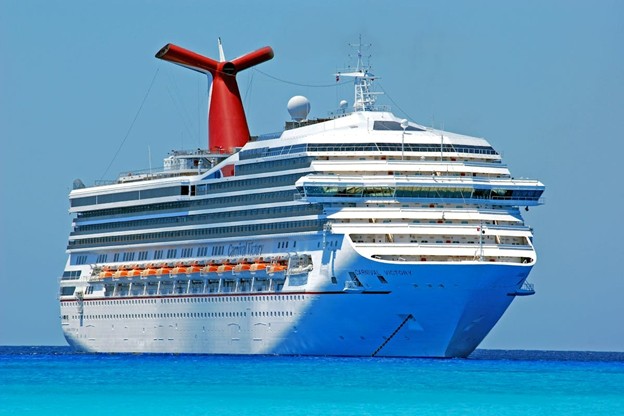
Every year, approximately 30 million passengers board cruise ships worldwide, yet only a fraction understand their legal rights when accidents occur at sea. According to the Cruise Lines International Association’s 2024 safety report, passenger injury incidents have decreased 15% over the past decade, but when they do happen, the complexity of maritime law creates a legal maze that can trap even experienced travelers. The challenge isn’t just getting immediate medical care; it’s navigating a regulatory framework where international waters, foreign flagged vessels, and multiple jurisdictions can turn a simple injury claim into a years-long legal battle.
What makes cruise ship injuries particularly complex is the intersection of maritime law, international jurisdiction, and corporate liability structures designed to limit exposure. Unlike land-based accidents where local laws clearly apply, incidents at sea involve multiple legal systems, strict filing deadlines, and evidence that can literally sail away. For the thousands of passengers injured annually, from slip-and-falls on wet decks to more serious incidents involving equipment failure, having access to knowledgeable cruise ship injury legal assistance can help clarify the next steps and reduce the risk of critical legal missteps that could otherwise lead to dead ends.
The stakes are higher than most realize: maritime law operates under different liability standards, shorter statute of limitations, and forum selection clauses that can force cases into distant courts. Here’s what passengers need to know about protecting their rights from the moment an injury occurs.
What Is a Cruise Ship Injury and Your Rights?
Cruise ship injuries encompass any physical harm sustained aboard a vessel or during ship-sponsored excursions, but the legal definition carries implications that extend far beyond simple negligence. Under maritime law, these incidents fall under admiralty jurisdiction, a specialized area of law that predates modern personal injury statutes and operates under different liability standards than land-based accidents.
The distinction matters because cruise lines benefit from legal protections unavailable to other businesses. The Death on the High Seas Act (DOHSA), for instance, limits certain types of damages, while the Limitation of Liability Act allows ship owners to cap their financial exposure based on the vessel’s value after an incident. These maritime-specific laws create a legal landscape where traditional personal injury approaches often fail.
Definition of a Cruise Ship Injury
Maritime injuries are legally classified into three categories: those occurring in territorial waters (within 12 miles of shore), on the high seas, or during port excursions. Each classification triggers different legal frameworks and available remedies. Territorial water incidents typically fall under the law of the nearest coastal state, while high seas injuries invoke federal maritime law exclusively. Port excursions present the most complex scenario, as liability may shift between the cruise line, local tour operators, and foreign legal systems.
The timing and location of an incident dramatically affects passenger rights. A slip-and-fall in Miami’s port operates under Florida law, while the same incident 13 miles offshore falls under federal maritime jurisdiction with different liability standards and damage limitations. This jurisdictional complexity explains why documentation of the exact time and location becomes crucial evidence.
Passenger Rights Under Maritime Law
Maritime law recognizes that cruise passengers have a right to reasonably safe transportation, but “reasonable” differs significantly from land-based standards. Cruise lines must provide a seaworthy vessel, competent crew, and safe appliances, but they’re not insurers of passenger safety. This means proving negligence requires demonstrating that the cruise line knew or should have known about a dangerous condition and failed to remedy it.
The concept of “notice” becomes critical in maritime cases. Unlike land-based premises liability where property owners bear broad responsibility for hazardous conditions, maritime law requires proof that the cruise line had actual or constructive notice of the specific danger that caused injury. This higher burden of proof explains why immediate documentation and witness statements become essential for viable claims.
Passenger rights also include access to reasonable medical care aboard the vessel, though cruise ship medical facilities aren’t required to meet the same standards as shore-based hospitals. The adequacy of onboard medical response often becomes a secondary legal issue when initial injuries are compounded by inadequate treatment at sea.
Immediate Steps to Take After a Cruise Ship Injury
The first hour following a cruise ship injury often determines the viability of any future legal claim, yet most passengers focus solely on medical concerns without understanding the evidence that’s already disappearing around them. Unlike land-based accidents where scenes remain static for investigation, cruise ships operate continuously: cleaning crews remove hazards, witnesses disembark, and crew members receive instructions that may affect their later testimony.
The maritime environment creates unique documentation challenges that require immediate action. Weather conditions change, deck surfaces dry, and equipment gets repaired or replaced as part of normal ship operations. Security footage, which could provide crucial evidence, operates on limited storage cycles and may be overwritten within days if not formally preserved.
Medical Care and Documentation
Seeking immediate medical attention serves dual purposes: ensuring proper treatment and creating the medical record that becomes foundational evidence in any future claim. However, passengers must understand that cruise ship medical facilities operate under different standards than land-based hospitals, and the medical staff are typically employed by independent contractors rather than the cruise line itself.
When reporting to the medical facility, provide a detailed account of how the injury occurred, emphasizing any dangerous conditions you observed. Request copies of all medical records immediately. Maritime law doesn’t guarantee the same patient access rights as domestic healthcare, and obtaining records after disembarkation can prove difficult when medical staff are foreign nationals working under international employment contracts.
Document your injuries photographically before and after medical treatment. Include wide-angle shots showing the injury in context and close-up images capturing specific damage. If medical treatment alters the appearance of injuries (such as cleaning wounds or applying bandages), photograph both the original state and post-treatment condition.
Reporting the Incident Properly
Filing an incident report with ship security represents a critical legal requirement, but the process requires strategic awareness. Cruise lines train their crew to limit liability exposure through careful incident report procedures, and the language used in these reports can significantly impact future legal proceedings.
When providing your statement, stick to factual observations rather than conclusions about causation. Describe what you saw, heard, and felt without speculating about why the condition existed. For example, state “the deck was wet and slippery” rather than “the crew didn’t clean the deck properly.” The former is an observation; the latter is a legal conclusion that could be disputed or used to demonstrate your lack of technical knowledge about ship operations.
Request a copy of the incident report immediately. Maritime law doesn’t require cruise lines to provide these documents to passengers, and obtaining them later through legal discovery can be time-consuming and expensive. If the crew refuses to provide a copy, document this refusal in writing and note the names and positions of the individuals involved.
Contacting Legal Professionals
Maritime law operates under strict time limitations that make early legal consultation essential, even for seemingly minor injuries. The statute of limitations for maritime personal injury claims is typically one year from the date of incident, significantly shorter than most land-based personal injury claims. Additionally, most cruise line tickets contain forum selection clauses requiring lawsuits to be filed in specific jurisdictions, often far from the passenger’s home state.
When contacting attorneys, seek those with specific maritime law experience. General personal injury attorneys, regardless of their expertise in other areas, often lack the specialized knowledge required for admiralty cases. Maritime law involves federal courts, unique liability standards, and procedural requirements that differ substantially from state court personal injury practice.
Document all conversations with potential legal counsel, including advice given about evidence preservation and immediate actions required. Some maritime attorneys may provide immediate guidance on evidence collection even before formal representation agreements are signed, recognizing that crucial evidence preservation cannot wait for contract negotiations.
Understanding the Legal Process for Cruise Ship Claims
Maritime personal injury claims follow a fundamentally different legal pathway than land-based accidents, operating through federal courts under admiralty jurisdiction with procedures that often surprise even experienced litigants. Unlike state court personal injury cases where jury trials are common, maritime cases may be tried before federal judges without juries, and the damage calculations follow different formulas that can significantly limit compensation.
The complexity multiplies when considering that most cruise ships operate under foreign flags of convenience, typically Bahamas, Panama, or Liberia, while being owned by corporations domiciled in different countries entirely. This corporate structure creates layers of legal complexity designed to limit liability exposure and forum shopping opportunities that can frustrate traditional legal approaches.
Evidence Collection and Preservation
Preserving evidence in maritime cases requires understanding both the unique environment of cruise ships and the legal standards for admissibility in federal court. Physical evidence disappears rapidly aboard operating vessels: deck surfaces are cleaned continuously, equipment is repaired or replaced, and weather conditions that contributed to accidents change by the hour.
Photographic evidence must capture not just the injury scene but the broader environmental context that may have contributed to the incident. Document weather conditions, sea state, ship movement, lighting conditions, and any other factors that might have influenced the accident. Include time stamps and location information when possible, as the ship’s position relative to territorial waters can affect legal jurisdiction.
Witness identification becomes particularly challenging on cruise ships where passengers and crew represent multiple nationalities and may be difficult to locate after disembarkation. Collect contact information immediately, understanding that passengers will scatter to their home countries and crew members may transfer to other vessels. Request witness statements in writing when possible, as verbal accounts may be difficult to verify later.
Medical evidence preservation extends beyond treatment records to include documentation of how the maritime environment affected injury assessment and treatment. Note any limitations in diagnostic capabilities, treatment options, or medical equipment that may have influenced the course of care. This documentation becomes crucial if inadequate medical response becomes part of the legal claim.
Liability Determination and Legal Definitions
Maritime negligence operates under the standard of “reasonable care under the circumstances,” but those circumstances include factors unique to the marine environment that courts recognize as affecting the duty of care. Rough seas, for instance, may excuse certain conditions that would constitute negligence on land, while cruise lines bear heightened responsibility for maintaining safe passages and public areas regardless of weather conditions.
The concept of “seaworthiness” extends beyond the vessel’s structural integrity to include the competence of crew members and the adequacy of equipment and procedures. A properly constructed ship can be rendered unseaworthy by inadequate crew training, defective equipment, or dangerous operational procedures. This broad interpretation of seaworthiness often provides additional legal theories for recovery beyond simple negligence claims.
Comparative fault analysis in maritime cases considers passenger behavior against the standard of reasonable prudence under maritime conditions. Courts recognize that ship movement, confined spaces, and unfamiliar environments affect reasonable behavior expectations, but passengers still bear responsibility for obvious dangers and clearly posted warnings.
Working With Legal Professionals
Maritime attorneys approach cases differently than general personal injury lawyers, beginning with jurisdiction analysis and forum selection issues before proceeding to liability assessment. The choice of legal forum can dramatically affect case outcomes, as different federal circuits have developed varying interpretations of maritime law principles, and forum selection clauses in cruise tickets may limit options.
Effective maritime representation requires attorneys with specific cruise industry knowledge, including understanding of industry safety standards, crew training requirements, and typical operational procedures. This specialized knowledge becomes crucial when deposing crew members or challenging cruise line safety protocols, as maritime operations involve technical considerations unfamiliar to general practitioners.
The fee structure for maritime cases often differs from typical personal injury contingency arrangements due to the federal court environment and the complexity of admiralty procedure. Discussion of fee arrangements should include potential costs for expert witnesses, maritime consultants, and international discovery procedures that may be required to develop the case fully.
Cruise Ship Safety Protocols and Passenger Responsibilities
Modern cruise ships operate under a complex web of international safety regulations, with the International Maritime Organization (IMO) setting global standards that individual flag states implement and enforce. However, the effectiveness of these safety protocols depends heavily on proper implementation, crew training, and passenger cooperation, creating a shared responsibility framework that affects both accident prevention and liability determination.
The 2024 update to the International Safety Management Code introduced enhanced requirements for passenger safety briefings and crew training protocols, responding to analysis showing that 67% of serious cruise incidents involved some element of inadequate safety communication or passenger misunderstanding of shipboard procedures. These regulatory changes reflect growing recognition that safety at sea requires active participation from both crew and passengers.
Safety Measures on Modern Cruise Vessels
Contemporary cruise ship safety systems integrate multiple layers of protection, from advanced weather routing and dynamic positioning systems to comprehensive medical facilities and emergency response protocols. The SOLAS (Safety of Life at Sea) Convention requires specific safety equipment, training standards, and emergency procedures, but implementation varies significantly across different flag states and cruise lines.
Deck safety represents the most visible area where technology meets regulation. Modern ships employ anti-slip surface treatments, drainage systems designed for heavy weather, and handrail configurations that meet international standards, yet slip-and-fall incidents remain the most common passenger injury type. This apparent contradiction reflects the challenge of balancing aesthetic design with safety functionality in spaces used by thousands of passengers daily.
Emergency evacuation systems have evolved considerably following lessons learned from incidents like the Costa Concordia disaster. Current regulations require passenger muster drills within 24 hours of embarkation, but research indicates that passenger retention of safety information decreases significantly after the initial briefing, creating ongoing communication challenges for crew members.
Passenger Awareness and Emergency Response
Passenger behavior plays a crucial role in shipboard safety, yet most travelers receive minimal preparation for the maritime environment beyond mandatory safety briefings that often fail to convey the practical realities of ship operations. Understanding how ship movement affects balance, how weather conditions change deck surfaces, and where to find safety equipment can prevent many common injuries.
The concept of “sea legs,” the physiological adaptation to ship movement, affects passenger safety for the first several days of any cruise. During this adaptation period, passengers face higher risk of falls and motion-related injuries, yet few cruise lines adequately warn passengers about this temporary vulnerability. Experienced maritime safety experts recommend avoiding alcohol and maintaining lower centers of gravity during the initial adaptation period.
Emergency response effectiveness depends on passenger cooperation with crew instructions, but language barriers and cultural differences can complicate communication during critical situations. Modern cruise ships carry passengers from dozens of countries, creating communication challenges that emergency protocols must address through visual aids, multiple languages, and clear procedural standards.
Evaluation of Cruise Ship Maintenance Practices
Preventive maintenance aboard cruise ships operates under continuous pressure from operational demands, as ships rarely have extended downtime for major repairs or systematic maintenance. This operational reality creates maintenance scheduling challenges that can affect passenger safety when routine inspections or repairs are delayed to maintain cruise schedules.
The marine environment accelerates wear on safety equipment, handrails, deck surfaces, and emergency systems in ways that land-based facilities don’t experience. Salt air, constant vibration, temperature variations, and heavy passenger traffic combine to create maintenance demands that require specialized knowledge and continuous attention. Regulatory inspections, while mandatory, occur too infrequently to catch all developing safety issues.
Third-party maintenance contractors often perform specialized work during port calls, creating coordination challenges that can affect safety system integrity. When maintenance work is performed by contractors unfamiliar with specific ship systems or operating procedures, the potential for safety compromises increases, particularly if work is rushed to meet sailing schedules.
Addressing Common Concerns and Misconceptions
Despite extensive media coverage of cruise ship incidents, public understanding of maritime safety and legal procedures remains clouded by misconceptions that can affect both passenger behavior and legal decision-making. The dramatic nature of rare catastrophic events often overshadows the statistical reality of cruise ship safety, while the complexity of maritime law creates confusion about passenger rights and remedies.
Industry marketing emphasizes safety statistics: cruise ships transport millions of passengers annually with relatively few serious incidents, but these aggregate numbers don’t address the unique legal challenges passengers face when injuries do occur. The disconnect between safety statistics and legal complexity creates unrealistic expectations about claim resolution and compensation that can affect passenger decision-making following incidents.
Statistical Trends in Cruise Ship Accidents
Cruise industry safety data shows a continued decline in passenger injury rates over the past decade, with the Cruise Lines International Association reporting a 23% reduction in reportable incidents between 2019 and 2024. However, these statistics reflect only incidents that meet specific reporting thresholds and don’t capture minor injuries that may still result in significant medical expenses or legal complications.
The types of incidents have shifted significantly as safety technology improved. While catastrophic events like ship groundings or fires have become extremely rare, slip-and-fall incidents, medical emergencies, and excursion-related injuries now represent the majority of passenger claims. This shift reflects both improved ship design and the changing demographics of cruise passengers, with older travelers representing an increasing percentage of the passenger base.
Seasonal patterns in cruise ship incidents correlate strongly with weather conditions and passenger demographics. Caribbean cruises during hurricane season show elevated incident rates despite improved weather forecasting and routing, while Alaska cruises during wildlife viewing seasons experience different injury patterns related to passenger movement and deck conditions.
Role of Crew Training in Accident Prevention
Crew training standards vary significantly across different cruise lines and flag states, creating inconsistencies in safety protocol implementation that can affect passenger protection. While international regulations set minimum training requirements, the interpretation and implementation of these standards depend on individual cruise line policies and flag state enforcement priorities.
Language barriers among international crew members can complicate safety communication, particularly during emergency situations when clear, rapid communication becomes critical. Modern cruise ships employ crew members from dozens of countries, and while English serves as the working language at sea, accent differences and cultural communication styles can affect safety protocol effectiveness.
Crew turnover rates in the cruise industry, often exceeding 30% annually, create ongoing training challenges that affect institutional safety knowledge. New crew members require time to understand ship-specific procedures and passenger interaction protocols, during which safety communication may be less effective than with experienced staff.
Historical Case Studies of Cruise Ship Injuries
Analysis of significant cruise ship injury cases reveals patterns that illuminate both legal challenges and safety improvements. The 2013 Carnival Triumph engine fire demonstrated how mechanical failures can create cascading safety issues, while also highlighting the legal complexities of incidents occurring in international waters with passengers from multiple jurisdictions.
Shore excursion incidents present particularly complex legal scenarios, as demonstrated by numerous cases where passengers injured during cruise line-sponsored activities face jurisdictional challenges and liability disputes between cruise lines and local operators. These cases illustrate the importance of understanding how excursion arrangements affect legal rights and remedies.
Medical malpractice claims aboard cruise ships operate under different standards than land-based healthcare, as demonstrated by cases where passengers received inadequate treatment for serious conditions. The limited diagnostic capabilities and treatment options available at sea create unique medical-legal issues that traditional malpractice analysis doesn’t address adequately.
Advanced Considerations in Cruise Ship Safety and Law
The globalized nature of the cruise industry creates legal and safety challenges that extend beyond traditional maritime law, involving international treaties, diplomatic considerations, and enforcement mechanisms that operate across multiple jurisdictions. As cruise ships become larger and carry passengers to more remote destinations, these complexities multiply, requiring sophisticated understanding of how different legal systems interact in maritime environments.
Technological advancement in cruise ship operations introduces new safety opportunities while creating novel legal questions about liability and responsibility. Automated systems, enhanced communications capabilities, and improved medical facilities all contribute to passenger safety, but they also create new categories of potential failure and corresponding legal theories for recovery.
Differences in International Maritime Law
Maritime law varies significantly among flag states, creating a complex landscape where identical incidents aboard ships flying different flags may result in dramatically different legal outcomes. Panama and Liberia, which register the majority of cruise ships, maintain maritime codes that generally favor ship owners through limited liability provisions and procedural requirements that can disadvantage passenger claims.
The principle of flag state jurisdiction means that ships carry the laws of their country of registration regardless of where they operate, but this principle intersects with coastal state jurisdiction, port state control, and international treaty obligations in ways that create jurisdictional complexity. When incidents occur in territorial waters, multiple legal systems may apply simultaneously, requiring careful analysis to determine which courts have jurisdiction and which laws govern liability.
International treaties like the Athens Convention attempt to harmonize passenger rights across different legal systems, but implementation varies among signatory nations, and many major cruise destinations haven’t ratified these treaties. This patchwork of international law creates situations where passenger rights depend on complex jurisdictional analysis rather than clear, universal standards.
Jurisdictional Challenges in Maritime Injury Claims
Forum selection clauses in cruise line passenger tickets typically require lawsuits to be filed in specific courts, often located in Florida or other cruise industry centers rather than passengers’ home jurisdictions. These clauses have been upheld by federal courts as enforceable contracts, but their application can create significant hardships for passengers who must travel long distances and hire local attorneys to pursue claims.
The enforcement of judgments across international borders adds another layer of complexity to cruise ship injury claims, particularly when cruise lines maintain limited assets in the forum jurisdiction. Even successful claimants may face challenges collecting damages when cruise line assets are held in offshore entities or foreign jurisdictions with limited reciprocal enforcement agreements.
Personal jurisdiction over foreign cruise line entities requires careful legal analysis, as many cruise operations involve multiple corporate entities spread across different countries. The corporate structure of major cruise lines often includes separate entities for ship ownership, operations, marketing, and insurance, each potentially subject to different jurisdictional rules.
Impact of Technological Advancements on Safety
Modern cruise ships incorporate sophisticated safety technologies that both enhance passenger protection and create new legal considerations about the duty of care owed by cruise lines. Advanced weather routing systems, dynamic positioning technology, and real-time monitoring of ship systems all contribute to safer operations, but they also raise questions about the standard of care when these systems are available but not utilized properly.
Communication technology improvements enable better coordination with shore-based medical facilities and emergency response services, but they also create expectations about the level of care that should be available at sea. Telemedicine capabilities, satellite communications, and enhanced medical equipment aboard modern ships may establish higher standards for onboard medical response than existed when maritime medical care standards were originally developed.
Surveillance and monitoring technology aboard cruise ships provides unprecedented ability to document incidents and preserve evidence, but it also raises privacy considerations and questions about data preservation obligations. Security camera systems, passenger tracking technologies, and automated monitoring systems can provide crucial evidence in injury cases, but accessing this evidence requires understanding both legal procedures and technical limitations of shipboard systems.
The evolution of cruise ship technology continues to outpace regulatory frameworks and legal precedents, creating situations where courts must apply traditional maritime law principles to scenarios that didn’t exist when those principles were established. This ongoing legal evolution requires both passengers and legal professionals to understand not just current law, but how technological change may affect future legal development in maritime personal injury law.
As the cruise industry continues expanding into new markets and destinations while incorporating advanced technology and larger vessels, the legal landscape will undoubtedly continue evolving. For passengers, understanding both current rights and responsibilities, as well as emerging trends in maritime law, provides the best foundation for protecting their interests while enjoying the unique experiences that cruise travel offers.