What Makes a Quality Outpatient Detox Center in Marietta
Selecting an outpatient detox facility can be described as one of the most significant healthcare choices of people. The difference between facilities regarding quality ranges significantly, as the standard of quality treatment programs is one that is evidence-based and has a distinct range of activities and protocols, whereas the other one is the bare minimum available because of its low number of staff members and their respective obligations. Knowing what makes a good outpatient detox center is the knowledge that allows one to weigh alternatives and choose the ones that will actually help them to recover successfully.
Best outpatient detox facilities are similar in features which represent adherence to evidence based therapy, patient safety and eventual success in recovery. These characteristics make people differentiate facilities that are truly dedicated to recovery and those that are profit centers and have low standards to care.
Health Care Knowledge and Expert Qualifications
Physicians, nurses, and counselors of the quality detox centers are specially trained in matters of addiction medicine and substance use disorder treatment. They should have staff to provide board-certified addiction medicine physicians, licensed clinical counselors, and experience with detoxification and withdrawal registered nurses. These qualifications are legitimate knowledge, rather than mere facility presence.
Moreover, the quality facilities also need staff licensing and credential checks. Clinical staff is supposed to be licensed and do continuing education in the area of addiction medicine as well as adhere to the standards of the profession. Facilities must be easy to furnish staff credentials at request–this is an expression of quality belief through staff qualification.
Evidence-Based Treatment Protocols

Good facilities apply evidence-based treatment procedures which have been found to be effective after intensive research. These are medication-assisted treatment where needed, individual and group counseling on underlying drivers of addiction and extensive assessments on personalized treatment plans. The therapy must aim at not only management of withdrawal but also overall recovery assistance.
The facilities are supposed to be able to describe their treatment methods and provide research on backing up their methods. The problem is that the treatment plans must be designed on an individual basis depending on the type of substance abuse, the degree of addiction, comorbid mental illnesses, and personal factors, rather than universal strategies used across the board.
Patient Safety Standards
Outpatient detox center in Marietta must have strict safety measures that safeguard patient health. Facilities are supposed to perform an in-depth medical examination that reveals medical conditions that need to be monitored or those that influence safety in the treatment process. An emergency response to medical emergencies should be trained to the staff. The facilities must have a guideline of dealing with complications that arise medically or safety issues during treatment.
Also, quality centers have the right number of staff to patients ratios that allow individual attention. Crowded centres with low staffing do not offer the monitoring and assistance that is needed in the management of safe withdrawal.
Acceptance and Financial Accessibility of Insurance

Quality centers collaborate with insurance companies to make treatment to be affordable and reachable. They are supposed to take the majority of the major insurance plans, have knowledge of insurance coverage and eliminate surprise billing. To the uninsured, quality facilities ought to be provided at a sliding scale depending on income other than provide them with a blanked refusal.
The accessibility of finances eliminates obstacles that deny people the opportunity to obtain the required treatment. Treatment facilities that make it cheap also show their dedication to serving everyone irrespective of their financial status.
Accreditation and Regulatory Compliance
Quality facilities have accreditation by recognized healthcare accrediting bodies and are found to be in compliance with regulatory requirements of the state and federal governments and have clean regulatory histories. Accreditation is the independent confirmation of facilities that comply with the set quality standards.
Extensive Treatment Environment
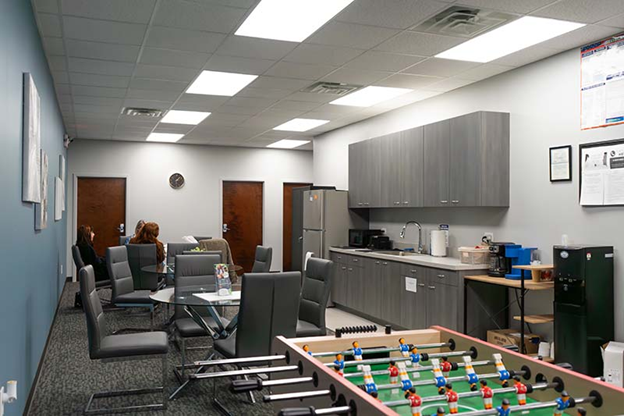
In addition to healthcare services, good facilities have clean and safe supporting conditions that favour recovery. The facilities must be in good conditions, offer comfortable treatment areas, and environments where the patients can feel respected and supported. The physical surroundings influence the psychological wellbeing and engagement in treatment.
Devotion to Aftercare Planning
Ideas Detox centers and health care centers understand that detoxification is a start and not an end of the road to recovery. Facilities must assist patients to move towards continuing care- residential care, an intensive outpatient care or a community support care. This post discharge care guarantees long term support in recovery after acute detoxification.
Conclusion
Good outpatient detox centers are those that integrate medical care, evidence-based therapy, safety, accessibility and full provision. Comparison of the facilities with these criteria would allow one to choose centers that truly want to achieve recovery and not those that focus on making minimal profits only.