How to Sell an Engagement Ring for the Best Price
Start With a Clear, Documented Plan to Sell an Engagement Ring in London
The fastest route to the best price is to document your diamond, confirm the metal hallmark, choose the right selling channel, and secure at least three written offers before you negotiate. If you’re selling an engagement ring in the UK, especially in London, this process-driven approach consistently beats rushed decisions.
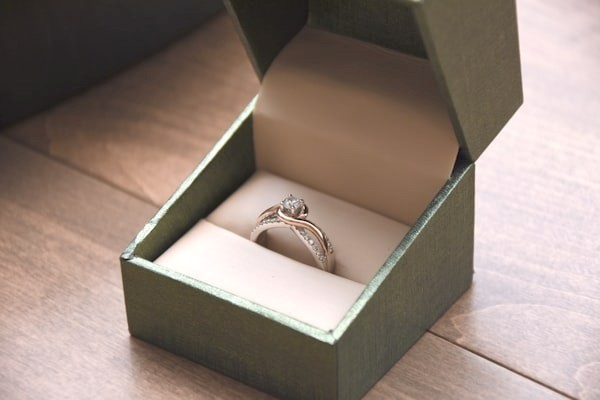
I’ve structured this guide around practitioner-grade steps: valuing like a dealer, selecting the right UK channel, and executing safely with awareness of hallmarking rules, anti-money-laundering (AML) ID checks, and Capital Gains Tax on chattels. You’ll see concrete examples and a London-specific angle that covers where to shop offers and what reputable dealers should show you.
You do not need specialist tools to follow this approach. A smartphone camera, a basic kitchen scale, and access to online price data are usually enough.
Decide Whether This London Engagement Ring Selling Guide Fits Your Situation
This playbook serves UK private sellers who want a straightforward, regulation-aware process that maximizes net price without wasted time or unnecessary risk. Whether you’ve inherited a ring, are selling after a life change, or want to trade up, you’ll move step by step through documentation, route selection, legal compliance, and negotiation.
I assume you want transparent calculations, such as per-carat prices for diamonds and per-gram rates for gold or platinum, and written quotes you can compare fairly.
- You want to sell a ring you bought in London and now need to realise cash.
- You have an inherited engagement ring and are unsure whether to prioritise diamond or metal value.
- You’re upgrading a ring and want to recycle value efficiently into the new piece.
Let Current Diamond and Gold Prices Shape Your Timing and Expectations
Understanding current market conditions shapes realistic expectations and timing decisions. Natural diamond prices have softened considerably; retail-tracked averages for one-carat natural stones fell roughly 26% from May 2022 to December 2024. Lab-grown prices dropped far faster, about 74% from January 2020 to December 2024, so many lab-grown rings now sell closer to fashion jewellery pricing.
Gold set record highs in GBP terms in 2024–2025, providing a strong scrap-gold backstop for metal-heavy rings. If your ring’s value is diamond-heavy with strong documentation, prioritise routes that create competition among specialist buyers. If the ring is lab-grown, small-stoned, or lacks a centre stone, metal value may dominate, making quick-sale channels efficient.
Be cautious with insurance valuations or retail purchase prices when setting expectations. Those figures reflect replacement cost at full retail margin, not what a trade buyer in London can pay when reselling at a profit.
Work Out Whether Your Ring’s Value Sits Mainly in the Diamond or the Metal
Thinking like a dealer means starting with the diamond, because cut quality strongly drives beauty and price. GIA (Gemological Institute of America) cut grades, from Excellent to Poor, evaluate brightness, fire, scintillation, proportions, and finish. Documentation matters significantly; GIA or IGI (International Gemological Institute) graded natural stones at 0.75 carats or above with strong cut typically draw better offers from specialist buyers.

To verify your centre stone quickly, check the girdle inscription and match it to the grading report via the lab’s online report check. Confirm natural versus lab-grown status and key specifications such as carat, colour, clarity, and cut to avoid costly uncertainty discounts from buyers.
Also consider side stones, the setting style, and any designer signature. A signed ring from a recognised brand or an antique piece in original condition can justify specialist routes even if the main stone is modest.
Step 1: Gather Proof and Documentation Before You Approach Buyers
Strong documentation increases buyer trust and reduces uncertainty discounts. Gather any grading report from GIA or IGI. If this is missing for a larger natural stone, consider professional grading to unlock better offers. Collect purchase receipts, prior valuations, service paperwork, and any brand certificates or boxes.
Store scanned copies of every document in a single folder and label files clearly by date and type. This makes it easy to attach the right evidence when you request quotes from multiple buyers.
Photos That Win Quotes
- Provide sharp, well-lit, true-to-colour photos: top view, side profile, pavilion, hallmarks, and designer stamps.
- Include a scale shot next to a ruler and a photo of the grading report.
- Flag any chips, loose stones, or wear so buyers can price accurately.
- Use a plain, neutral background and avoid filters so the stone and metal look true to life.
Hallmark Snapshots
Photograph the hallmark clearly: look for fineness (750 for 18ct gold, 950 for platinum), the assay office mark, and sponsor’s mark. UK hallmarking applies to online sales and provides key consumer protection. If the hallmark is worn or incomplete, mention this when you share photos so buyers understand any uncertainty in advance.
Step 2: Confirm Whether Your Diamond Is Natural or Lab-Grown
Accurate stone identification prevents disputes and protects you under consumer protection rules. Use the grading report and girdle inscription to identify natural versus lab-grown. If you are uncertain, a professional jeweller or gemmologist can test the stone quickly.
From October 2025, GIA will describe lab-grown diamonds using Premium or Standard designations instead of traditional 4Cs (cut, colour, clarity, carat weight) nomenclature. Expect buyers to reference this change when evaluating lab-grown stones. If your stone is lab-grown, expect lower resale multiples; metal value and overall design may carry more weight in negotiations.
Being clear about lab-grown status is also an ethical issue. Misrepresenting a stone, even by omission, can damage your reputation with reputable buyers and may breach consumer law if you later sell on a marketplace.
Step 3: Set a Realistic Price Range Before You Speak to Buyers
Setting defendable price floors prevents you from accepting lowball offers. Calculate a diamond-based floor by deriving a per-carat benchmark from comparable second-hand outcomes for similar specifications, then multiply by your carat weight and adjust for cut quality and condition.
For the metal-based floor, compute scrap value using hallmark fineness multiplied by ring weight (minus stones) multiplied by current spot price in GBP, then discount for buyer margins. Set a target ask above both floors to allow negotiation room while staying realistic.
Online calculators and price charts can help you sanity-check your floors, but use them cautiously. They rarely reflect specific factors such as fluorescence, inclusion position, or branded settings that real buyers will price in or out.
Calculate a Solid Metal Value Backstop in Minutes Using Hallmarks and Weight
Transparent metal calculations protect you from opaque pricing schemes. Check the UK hallmark for fineness: 750 indicates 18ct gold, 585 is 14ct gold, and 950 means platinum. Weigh the ring without stones if possible; otherwise estimate and deduct stone weight.

Multiply pure-metal grams by spot price in GBP for intrinsic content value. Apply a realistic dealer margin reflecting melting and refining costs. Insist on transparent, in-view weighing and a line-item calculation before accepting any offer.
Be aware that white gold is usually rhodium plated, so some weight will disappear during refining. Mixed-metal rings or those with heavy settings can also carry labour and design value that a pure scrap calculation will not capture.
Worked Micro-Calculation
Example: An 18ct ring stamped 750 weighing 4.0 grams with a 1.0 carat diamond (roughly 0.2 gram stone weight). Metal weight equals approximately 3.8 grams, yielding about 2.85 grams of pure gold. At an illustrative spot price of £53 per gram, intrinsic value reaches approximately £151. Expect buyer offers below this after margin and fees. Use this as your walk-away floor, not a retail price.
Step 4: Pick the Selling Route That Fits Your Ring and Timeline
Matching the route to your ring type determines both speed and final price. Natural, well-documented stones perform best with specialist buyers or reputable auctions. Metal-heavy or generic rings are fine for quick jeweller or pawnbroker sales.
Route Options
- Pawnbroker or Jeweller Instant Sale: Fastest route but includes firm margins; best when speed matters or the ring is metal-led.
- Specialist Diamond Buyer: Ideal for natural, well-cut, documented stones; expect professional verification and tighter spreads.
- Auction: Works for signed or period pieces; budget seller’s commission of 10–15% plus VAT and 30–35 days to receive proceeds.
- Consignment: Highest net potential but slowest; ensure terms cover display period, commission, and insurance.
- Marketplaces: Maximum control but highest fraud risk; factor platform fees and prefer bank transfer.
Create Competition by Securing at Least Three Written Quotes You Can Compare
Multiple comparable offers create negotiating leverage and reveal market reality. Contact three to five buyers using a standardised email including ring specifications, report number, clear photos, and your timeline. Ask each for a written gross offer, all fees, per-carat or per-gram rate, ID requirements, and payment timing.
Track every quote in a simple spreadsheet noting buyer name, date, diamond offer, metal offer, fees, and payment terms. Seeing numbers side by side makes it easier to spot outliers and push strong buyers a little higher.
In-Store Script
Maintain control during verification by asking: ‘Please weigh the ring in view and walk me through fineness, rate per gram, and any deductions.’ For the diamond, request: ‘What per-carat rate are you applying to these specifications, and what would improve the offer?’
Use London’s Jewellery Districts Strategically to Shop Offers and Fees
London’s deep buyer pools in Hatton Garden, West End jewellers, pawnbrokers, and auction houses mean well-documented rings can attract genuine competition. Present specifications clearly and professionally to maximise interest, and keep notes on who you speak to and what they quote. If you want a concise, district-by-district walkthrough to sanity-check your plan before booking appointments, see sell engagement ring London for a neutral overview of local buyer options, fees, and process nuances. Compare that resource against your chosen route and timelines.
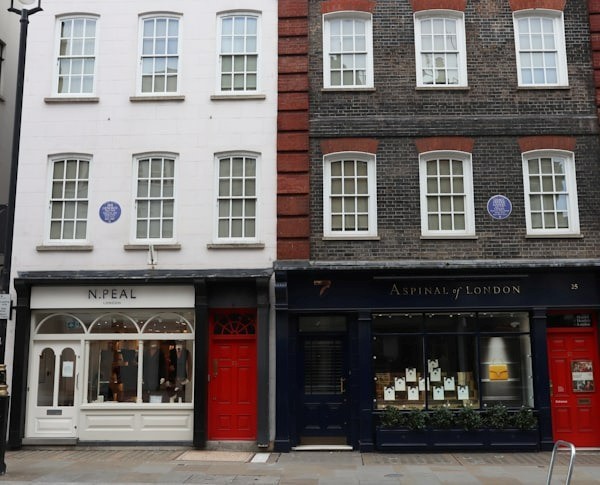
Look for National Association of Jewellers members and buyers following the Gold Standard for second-hand precious-metal buying. Good London buyers demonstrate in-view weighing, hallmark interpretation, and willingness to explain deductions clearly.
Understand UK Hallmarking and Anti-Money-Laundering Rules Before You Sell
Understanding UK regulations protects you from illegal descriptions and prepares you for normal verification processes. In the UK, it is illegal in the course of trade to describe an item as gold, silver, platinum, or palladium without a recognised hallmark if above weight exemptions.
UK High Value Dealer rules require customer due diligence when businesses make or receive cash payments totalling at least €10,000. Expect to present photo ID and proof of address. Prefer bank transfer for payment; it is traceable and avoids cash complexities.
Check Whether Capital Gains Tax Could Apply to Your Engagement Ring Sale
You may owe Capital Gains Tax when selling a personal possession for £6,000 or more. Most everyday rings do not create taxable gains after costs, but keep purchase receipts, restoration invoices, and sale records for any future calculations.
HMRC treats jewellery as a chattel, meaning an item of tangible, moveable property, with specific reliefs that usually keep everyday sales outside tax.
Handle Shipping and Hand-Offs Carefully to Protect Ring and Payment
Safe exchange methods protect both your ring and your payment. For postal sales, use Royal Mail Special Delivery Guaranteed services with tracking, signature, and compensation options up to £2,500. Photograph contents and packaging, and declare value accurately.
For in-person exchanges, meet in busy, well-lit public places with CCTV. Prefer Faster Payments or CHAPS into your account; verify the credit on your banking app before handing over the ring.
Always get a written receipt or email confirmation showing what you sent, the agreed price range, and who is responsible if the parcel is delayed or damaged.
Walk Away Quickly When Buyers Show These Red Flags
Recognising warning signs prevents costly mistakes with unscrupulous operators. Walk away if weighing happens out of sight, the buyer will not explain the hallmark, or per-gram rates are not shown clearly. Avoid buyers who refuse paperwork or use pressure tactics. Prefer NAJ-member dealers following industry codes of practice.
- They refuse to quote even an indicative range before you travel.
- They insist on cash only or discourage bank transfer without a clear reason.
- The premises look temporary, with no clear business name or registration details displayed.
Apply a Simple Checklist to Sell Your London Engagement Ring Confidently
Document the diamond, confirm the hallmark, compute your metal backstop, and secure three written quotes before negotiating. Pick the route that fits your ring and timeline, with specialist buyers for documented natural stones, auctions for period pieces, and quick dealer buyouts for metal-led rings. Stay compliant, use Royal Mail Special Delivery for postal deals, and walk away from opaque pricing.