Common Questions About Carbon Monoxide Lawsuit Cases
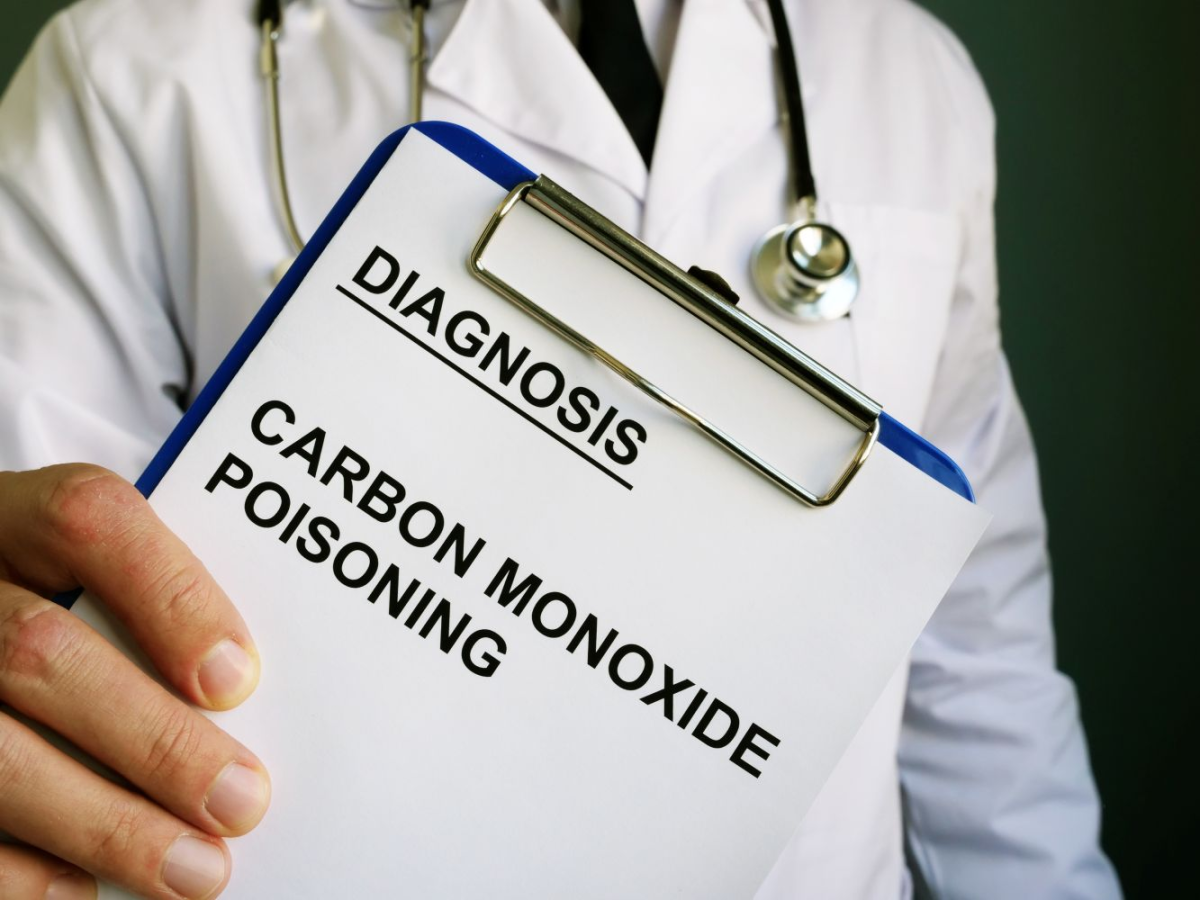
Carbon monoxide (CO) is an odorless, colorless, and tasteless gas often termed the “silent killer.” Exposure can lead to severe injury, long-term neurological damage, or death. When such incidents occur due to another party’s negligence, victims or their families may pursue legal action. Navigating a carbon monoxide lawsuit involves complex legal and medical questions. Understanding the common inquiries surrounding these cases is crucial for anyone considering legal recourse.
Below are some common questions about carbon monoxide lawsuit cases:
What Constitutes Negligence in a Carbon Monoxide Poisoning Case?
Establishing negligence is the cornerstone of most carbon monoxide injury claims. Negligence implies that a responsible party failed to exercise reasonable care, directly causing exposure. This legal theory extends to various scenarios. Landlords and property management companies have a fundamental duty to maintain safe premises, which includes ensuring appliances like furnaces, water heaters, and gas fireplaces are properly installed, ventilated, and regularly serviced.
A critical failure, such as not installing or maintaining carbon monoxide detectors where legally required, forms a strong basis for a claim. The specific legal duties can vary by jurisdiction, and understanding local statutes is vital. For example, reviewing the Carbon monoxide Texas laws can provide insights into the obligations property owners have under that state’s specific regulations.
Similarly, manufacturers can be held liable under product liability laws if a defective product, such as a malfunctioning generator, heater, or appliance, generates dangerous levels of carbon monoxide. This defect could stem from flawed design, errors in manufacturing, or inadequate warnings and instructions. Hotels, resorts, and rental property owners also bear a significant responsibility. For example, guests rely entirely on the safety of the provided accommodations. Contractors or technicians who improperly install or repair ventilation systems or fuel-burning appliances may also be found negligent if their work leads to a hazardous buildup of the gas.
Who Can Be Held Liable for Carbon Monoxide Exposure?
Liability isn’t confined to a single entity and often requires a thorough investigation to identify all potentially responsible parties. The list can be extensive. Property owners, including residential landlords and commercial building owners, are frequently named. Product manufacturers and distributors may be liable for defective equipment. Employers can be responsible if exposure occurs in a workplace with inadequate ventilation or unsafe equipment, though workers’ compensation laws may affect such claims.
Hospitality providers, including hotel chains and vacation rental companies, are common defendants in cases involving guest poisoning. Maintenance companies contracted to service heating systems may share liability if their negligence contributed to the incident. In some complex cases, multiple parties may share fault, and an experienced attorney will work to identify each one to ensure full accountability and adequate compensation.
What Injuries and Damages Are Typically Compensated?
Carbon monoxide poisoning inflicts several harms, both immediate and long-term. Compensable damages aim to address these losses comprehensively. Economic damages cover quantifiable financial impacts, including past and future medical expenses for treatments such as hyperbaric oxygen therapy, ongoing neurological care, rehabilitation, and therapy. Lost wages and loss of future earning capacity if the victim cannot return to their previous employment are also recoverable.
Non-economic damages address the profound human toll of the injury. This includes compensation for emotional distress, pain and suffering, loss of life enjoyment, and psychological impacts like anxiety, depression, and cognitive deficits. In cases of wrongful death, surviving family members may seek damages for funeral costs, loss of financial support, and loss of companionship or consortium. In rare instances involving egregious misconduct, punitive damages may be awarded to punish the defendant and deter similar behavior in the future.
What Is the Statute of Limitations for Filing a Lawsuit?
The statute of limitations is a critical legal deadline that sets the maximum time after an event within which legal proceedings may be initiated. These deadlines can vary significantly by state and by the type of claim. For personal injury from carbon monoxide exposure, the timeframe typically ranges from one to three years from the date of discovery of the injury. Wrongful death claims have their own, often separate, statutes of limitations. It’s imperative to consult with an attorney immediately, as missing this deadline will almost certainly bar any future claim. Specific state laws can influence these timelines, making prompt legal consultation essential to protect one’s rights.
How Is Carbon Monoxide Poisoning Proven in Court?

Successful litigation requires compelling evidence that links the defendant’s negligence to the plaintiff’s specific injuries. This involves a multi-faceted approach. Medical documentation is paramount, including emergency room records, blood tests confirming elevated carboxyhemoglobin levels, and detailed reports from neurologists, psychiatrists, and other specialists outlining the long-term effects. Expert testimony is indispensable; medical experts explain the nature and permanence of the injuries, while engineering or industrial hygiene experts can testify to the source of the leak, the defective product, or the failure of safety systems.
Physical evidence from the exposure site is also crucial. This includes photographs of faulty appliances, maintenance records, and reports from fire departments or gas company investigators. Documentation proving the absence or disrepair of carbon monoxide detectors can be highly persuasive in building a narrative that clearly establishes causation and the extent of the damages suffered.
Conclusion
Carbon monoxide lawsuits are intricate endeavors that demand a sophisticated understanding of law, medicine, and engineering. Victims grappling with the aftermath of poisoning face a difficult road to recovery. By seeking answers to these fundamental questions and securing knowledgeable legal counsel, individuals and families can pursue the justice and compensation necessary to address the profound consequences of preventable carbon monoxide exposure.