A Comprehensive Guide To Selecting Quality Rooftop Protections

Choosing rooftop protections is about more than picking products. It is a plan that balances safety, weather, energy, access, and long-term cost. This guide breaks down the parts that matter most so you can compare options with confidence and set clear specs for your project team.
Start with risk and purpose
Before looking at materials, write down what the roof must do. Is it only a weather shield, or will people access it for HVAC, solar, or maintenance? The more foot traffic and equipment a roof sees, the more protection you will need.
Serious risks make planning worth it. A 2024 review by the Bureau of Labor Statistics noted that in 2022, almost 1 in 5 workplace deaths were in construction, and over a third involved falls, slips, or trips. Those figures show why fall control, clear paths, and training must come first.
Put people first – fall protection basics
Protecting people on the roof is the top rule. When you plan guardrails, tie-off points, and training, talk with local pros that offer Falls Church VA roofing services to match gear to your roof type. Then decide how crews will reach the roof and move safely.
Design for simple behaviors. Keep anchor points where people actually work, not just at the access point. Plan storage so that loose items do not create trip hazards. Label paths and edges so anyone new to the site can read the roof at a glance.
Weather and wear – choosing durable surfaces
A good membrane or covering protects the structure from water, wind, and UV. Look for systems proven in your climate and on roofs similar to yours in slope and layout. Impact resistance matters in hail regions, but so does flexibility if the deck moves with temperature swings.
Think about repairability. Some systems allow heat-weld patches and quick flashing fixes. Others need full section replacement. A roof that is easy to fix usually stays safer because crews spend less time exposed.
Manage heat and water with the surface design
Your roof can lower energy use and help with stormwater if you plan for it. Vegetated and cool surfaces reduce heat gain and protect the membrane from direct sun. They can also make the space nicer for adjacent occupied floors.
Peer-reviewed research found that green roofs can cool roof surfaces by about 4 to 12 degrees Celsius and cut annual energy use by roughly 2.2 to 16.7 percent. Results vary by climate, building type, and roof build-up, but the direction is clear. Cooler, protected surfaces last longer and lower loads on HVAC.
Make access safe and obvious
Protection fails when crews cannot reach the right spot without stepping on fragile areas. Plan stairs or fixed ladders that end at a safe landing, not a bare edge. Use walkway pads or pavers to create a path to every serviceable unit.
Group service points so people are not crossing long open spans. If you expect snow, raise paths so they remain visible. If you expect algae growth, choose textured walkways with good drainage so traction stays high after rain.
Know the rules where you work
Codes and safety standards set the floor for protection. They also shape liability. Clarify which rules apply to your roof by height, occupancy, and use. Document those rules in your project specs so they carry through bidding and installation.
In 2024, OSHA clarified that when work occurs within 6 feet of a roof edge, employers must use a fall protection method such as guardrails, safety nets, travel restraint, or a personal fall arrest system. Build your layout so these controls are practical, not just theoretical. If a control is awkward, people will bypass it.
Budget for life-cycle value
Cost is more than the first invoice. Factor in lifespan, inspection time, typical repair costs, and energy effects. Ask for warranties that reflect real-world use, including foot traffic and accessories.
Quick rooftop protection checklist
- Define who will access the roof and how often
- Map equipment zones, paths, and no-step areas
- Choose fall controls that fit the actual work tasks
- Select membranes and coverings proven in your climate
- Add heat management where it helps HVAC and lifespan
- Provide clear, continuous walkways to every service point
- Specify labels, edge markings, and maintenance steps
- Plan inspections after storms and at set intervals
- Align warranty terms with expected traffic and add-ons
Think in systems, not parts. A sturdy membrane with poor access is still risky. Great guardrails with no clear path will force detours. Tie the details together so the safest path is also the easiest one to follow.
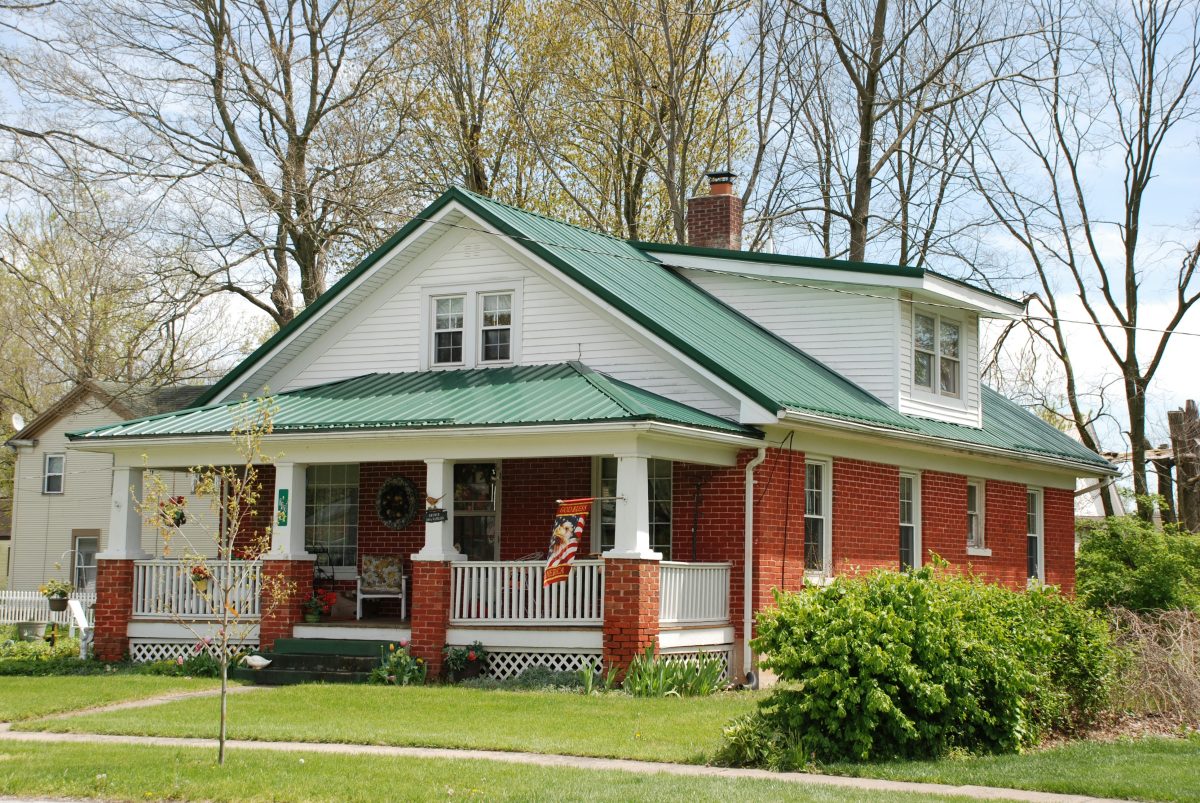
Photo by Roger Starnes Sr on Unsplash
A roof that protects people and the building pays off for years. When you align safety, durability, and access, you lower risk and reduce surprise costs. Use this guide to set a clear standard, then keep it up with regular checks and simple fixes.