Going Skiing? Keep These 5 Things in Mind
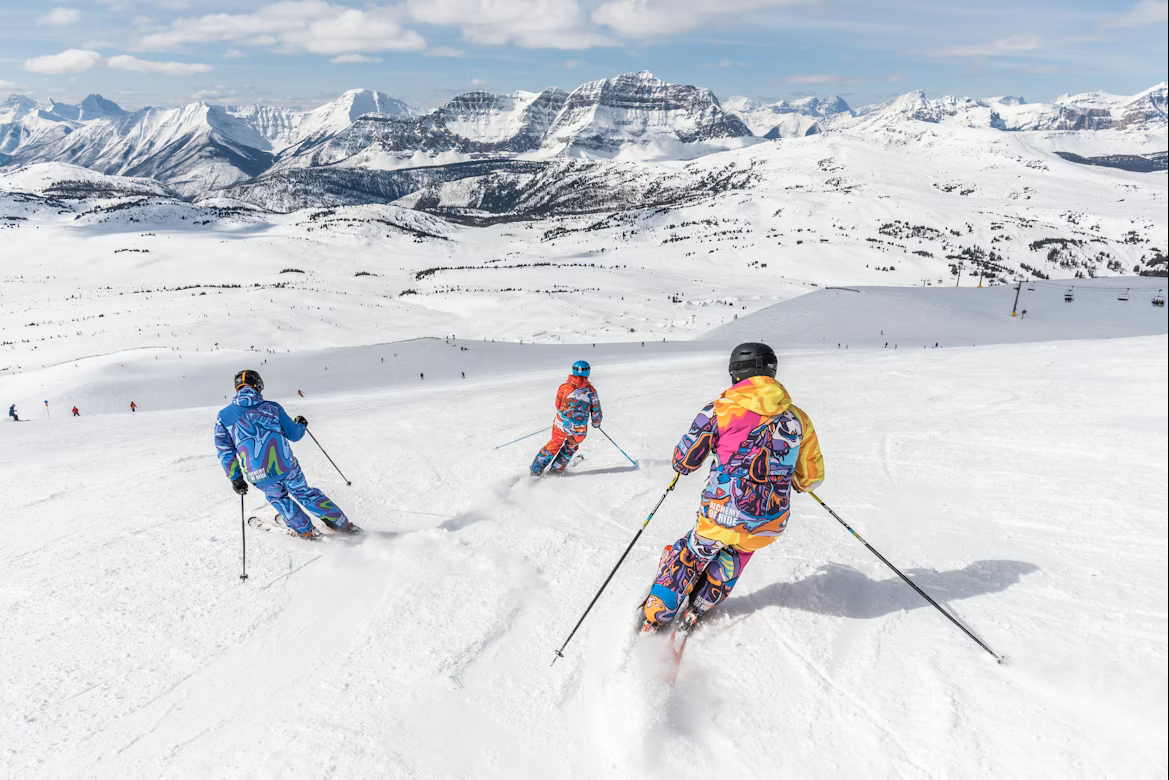
Going skiing sounds simple until you actually start planning the trip. Suddenly, there are passes, jackets, boots, and mountain rules to think about. Even seasoned skiers sometimes forget small details that affect the whole experience. That is why a little preparation goes a long way.
Of course, skiing preparation requires you to take a lot of steps. For instance, Colorado hosted almost 14 million skiers during the 2024–25 season, which was the third-busiest season in Colorado history. With numbers like these, planning ahead becomes essential, especially when it comes to securing lodging near Copper Mountain, Colorado, where accommodations fill up quickly.
Booking early gives you more options and helps you stay close to the slopes and enjoy a smoother, stress-free ski experience. Similarly, when you prepare yourself and know what to expect, you enjoy the slopes much more.
Let’s walk you through some of the most important things to remember before you go skiing.
#1 Dress Smart and Choose the Right Gear
Visiting skiing areas often means having to deal with extreme cold. In late January 2025, a historic cold wave saw temperatures in ski-adjacent regions like Pueblo, Colorado, drop to -19 degrees Fahrenheit.
Your clothes and gear can make or break your ski day. Cold feet or wet gloves ruin the mood quickly. Always dress in layers instead of one thick jacket. Layers help you adjust when the weather changes.
The middle layer keeps you warm without feeling heavy. Do not forget waterproof gloves and quality socks. Rental gear is fine, but check the fit carefully. Boots should feel snug, not painful. Helmets are strongly recommended, even for experienced skiers. Comfort and safety always come before style.
#2 Choose the Right Place to Stay
Where you stay matters more than most people realize. Good lodging saves you time, energy, and stress. Some people prefer ski resort accommodations close to the lifts. Others enjoy quiet mountain hotels with scenic views.
According to Frisco Inn on Galena, the popular hotels and resorts offer both spectacular views and modern amenities. Many families choose vacation rentals for extra space and privacy. Some travelers love modern condos with kitchens and storage. You may also find charming alpine resort stays with local character. Think about distance, transport, and nearby services. Long drives every morning can feel exhausting.
Staying close lets you rest more and ski longer. Read reviews before booking anything. A comfortable place helps your body recover after long days on the snow.
#3 Know Your Limits
Skiing looks easy when professionals glide down effortlessly. In reality, every slope demands skill and focus. Be honest about your ability level. Start with beginner trails if you are new. There is no shame in learning slowly. Pushing too hard often leads to injuries.
Take breaks when your legs feel tired. Fatigue affects balance and judgment. Follow trail signs and posted warnings. They exist for a reason. Stay in marked areas and avoid risky shortcuts. If something feels unsafe, trust that feeling.
#4 Pay Attention to Weather and Safety Rules
The weather changes quickly in mountain areas. A sunny morning can turn snowy by afternoon. Just last December, Chicago and Rockford, IL, saw their quickest starts to a snow season in decades. In fact, by early December, Rockford had already matched its entire previous winter total of 17.1 inches.
Always check forecasts before heading out. Dress and plan based on updated information. Strong winds can close lifts without warning. Heavy snowfall may reduce visibility. Learn basic safety rules before skiing. Know how to fall safely and get up properly. Carry your phone with emergency numbers saved. Stay hydrated, even in cold weather.
Dehydration makes you tired faster. Follow resort guidelines and staff instructions. They monitor conditions constantly. Respecting safety rules protects both you and others around you.
#5 Plan Your Budget and Daily Schedule
Ski trips can become expensive very quickly. Lift tickets, food, rentals, and lessons add up. Set a clear budget before traveling. Look for package deals and early discounts. Packing snacks can save money on mountain food.
Plan your skiing hours wisely. Early mornings often have fewer crowds. Short breaks help you avoid burnout. Do not try to do everything in one day. Leave time for rest and exploration. Enjoy local cafes or nearby towns. Balance activity with relaxation. Smart planning keeps you happy without draining your wallet.
FAQs
What things do you need for skiing?
Like most other sporting activities, skiing requires certain equipment. For skiing, you need proper equipment such as skis, boots, poles, and bindings. When you are going skiing, make sure you are wearing warm, waterproof clothing, gloves, goggles, and a helmet for safety. Sunscreen, lip balm, and layered clothing are also important. Renting gear is a good option for beginners.
How does skiing help your mental health?
Skiing helps mental health by reducing stress and improving mood through physical activity and fresh air. Being in nature promotes relaxation, while learning and improving skills builds confidence. The focus required while skiing also helps clear the mind and reduce anxiety.
What are the benefits of skiing?
There are several mental and physical benefits of skiing. Skiing improves cardiovascular fitness, strength, balance, and coordination. It works major muscle groups, especially in the legs and core. Skiing also boosts mental well-being, encourages social interaction, and provides opportunities to enjoy nature and maintain an active lifestyle.
Skiing is one of the most exciting ways to enjoy winter. With the right mindset, it becomes unforgettable. You spend less time worrying and more time smiling.
Remember, skiing is not about perfection. It is about movement, laughter, and fresh mountain air. Keep these tips in mind, and your next ski adventure will feel just right.