Delaying These Home Repairs Can Compromise Safety
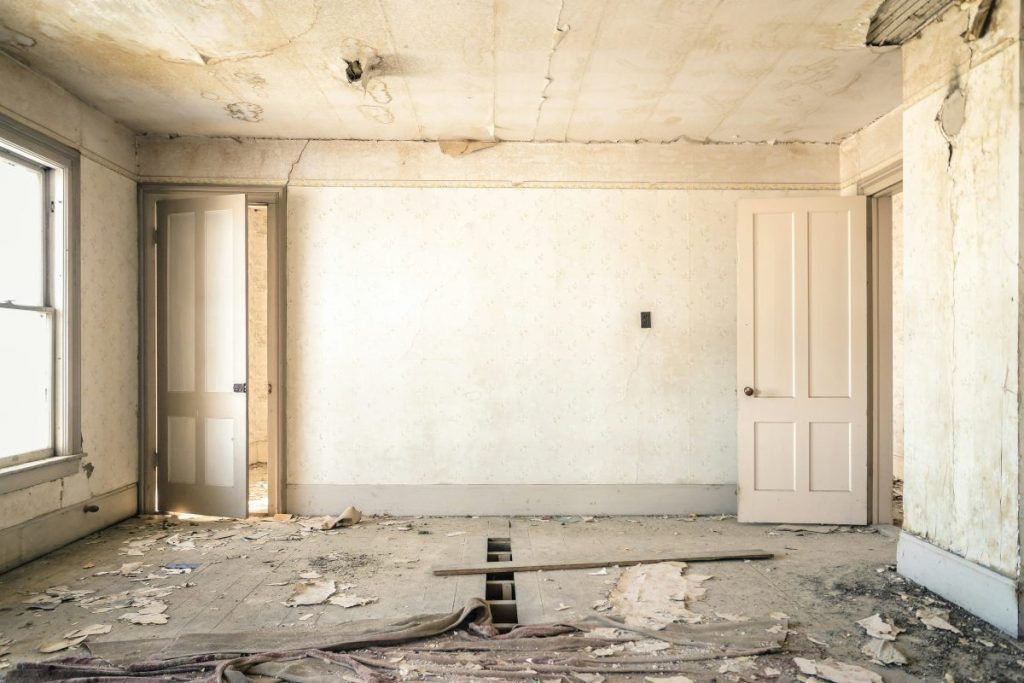
Photo by Nolan Issac on Unsplash
Your home is your sanctuary, but keeping it in pristine condition is not easy. You may encounter repairs as it ages or when bad weather strikes. According to data cited in a Yahoo! Finance article, 85% of American homeowners faced unexpected repairs in 2025. During the year, 38% of homeowners spent $5,000 on renovation projects, and 23% spent at least $10,000.
While these expenses sound painful, neglecting certain repairs turns them into a hazard waiting to happen. Small issues, such as a dripping faucet or cracked shingle, might seem minor, but they can escalate into costly disasters. Even worse, some situations may affect your family’s safety.
This article highlights the critical repairs you can’t afford to delay. Prioritizing these keeps your loved ones secure and your wallet intact.
Roof Damage
A compromised roof doesn’t just mean leaks. It can lead to water intrusion that rots wood, breeds mold, and weakens your home’s frame. Delaying repairs exposes occupants to falling debris, interior flooding, and even collapse during storms. Risks compound in hurricane-prone areas like Florida.
According to the National Association of REALTORS, recent data shows that four in ten roofs in the US have a “poor” or “moderate” condition. The worst part is that most homeowners fail to realize the danger until it is too late. Watch out for red flags like missing, curled, or cracked shingles, granules in gutters, and sagging areas or daylight visible through the attic. Stains or mold on ceilings also indicate vulnerability.
Ignoring these can lead to structural failure, so you must call roofing experts sooner rather than later. Inspect the roof after every storm because even the sturdiest ones may be damaged due to hail or snow. Timely replacement is warranted if your roof is beyond its optimal lifespan or has extensive damage.
Foundation and Structural Problems
Your home foundation bears the entire weight of the building. Cracks or shifts signal instability that can cause walls to bow, floors to unevenly settle, and entire sections to fail. Delaying the basement foundation repairs can lead to uneven settling. You may eventually see jammed doors, cracked walls, and worst-case scenarios like total collapse during heavy snow.
Pro Foundation Technology, Inc., recommends watching out for some warning signs that indicate foundation problems. These include cracks, water seepage, musty smell, uneven floors, and noticeable dips. You may also notice water pooling near the base after rain. Horizontal or stair-step cracks wider than 1/4 inch indicate impending danger.
If you notice any of these signs, you must call a structural engineer for evaluation right away. A foundation expert can offer fixes like piering or slab jacking to stabilize your home. Consider a sustainable solution after the initial repair. Address soil erosion or poor drainage first with French drains or grading to prevent recurrence.
Electrical Issues
Outdated or faulty wiring is a hazard you should not overlook, as it can spark fires, electrocutions, and power surges that fry appliances. The Consumer Product Safety Commission reports over 51,000 home electrical fires yearly. These incidents cause 400 deaths, 1,400 injuries, and property damage worth $1.3 billion.
Delaying upgrades in older homes, specifically pre-1980s homes, is risky. Red flags include frequent breaker trips or flickering light, warm outlets, scorch marks, and buzzing sounds. Aluminum wiring or ungrounded two-prong outlets can be hazardous. Similarly, using extension cords as permanent solutions elevates the fire risk.
If something goes amiss, shut off the power at the breaker and hire a licensed electrician. Consider the panel upgrades cost and outlet replacements. Modern codes require Ground Fault Circuit Interrupter (GFCI) outlets in wet areas, and skipping them endangers kids and elderly residents. Test GFCIs monthly and never overload circuits. Installing smart breakers for monitoring is a good idea.
Plumbing Leaks
Although plumbing leaks appear minor, neglecting them can pose structural and safety hazards. For example, slow leaks waste water and erode subfloors. Even worse, they create slip hazards and affect air quality by fostering mold. The bigger concern is that hidden leaks behind walls often amplify risks.
Watch out for warning signs like damp spots, musty odors, or buckling floors. Higher water bills without increased use also indicate slow leaks that are not visible. Other symptoms that indicate plumbing leaks are dripping faucets, low pressure, or rusty water. Sounds of running water when everything’s off also signify a problem.
In humid Southern states, ignored leaks can cause the growth of black mold, leading to the risk of respiratory issues. Structural rot may also eventually follow, requiring demolition and rebuilding. Adopt a quick response plan, which includes shutting off the main valve and exposing the leak. Call a plumber to address the issue and install leak detectors for early alerts.
Pest Infestation
Most homeowners do not associate pest infestations with danger, but things can easily get hazardous. Termites, rodents, and ants silently destroy wood, wiring, and insulation, creating fire paths. Health threats like hantavirus from mice are also common. Damage, often undetected until severe, can lead to expensive repairs.
Pest problems are more common than you imagine. A recent Forbes Home survey reveals that 40% of Americans have come across a pest infestation. The problem is most common in the West, with ants being a widely prevalent home pest, followed by mice.
Look for tell-tale signs such as mud tubes, discarded wings, or hollow-sounding wood. Musty odors or visible swarmers also indicate pest presence. You may also experience allergies worsening indoors.
Fortunately, pest problems are avoidable if you are a bit proactive about them. Sealing entry points and storing food securely to deter pests can be your best defenses. Also, call experts for annual inspections and consider pest control services when needed.
FAQs
What are the signs of structural problems?
Structural problems in a home can have serious implications and lead to expensive repairs if immediate measures are not taken. Look for signs like wide cracks (over 1/4 inch), sticking doors/windows, sloping floors, or bowing walls. These indicate shifting foundations or weakened supports.
When should you consider major renovations?
If multiple issues overlap, such as roof leaks worsening foundation cracks, you must consider a major renovation sooner rather than later. You may also have to invest in one after inspections reveal code violations. Another good time is post-disaster or during resale prep, as it is ideal to bundle costs.
Are structural repairs worth the cost?
Structural repairs are expensive, but they are completely worth the cost. Delaying them can multiply expenses and risk lives in the long run. Investment in foundation work, for example, can preserve the value of the property and prevent total loss if a disaster like a flood or earthquake hits.
Delaying crucial home repairs can quickly transform small inconveniences into major safety threats. Regular inspections, timely maintenance, and professional repairs are not expenses. They are investments in safety, comfort, and long-term savings. Addressing problems early prevents emergencies and preserves your property’s value. It also ensures that your home remains a secure, welcoming space for years to come.