Ford Car Long Road Trip Vehicle Checklist
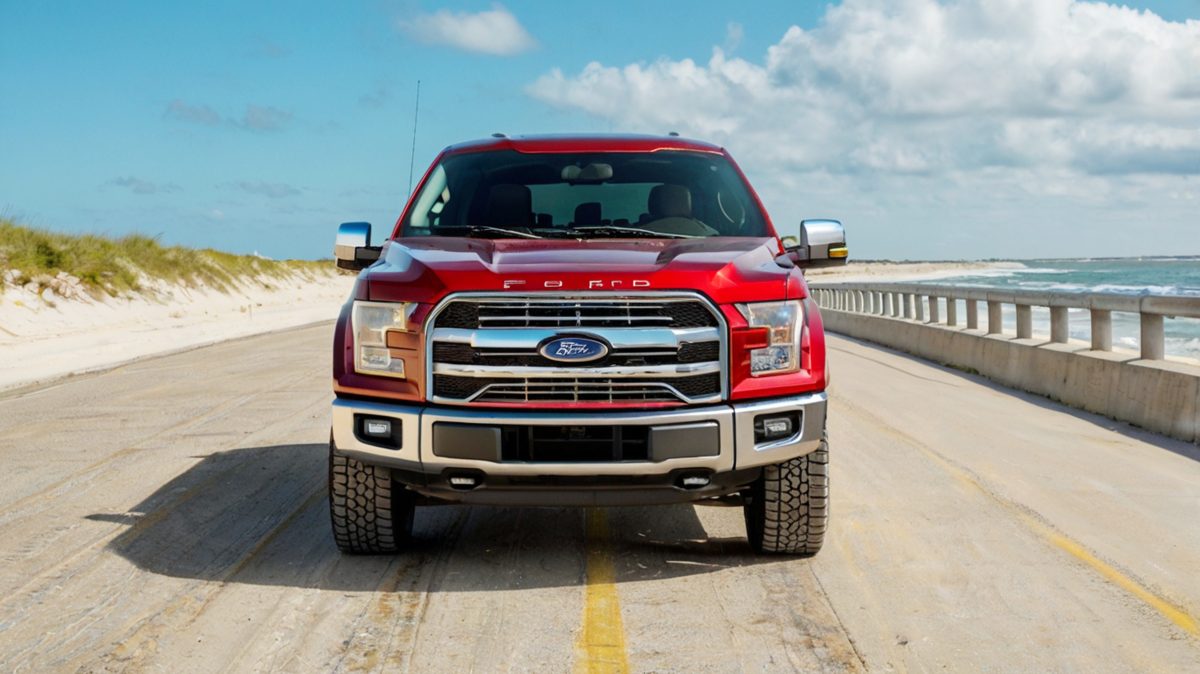
Long road trips can be exciting adventures, offering the opportunity to explore new destinations, enjoy scenic drives, and create lasting memories. However, a successful journey depends on proper preparation, especially when it comes to your vehicle. Ensuring your Ford is ready for extended travel not only improves safety but also enhances comfort and reliability throughout the trip. For those looking to prepare or upgrade their vehicle, a new Ford dealership in Lafayette provides access to the latest models equipped with advanced features and technology designed for long-distance travel. This guide outlines a comprehensive vehicle checklist to help you get your Ford ready for any road trip, covering everything from essential maintenance to comfort and safety considerations.
Engine and Fluid Check
Before embarking on a long drive, start with the engine and its associated systems. Performing a thorough check ensures optimal performance and reduces the risk of breakdowns. Key points include:
- Oil Level and Quality: Ensure your engine oil is at the proper level and consider a fresh oil change if needed. Clean oil keeps the engine running smoothly and prevents overheating.
- Coolant Levels: Check your coolant to prevent the engine from overheating during long stretches of highway driving.
- Transmission Fluid: Automatic transmissions rely on properly maintained fluid for smooth shifting, particularly on extended trips.
- Brake Fluid and Power Steering: Verify that brake fluid and power steering fluid are at appropriate levels to maintain responsiveness and control.
By addressing these areas before departure, you can reduce the likelihood of mechanical issues and maintain the overall health of your vehicle.
Tire Inspection and Maintenance
Tires are critical for both safety and fuel efficiency on long trips. Performing a detailed inspection helps prevent blowouts, uneven wear, or loss of traction. Key steps include:
- Check Tire Pressure: Properly inflated tires reduce rolling resistance, improve fuel economy, and enhance handling.
- Inspect Tread Depth: Adequate tread ensures better grip on wet or uneven surfaces, enhancing stability and safety.
- Examine for Damage: Look for cracks, punctures, or bulges that could cause issues during the trip.
- Spare Tire Check: Make sure your spare is fully inflated and that the jack and tools are present.
Maintaining tires in good condition is essential for long-distance safety and can prevent inconvenient roadside emergencies.
Brake System Review
Brakes are one of the most important safety components, especially when traveling long distances through varied terrain. Before hitting the road:
- Brake Pads and Rotors: Inspect for wear and replace if necessary to ensure consistent stopping power.
- Brake Fluid: Check levels and consider a flush if it has been a while since the last maintenance.
- Brake Lines and Hoses: Look for leaks or cracks that could compromise braking performance.
A well-maintained brake system provides peace of mind, particularly during mountain drives or heavy traffic conditions.
Battery and Electrical System Check
Your vehicle’s electrical system supports essential functions like starting, lights, and infotainment. Before a long trip, ensure everything is in top condition:
- Battery Health: Test voltage and inspect for corrosion on terminals. A weak battery can leave you stranded in remote areas.
- Lighting System: Confirm headlights, brake lights, turn signals, and interior lights are all operational.
- Fuses and Wiring: Inspect for blown fuses or damaged wires that could disrupt vehicle electronics.
Proper attention to the electrical system reduces the risk of unexpected failures while traveling.
Fuel System and Filters
A well-maintained fuel system supports efficient engine performance and prevents stalling during trips. Key considerations include:
- Fuel Level and Range: Plan fueling stops based on the vehicle’s fuel economy and available stations along the route.
- Fuel Filter Check: Replace clogged fuel filters to ensure consistent fuel delivery.
- Fuel Lines Inspection: Look for leaks or wear that could compromise safety.
Addressing these areas helps prevent fuel-related issues that could disrupt travel plans.
HVAC and Climate Control
Maintaining a comfortable cabin is important for driver focus and passenger comfort. Before departure:
- Air Conditioning and Heating: Ensure the system is functioning properly for variable weather conditions.
- Cabin Air Filter: Replace if dirty to maintain air quality and system efficiency.
- Defroster and Vents: Check for proper operation to maintain visibility in foggy or rainy conditions.
A well-prepared climate control system ensures a comfortable and safe environment throughout the journey.
Emergency and Safety Equipment
Long trips require preparedness for unexpected situations. Equip your Ford with essential emergency supplies:
- First Aid Kit: Stock with basic medical supplies for minor injuries.
- Roadside Kit: Include jumper cables, flares, reflective triangles, a flashlight, and tools.
- Emergency Contact Information: Have phone numbers for roadside assistance, local authorities, and insurance readily available.
- Fire Extinguisher: Useful for small vehicle fires or emergencies.
Being prepared can prevent minor issues from becoming major problems on the road.
Navigation and Communication
Modern technology enhances navigation and ensures you stay on track:
- GPS or Smartphone Navigation: Plan routes, rest stops, and fuel stations in advance.
- Backup Power: Carry power banks or car chargers to keep devices operational.
- Roadside Assistance Apps: Use apps for towing or emergency support in unfamiliar areas.
Proper navigation tools reduce stress, prevent detours, and help maintain travel efficiency.
Cargo and Comfort Preparation
Packing efficiently improves comfort and safety on long trips. Consider the following:
- Luggage Organization: Use secure cargo areas to prevent shifting loads.
- Seat Comfort: Adjust seating and lumbar support for long driving periods.
- Entertainment Options: Plan for music, podcasts, or media for passengers, especially for family trips.
- Snacks and Hydration: Keep water and snacks accessible to maintain energy and focus.
A well-organized vehicle makes the journey more enjoyable for everyone on board.
Vehicle Documentation and Legal Essentials
Before departing, ensure all necessary documentation is current and accessible:
- Driver’s License and Registration: Verify that both are up-to-date.
- Insurance Information: Keep proof of insurance within easy reach.
- Vehicle Manual: Useful for troubleshooting minor issues during the trip.
- Roadside Assistance Membership: Consider having contact info for services such as towing or roadside repairs.
Having these documents prepared prevents potential legal complications and ensures a smooth travel experience.
Pre-Trip Test Drive
After completing the checklist, conduct a short test drive to confirm that all systems function correctly. Pay attention to:
- Steering response and alignment
- Brake performance and responsiveness
- Engine performance and transmission shifts
- Comfort and climate control systems
A brief test run helps identify any overlooked issues before the main journey, increasing safety and confidence for longer distances.
Conclusion
A long road trip can be a rewarding and enjoyable experience when you take the time to prepare your vehicle properly. From engine and fluid checks to tire maintenance, brakes, electrical systems, and emergency supplies, a comprehensive checklist ensures your Ford is ready for any challenge on the road. Paying attention to comfort, navigation, and legal documentation further enhances both safety and enjoyment throughout the journey.
Read more: Surviving Long Hours in the Car: Tips and Tricks for a Comfortable Road Trip
Read more: Make Your Car More Comfortable Than Before With These Amazing Tips
Read more: What Are the Best Road Trips You Can Go on in Mississippi?