
Community Safety Tips Everyone Should Know To Stay Injury-Free
Community safety starts with being aware of your surroundings, as this step prevents many accidents. Looking out for neighborespecs and keeping common areas tidy helps. Habits keep people safe.
Small changes in how people move through town make a big difference. Everyone plays a part in reducing risks for those nearby. Taking care of the surroundings keeps the neighborhood active.
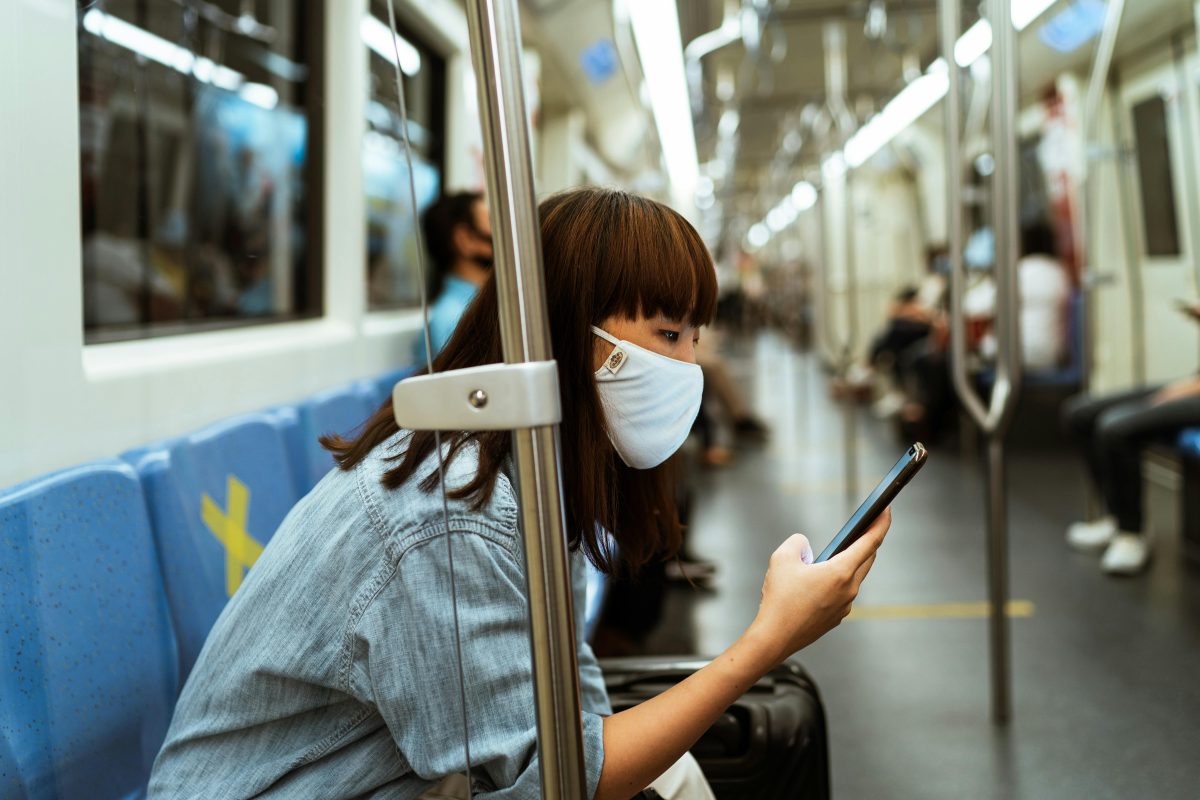
Photo by Ketut Subiyanto
Simple Ways To Prevent Home Slips
Keeping floor surfaces dry is a great way to avoid sudden falls. Wet spots on tile or wood can be very dangerous for guests and family members. Use rugs with non-slip backing to keep everyone steady on their feet as they move through the house.
Daily routines often lead to a sense of comfort that hides small risks. Expert guidance from the Malloy Law team can help families identify hidden hazards before they cause harm. Taking small steps creates a much more secure environment for your loved ones.
Clutter on stairs or in hallways is another common problem. Keep paths clear so people can walk without tripping over shoes or toys. A clean home is a much safer place for people of all ages.
Reducing Long-Term Disability Risks
Injuries can have lasting effects that change a person’s life forever. Staying safe today protects your ability to work and play in the future. Small accidents often lead to long recovery times that are hard to manage.
The impact of these events is felt on a global scale. Global health studies found that 10% of years lived with a disability come from injuries or violent acts. Preventing a fall today might save you from years of physical struggle later.
Focus on balance and strength to keep your body resilient. Strong muscles protect your joints and help you stay upright on slippery ground. Taking care of your physical health is a long-term safety plan.
Improving Neighborhood Lighting For Safety
Dark streets can hide hazards that lead to trips or bike accidents. Installing bright lights near your front door helps visitors see the path clearly. Good lighting makes it much easier to spot ice or uneven pavement at night.
Talk to your neighbors about adding motion lights to their yards. Lights turn on automatically when someone walks by. This keeps the sidewalk bright for everyone who uses it after the sun goes down.
Street safety depends on visibility for drivers and pedestrians. Brighter neighborhoods help keep crime low and safety high. Working together to light up the block is a smart move for every homeowner.
Safe Use Of Recreational Equipment
Many people enjoy playing sports or using gym gear to stay fit. Using the right safety pads or helmets protects you from serious harm during a game. Checking your equipment for wear and tear is a good habit to start.
Staying active is great, but it does come with some risks. A report on recreational safety mentions that 4.4 million individuals went to emergency rooms in 2024 for injuries linked to sports gear. Using items correctly helps lower high numbers.
Warm up your muscles before you start any intense physical activity. Cold muscles tear more easily than those that are ready to move. Spend a few minutes stretching to keep your body in top shape.
Pool Safety Measures For Young Children
Water features are fun for families, but they require constant watch. Never leave a child alone near a pool or a pond for any reason. Fences around water areas provide a strong layer of protection for the neighborhood.
Drowning happens fast and often occurs in silence. Health data recently showed that drowning stands as the top cause of injury-related deaths for kids between 1 and 4. Keeping gates locked stays high on the list of safety priorities.
Learn basic life-saving skills to help in case of an emergency. Knowing how to react quickly can save a life when every second counts. Keep a phone nearby when you are supervising swimmers at the pool.
Creating A Community Emergency Plan
Talking to your neighbors helps build a stronger safety net for everyone. Knowing who has a first aid kit or medical training is very helpful. Prepare a simple list of contacts to use during a storm or a power outage.
Keeping a few items ready can make a big difference during a crisis. These tools help you stay safe until professional help arrives, like this:
- Fresh batteries for flashlights
- A supply of clean drinking water
- Basic medical supplies like bandages
- A portable radio for news updates
Practice your exit plans with everyone in your household. Make sure everyone knows two ways out of every room in the house. Being ready for the unexpected keeps the whole community much more secure.

Photo by Kindel Media
Community safety is a group effort. Simple habits, like keeping paths clear, help neighbors stay active and injury-free. Looking out for others makes our streets better for all.
Making one small safety change makes a difference. Actions create a culture of care that protects friends and family. We can build a secure future for every neighborhood.


