How Data Tracking Can Improve Community Health Program Effectiveness
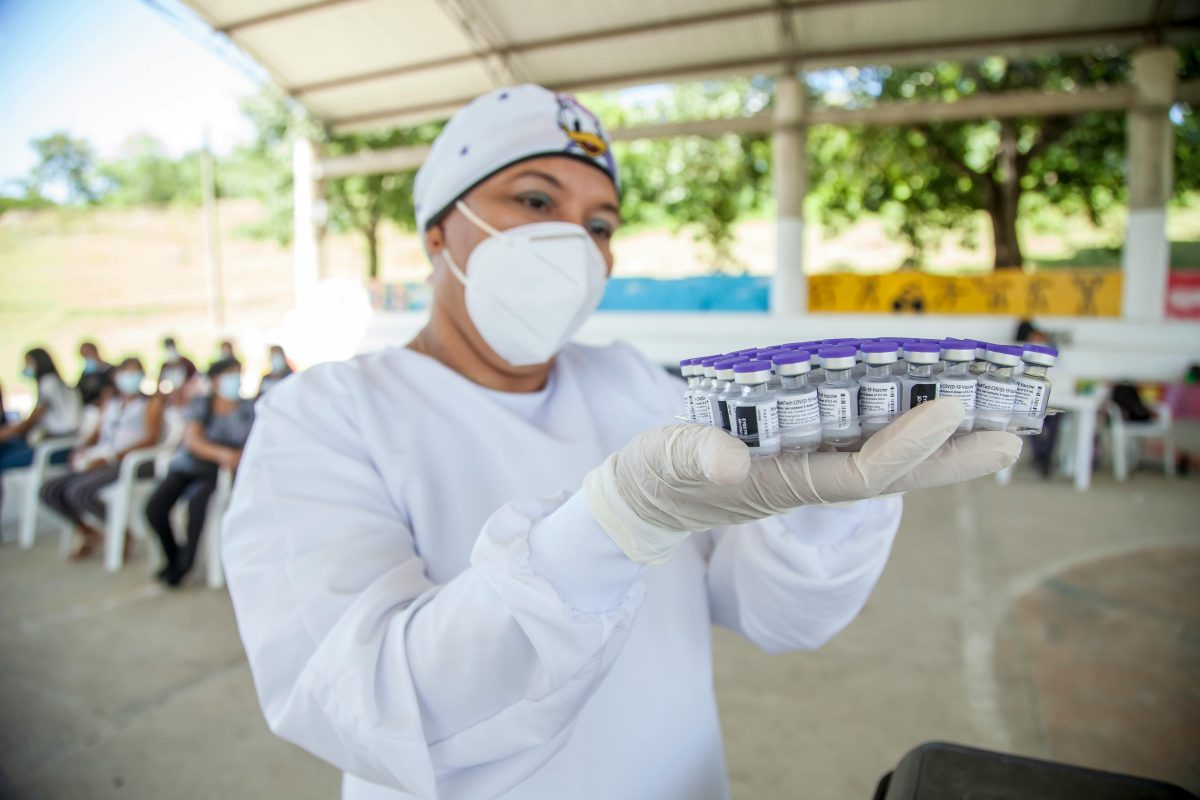
Community health programs tackle chronic disease and malnutrition despite limited resources and outdated systems. Identifying whether these initiatives reach target populations remains a constant challenge. Historically, proving service effectiveness, like prevention classes, depended on anecdotal feedback or periodic surveys rather than precise, real-time data.
Today, data tracking is transforming this approach. By incorporating real-time data collection into everyday operations, from clinic visits to social determinants, administrators gain clearer insights. This visibility enables more informed decisions, improved targeting, and stronger, evidence-based community health outcomes.
In this article, we will explore how leveraging data measures success and actively creates it, enabling programs to adapt instantly to communities.
Analyzing Data’s Impact on Community Health
A study by Springer Nature highlights that vast healthcare data offers valuable insights to enhance patient care, scheduling, and diagnostics. However, extracting meaningful patterns requires intensive analysis. Integrating big data analytics into community health programs improves outcomes, optimizes resource use, and supports more informed, data-driven decision-making.
Data is the foundation for designing and improving community health programs. It offers insights into population needs, risks, and trends, enabling targeted interventions. By tracking service use, outcomes, and reach, teams assess effectiveness and refine strategies. It also supports smarter resource allocation by identifying high-impact areas and reducing inefficiencies.
Digitalizing Data for Efficient Case Management
Manual tracking and fragmented systems create major challenges for community health programs. Paper records, disconnected spreadsheets, and inconsistent reporting often cause errors, duplication, and delays. These inefficiencies limit performance visibility and make it harder for teams to coordinate care and effectively track patient progress.
Modern social care software centralizes data collection and case management within one integrated platform. It enables organizations to maintain accurate, real-time case records accessible to authorized team members. This approach improves workflow efficiency and significantly reduces administrative burden across community health programs.
Digital platforms support closed-loop referrals, tracking whether individuals receive necessary services. Enhanced features record every interaction and outcome consistently for better documentation. These tools also strengthen compliance and team coordination through standardized reporting and audit trails.
Community CareLink notes that software removes friction at the front door. Pre-filled fields and configurable forms shorten the time to service. When demand spikes, teams can quickly triage, route, and schedule follow-ups without losing continuity.
Identifying Gaps in Care and Service Delivery
Data tracking is essential for identifying gaps in community health programs. By analyzing service use, missed visits, and outcomes, organizations can spot underserved groups and weak areas. These insights support targeted improvements and strategy adjustments. Tracking demographic and geographic data also reveals disparities in access to care.
A Frontiers study highlights significant drop-offs across care delivery stages, especially in service enrollment and follow-up management. It points to limited process visibility and fragmented information flow as key causes. Stakeholder feedback also reveals weak coordination among providers, emphasizing the need for better data tracking to identify and close care gaps.
Improving Program Efficiency and Resource Allocation
Efficient resource allocation is the hallmark of a high-performing community health program. By utilizing data tracking, administrators can move away from static budgeting and toward dynamic, needs-based spending. This level of visibility ensures that staffing and funds are concentrated in areas with the highest potential for impact, minimizing waste and redundancy.
Research from Telehealth and Medicine Today shows that AI-enabled virtual observation improves efficiency and resource allocation. Monitoring multiple high-risk patients simultaneously reduces strain on staff. Hospitals report improved safety, with one achieving a 15% reduction in falls and over $2 million in projected annual cost savings.
Enhancing Care Coordination and Communication
A study by the National Institute of Health highlights challenges in care coordination across health systems. It found that 32.6% of individuals reported experiencing at least one gap in coordination. This underscores the importance of data tracking to improve communication, reduce fragmentation, and ensure more seamless, connected care delivery.
Effective care coordination depends on timely, accurate information sharing across teams. Data tracking systems provide real-time updates on patient status, referrals, and treatment plans, keeping stakeholders aligned. This reduces duplication and miscommunication, while integrated data and shared platforms promote collaboration and improve overall service delivery and patient experience.
Measuring Outcomes and Demonstrating Impact
Measuring outcomes is essential to determine if community health programs achieve their goals. Data tracking helps monitor key performance indicators effectively. These include patient recovery rates, service utilization, and long-term health improvements, providing clear insights that support evaluation, accountability, and continuous program improvement over time.
Measuring outcomes is essential to determine whether community health programs achieve their goals. Data tracking helps monitor key performance indicators effectively. These include recovery rates, service utilization, and long-term improvements, offering clear insights that support evaluation, accountability, and continuous program improvement over time.
Frequently Asked Questions
How can organizations ensure data privacy and security in community health programs?
Organizations ensure data privacy by implementing strong encryption and secure access controls. Regular audits, staff training, and anonymizing sensitive information help prevent breaches while maintaining confidentiality. These practices help build community trust through clear governance and compliance.
How can organizations train staff to use data tracking tools effectively?
Organizations can train staff through hands-on workshops and easy-to-follow user guides. Ongoing support and real-world practice build confidence, while feedback improves data adoption. Intuitive tools ensure accurate entry and better analysis, leading to more informed decision-making across programs.
How does standardizing data enhance the precision of community health reporting?
Data standardization ensures consistency in how information is collected and analyzed across programs. It reduces errors and duplication, making reports more reliable. Standard formats and definitions also enable easier data comparison, supporting better decision-making and enhancing transparency in community health reporting.
Driving Stronger Community Outcomes Through Data
Data tracking has become an essential pillar in improving the effectiveness of community health programs. By enabling better decision-making, identifying service gaps, and optimizing resource use, it empowers organizations to deliver targeted interventions. Digital tools further streamline operations, strengthen accountability, and support measurable outcomes.
As health challenges evolve, adopting data-driven approaches ensures programs remain responsive and sustainable. Ultimately, prioritizing accurate data collection and analysis helps organizations improve outcomes, build trust, and create lasting change within the communities they serve.
Read more: Community Safety Tips Everyone Should Know To Stay Injury-Free
Read more: 7 Best Water Treatment Solutions for Clean Drinking Water
Read more: Modern Healthcare Platform for Smarter Patient Management